

Overview
Today brought a mix of hard engineering gains and ambitious AI launches. Cloudflare cut 100 TB from its DNS cache footprint, Tencent opened access to a huge long-context model, and strong NVIDIA and Salesforce results challenged doubts about AI spending. Elsewhere, Cursor made app deployment easier, Anthropic offered Claude to scientists, and Google added new tools for video and interactive ebooks.
The big picture
Cloudflare saves 100 TB with five Rust changes
At Cloudflare’s scale, tiny inefficiencies become expensive. Its DNS resolver handles 250 billion cache entries, meaning a single unnecessary byte across every entry consumes 250 GB of memory.
Five changes to its Rust data structures cut each entry from 953 bytes to 420 bytes, freeing 100 TB across the fleet. Fewer allocations also made inserts 43 per cent faster and lookups 19 per cent faster. It is a useful reminder that memory work can improve speed rather than compromise it.


Tencent opens Hy4 with a million-token context window
Tencent’s Hy4 preview is a mixture-of-experts model with 770 billion total parameters, 49 billion active at a time, and support for a million tokens of context. The company is positioning it for coding, research, office documents and longer multi-step tasks.
The model is available through Hugging Face and GitHub, alongside an API. Its size will draw attention, but the more useful test will be how reliably it handles long projects without losing track of earlier instructions.


NVIDIA and Salesforce put AI spending doubts under pressure
NVIDIA reported quarterly revenue of $96.2 billion, up 106 per cent from a year earlier, with roughly $60 billion in net income and a 75 per cent gross margin. The company also issued guidance well above market expectations while remaining constrained by chip supply.
Salesforce added another data point. Bookings grew at their fastest pace in four years, Agentforce annual recurring revenue rose by more than 210 per cent, and the company introduced Claudeforce with Anthropic. These figures do not settle the argument over excess infrastructure spending, but they show that demand remains substantial.

Google gives developers finer control over generated video
Gemini Omni 1.1 Flash adds several practical controls for video generation and editing. Developers can extend scenes while retaining characters and lighting, set the opening and closing frames of a shot, provide reference clips and upscale drafts to 4K.
The model is arriving in Google AI Studio, Flow and Gemini Enterprise Agent Platform. Scene extension is also coming to paying Gemini subscribers, making this as much a product update as a model release.


X says it removed a 200,000-account Chinese bot farm
X says it uncovered and suspended roughly 200,000 inauthentic accounts linked to a Chinese operation. Hundreds reportedly focused on US arguments about AI data centres, electricity prices and pressure on the power grid, sometimes using AI-generated cartoons.
The campaign resembles activity documented by OpenAI earlier this year. It also shows why the debate around data-centre construction is becoming a target for foreign influence operations, particularly as energy costs become politically sensitive.

Cursor turns a prompt into a deployed web app
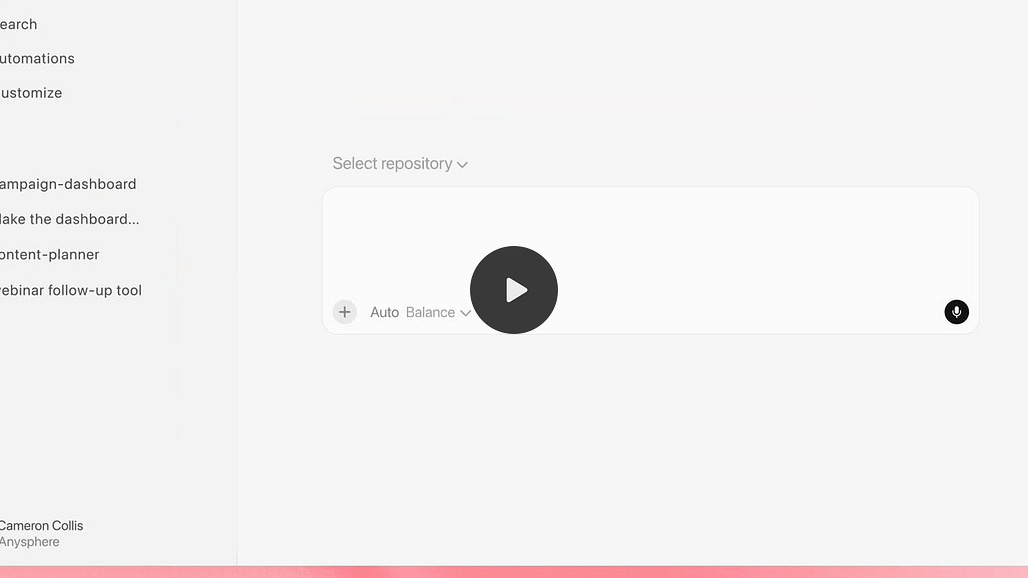
Cursor can now create a web app from scratch, save its code in an Origin repository and deploy it directly to Vercel. The demonstration moves from a plain-language request to a live portfolio site without leaving the editor.
The release fits Cursor’s broader story. The company began as a VS Code fork in 2023, then repeatedly rebuilt its product as coding agents improved. Its advantage has come less from owning foundation models and more from moving quickly on the editor, workflow and developer experience.

Anthropic offers Claude access to 10,000 scientists
Anthropic is opening its Claude Team plan to an initial 10,000 scientists working at academic and non-profit institutions. Standard seats are free for a year, while premium seats with five times the usage allowance cost $15 per month.
Principal investigators can enrol and add members of their research teams. The programme builds on Claude Science and Anthropic’s research funding work, with a focus on data analysis, scientific writing and other routine parts of laboratory work.


Gemini Notebook turns purchased ebooks into interactive sources
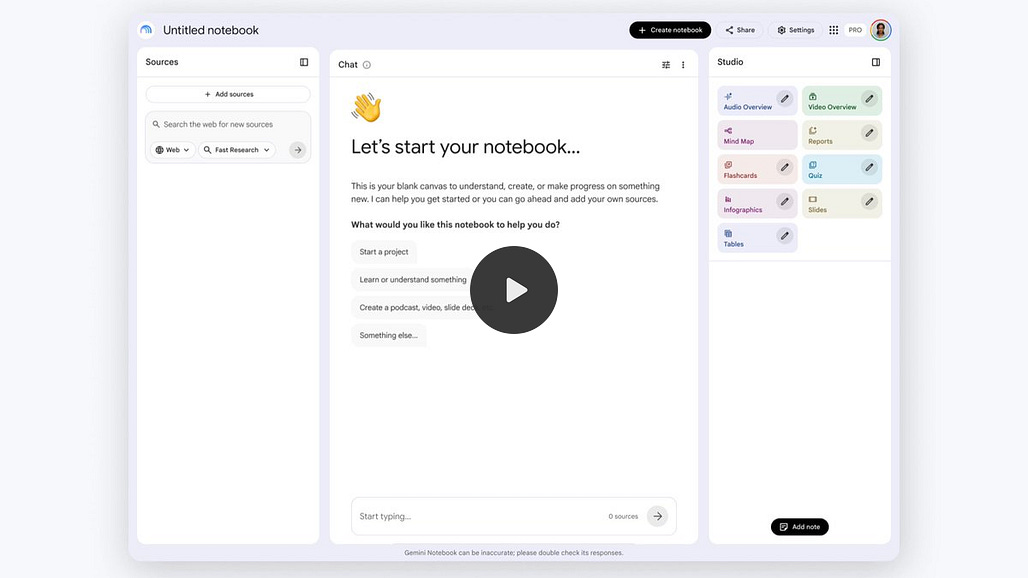
Google’s new Expert Intelligence feature lets Gemini Notebook use eligible Google Play ebooks as trusted source material. Readers can question a book, combine it with other documents and use its ideas while preparing reports or plans.
The initial release covers ebooks, with textbooks, business research and third-party subscriptions due later. The appeal is straightforward: instead of asking a general chatbot about an author’s work, readers can ground the conversation in the book itself.

Tesla demonstrates FSD yielding to a cyclist
Tesla shared a short example of FSD Supervised waiting for a cyclist before making a right turn. The car identifies the cyclist approaching through the bike lane, slows down and remains in place until the route is clear.
It is a controlled demonstration rather than broad safety evidence, but it highlights a key challenge for assisted driving systems: recognising vulnerable road users early and behaving predictably around them.


Pikachu visits Apple Park as Apple talks gaming
Tim Cook hosted the Pokémon team at Apple Park for a meeting about gaming and an introduction to John Ternus. Pikachu supplied the lighter part of the visit, wandering through the campus and ignoring a polite request to stay away from the pond.
The playful video carried a business undertone. Pokémon already has a strong presence across Apple devices, and the meeting points to continued interest in games as Apple prepares for its next chapter under new leadership.