
Overview
AI tools became more open to modification, more proactive and more closely tied to real production work. Claude Code gained community-built mods, Grok began offering help before being asked, and ComfyUI opened its workflow agent to everyone. Elsewhere, Microsoft set a strong speech recognition benchmark, filmmakers explored private video models, and Crew-13 began its journey to the International Space Station.
The big picture
Claude Code opens the door to mods
Claude Code can now be changed with lightweight TypeScript mods covering behaviour, interface elements and new features. Early examples include a context window weather display, previews for risky terminal commands and a tool for replaying file edits step by step.
Mods are distributed through plugins and installed from the CLI or desktop app. They have the same system access as Claude Code, so useful experimentation comes with a clear need to inspect what a mod does before installing it.


AI assistants start offering help before being asked
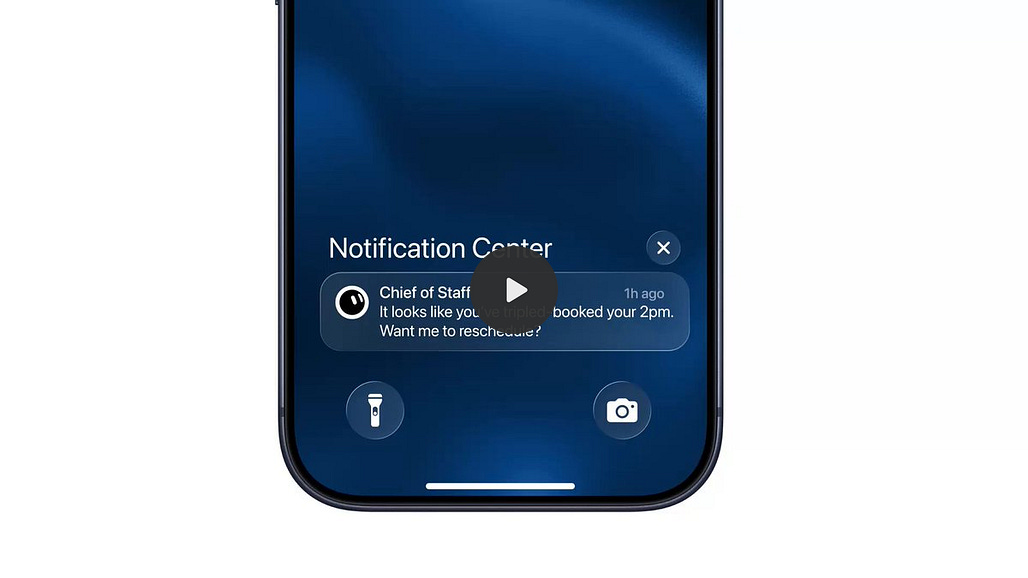
Grok Bot can now spot tasks it may be able to handle and suggest an action without waiting for a prompt. Its launch example catches a triple-booked calendar slot and offers to reschedule it, presenting the assistant more like a chief of staff than a chat window.
OpenDots takes a related idea in an open-source direction. It provides self-hosted, persistent AI coworkers with browser, terminal, file, messaging and voice access, while allowing developers to bring their own agent setup.

Comfy Agent takes on the node graph
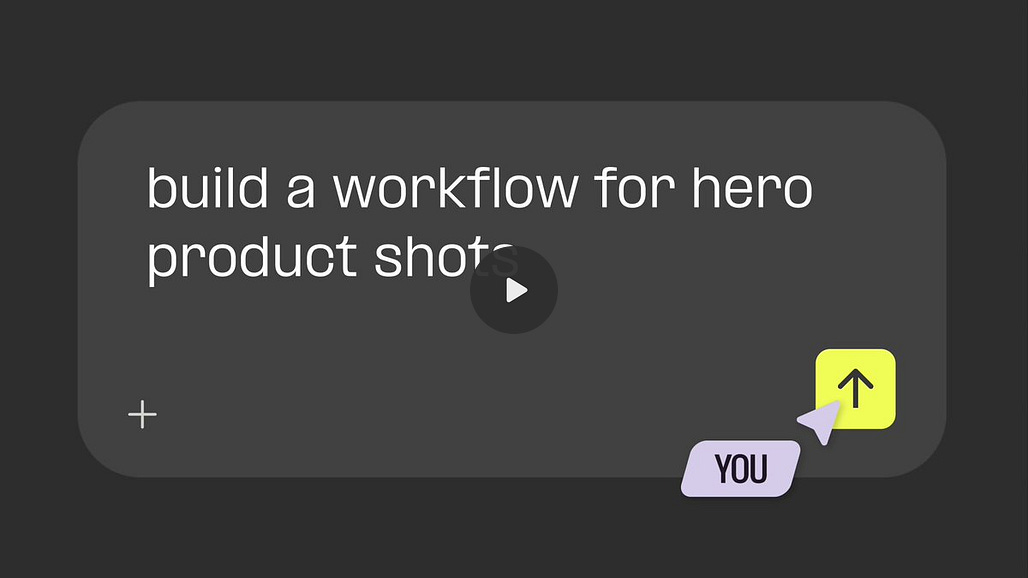
Comfy Agent is now available across Comfy Cloud. It can plan, build and repair ComfyUI workflows directly on the canvas, turning prompts and reference images into working node graphs while creators continue editing.
This tackles a familiar problem with ComfyUI: its flexibility is useful, but large graphs can become difficult to manage. A desktop version is expected in the coming weeks.

Agent-led app testing gets an open-source framework
Oskar Kwasniewski introduced e2e, an open-source testing framework for web, mobile and other apps. Tests can combine standard locators and assertions with agent actions based on broader goals, giving developers a choice between predictable steps and AI judgement.
It runs locally or in CI, supports outside agents and infrastructure, and starts with a simple npx e2e init command. The project could prove useful for testing journeys that are awkward to capture through fixed scripts alone.


Microsoft pushes streaming transcription towards near-instant results
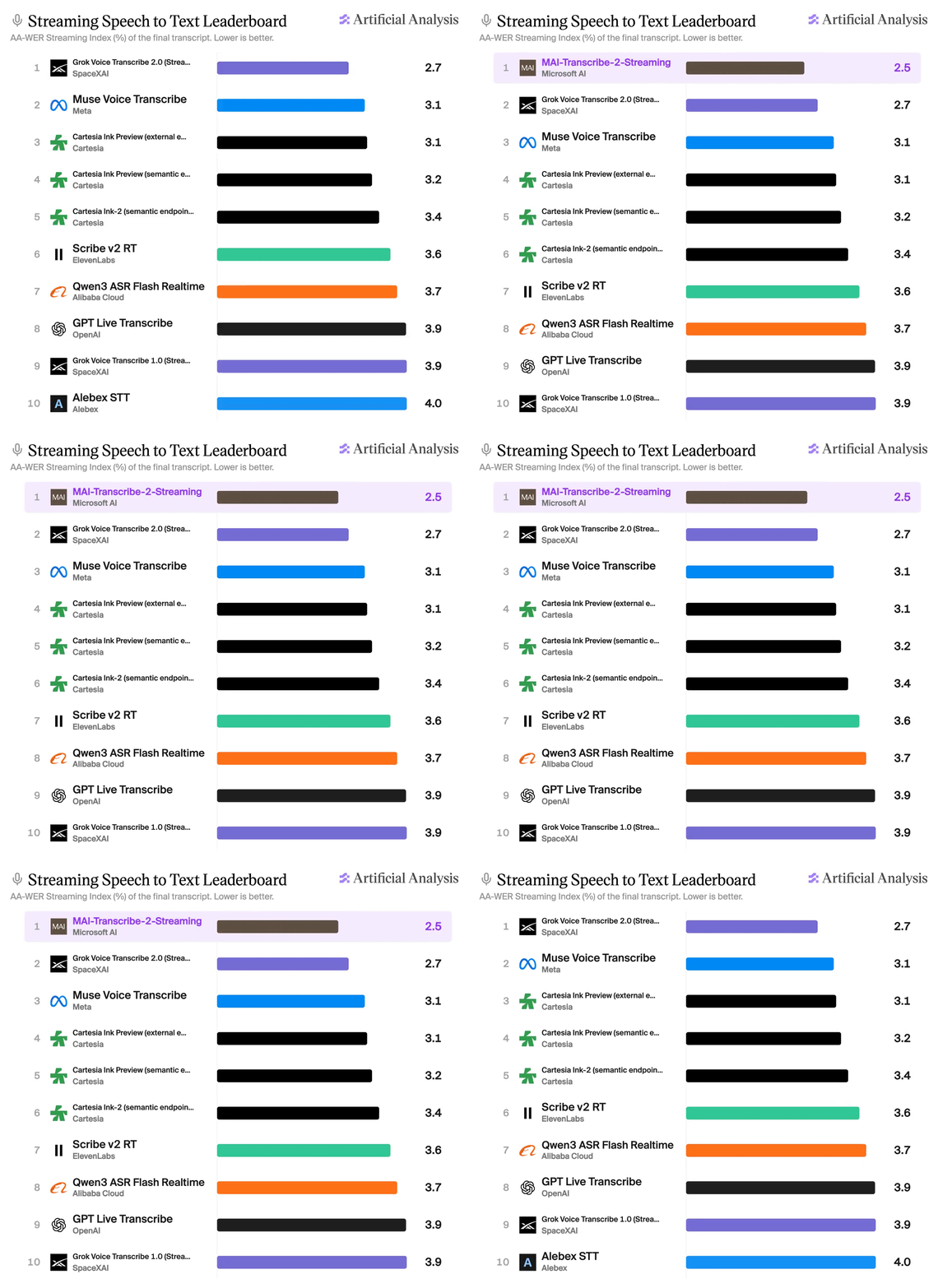
Microsoft AI’s MAI-Transcribe-2-Streaming reached the top of Artificial Analysis’s streaming speech benchmarks. It recorded a 2.5 per cent word error rate, with the final transcript arriving 0.13 seconds after speech ended.
The model also performed strongly on first partial transcripts, placing it in the low-error, low-latency corner among 38 tested systems. That performance costs $0.54 per hour for streaming transcription, while the non-streaming version is priced at $0.10 per hour.

Film AI turns towards controlled sets and private models
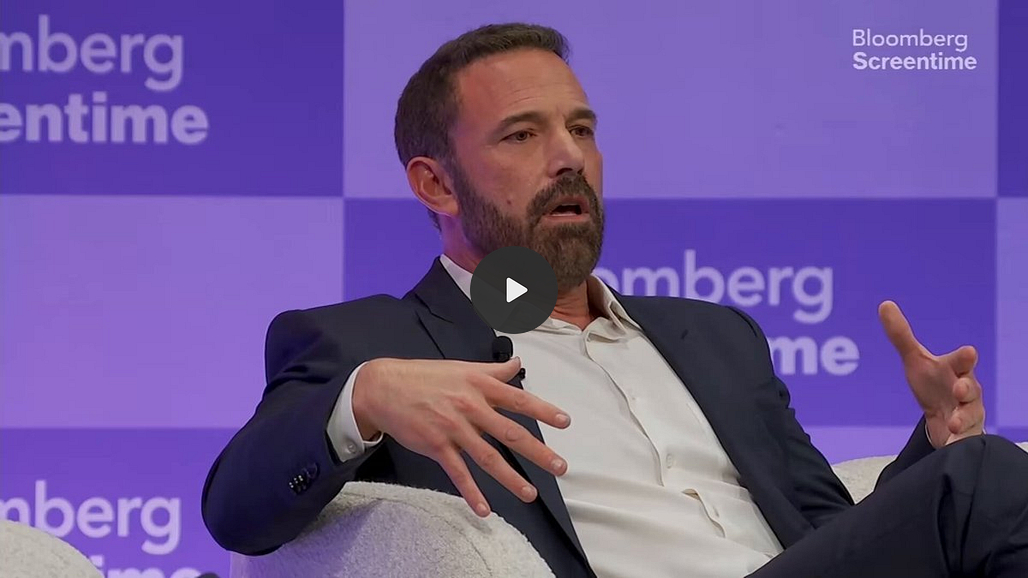
Rohan Paul shared Ben Affleck discussing a production model built around proprietary footage. The approach trains selected parts of an open video model using material captured on controlled stages, with the aim of meeting film standards without handing project data to a public service.
LTX.io approached the same production question from another angle with Layout to Render. Its beta converts rough 3D blocking into finished scenes while preserving the original camera position and composition, giving VFX teams tighter control than prompt-only generation.

Tavus tests whether callers can spot an AI on video
Tavus says its Griffin model was mistaken for a person by 48 per cent of participants during live video calls. The system can see, hear and respond in real time, including during overlapping conversation.
The result is striking, though describing it as passing “the Turing test” is broader than the experiment can establish. It does show how quickly synthetic video callers are becoming harder to identify during short interactions.
https://x.com/cgtwts/status/2105716952950175603
Model makers compete on capacity, cost and usage limits
Sam Altman said GPT-6.1 Sol became OpenAI’s fastest-growing model to date, creating performance problems under load that the company says have now improved. Its lower price and 1.05 million-token context window appear to have driven rapid adoption.
Anthropic, meanwhile, is offering a temporary 50 per cent usage reduction for follow-up work in Claude conversations that begin with a design, deck or document. The offer runs for two weeks and promotes Sonnet 5.5’s slide and visual creation tools.


Crew-13 heads for the International Space Station
Crew-13 lifted off from Cape Canaveral aboard a Falcon 9, carrying four astronauts towards the International Space Station. The mission is the thirteenth operational crew flight under NASA’s Commercial Crew Programme and uses a previously flown Crew Dragon capsule.
NASA’s post-launch broadcast captured the now-familiar contrast of modern spaceflight: the crew already hundreds of kilometres above Earth while mission leaders remained on the ground answering press questions.

Web crawlers become literal digital spiders
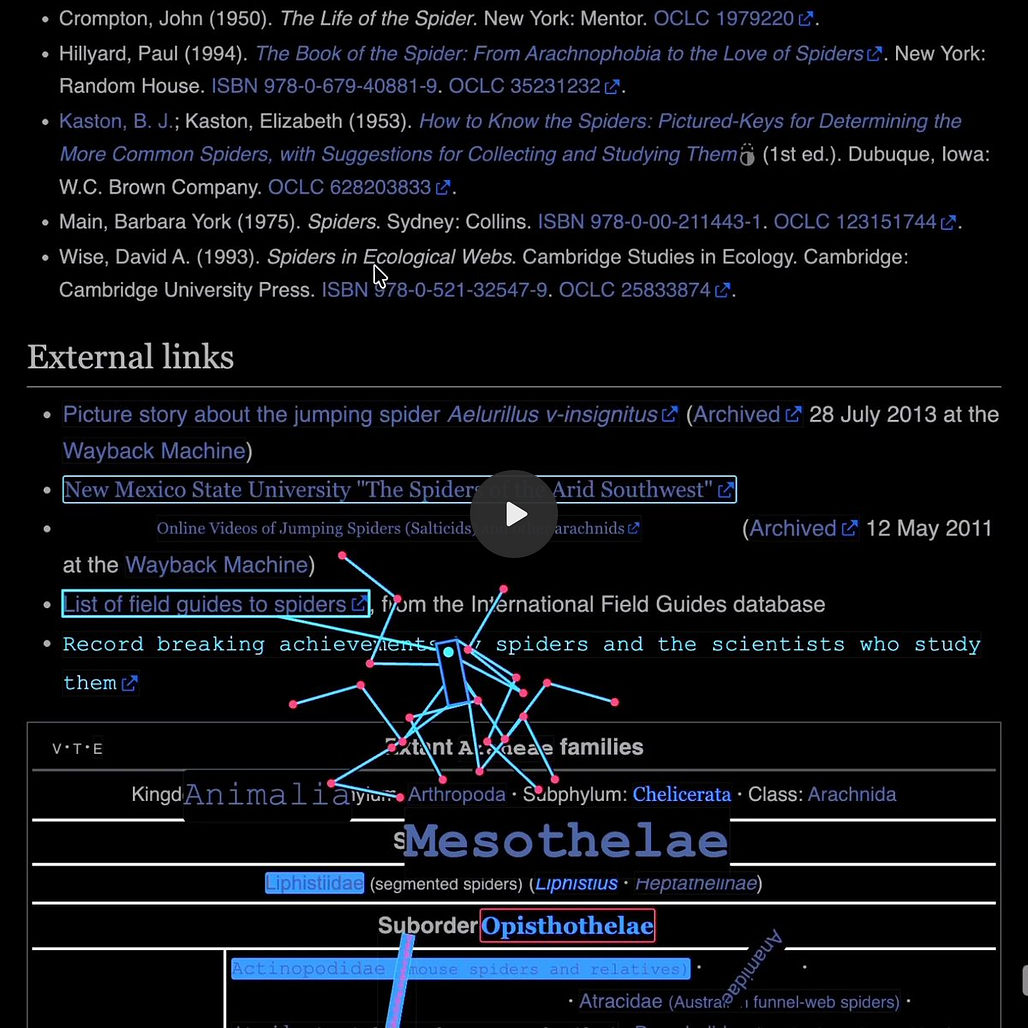
A small JavaScript and CSS experiment from @rybinfx became the day’s standout creative coding post. Glowing nodes crawl across academic references, connecting citations and identifiers like spiders building a web through bibliographic text.
The concept is simple, but the motion and visual joke make it hard to stop watching. It is a neat reminder that browser code can still produce memorable work without a large product wrapped around it.