
Overview
Today’s feed sat at the messy intersection of AI progress and human taste. On one side, faster models, better vision, mobile agents, and even small open-source setups doing real work on consumer GPUs. On the other, the bits that do not scale, design judgement, trust, and the boring reality of maintaining software. Sprinkle in platform incentives, org design lessons from the Twitter era, and a reminder that tax policy still moves people faster than any product roadmap.
The big picture
The quiet theme running through everything is where the value lands. Some posts argue consumers will capture most of the upside as prices fall and capabilities spread. Others point out the hidden cost, support, maintenance, moderation, and the talent bottlenecks that still decide whether a product feels good to use. AI is speeding up output, but it is also raising the bar on taste, credibility, and accountability.
Amazon drops Chime, while startups rebuild Jira for fun
@GergelyOrosz put a finger on an awkward contradiction: Amazon is willing to retire Chime, a Zoom alternative with paying customers, yet early-stage teams are happily rebuilding Jira-like systems with none. The question is not whether AI can crank out features, it is whether anyone wants to carry the maintenance burden once the novelty wears off.
It also hints at two different instincts. Big companies cut anything that is not core, while startups will tolerate future headaches if it buys speed now. The next year or two should make it obvious which camp misread the economics.


Lean orgs, fewer managers, and the Twitter layoff shadow
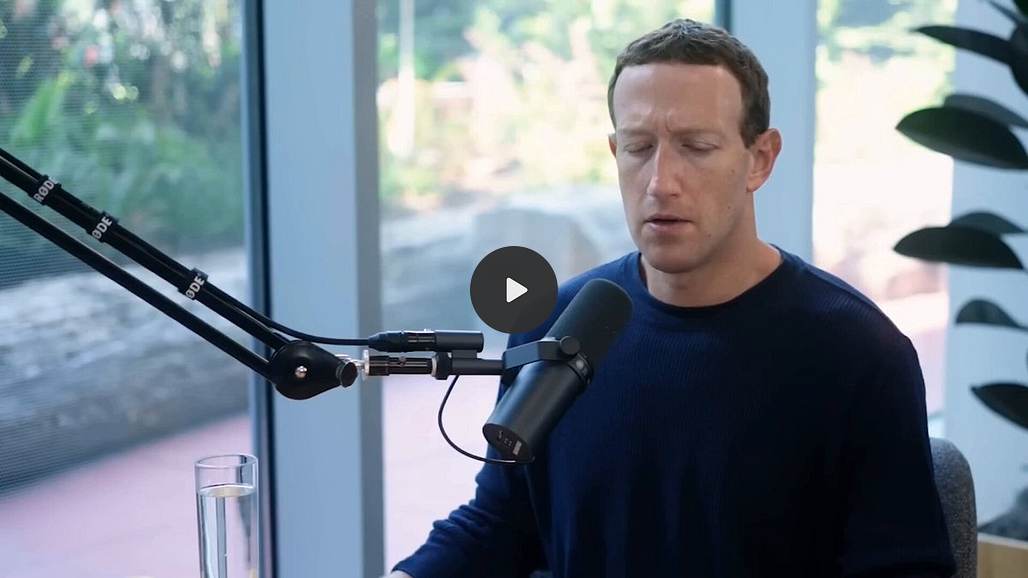
A resurfaced clip shared by @StartupArchive_ shows Mark Zuckerberg giving measured credit to Elon Musk’s post-Twitter restructuring, especially the push towards flatter organisations and tighter links between engineers and leadership. Even if people disagree on tone and tactics, the idea stuck, and plenty of firms copied the blueprint during the 2023 reset.
It is a reminder that “how we organise” is still a performance lever, even in a world obsessed with models and tooling.

Great designers are the bottleneck again
@garrytan’s point was blunt: great designers have become scarce. As building gets faster, the differentiator slides towards taste, product judgement, and the craft of making something coherent instead of merely functional.
The subtext is uncomfortable for founders who grew up believing engineering throughput wins. If execution is cheaper, taste gets pricier, and hiring turns into a relationship game rather than a job board game.

LEGO’s calm, high-output workday looks like a different planet
@TrungTPhan shared a day-in-the-life video of a LEGO designer in Denmark, and it is equal parts charming and quietly provocative. Snowy bike commute, gym on campus, focused work, meetings, prototyping, and then leaving mid-afternoon like that is normal.
It lands because it challenges the default tech narrative that creativity demands frantic hours. LEGO seems to bet on sustainable pace, and the results speak for themselves.


AI alarmism, misquotes, and the cost of sloppy summaries
@emollick called out a viral thread that framed Anthropic’s reward-hacking research as researchers saying their model was “evil”, a word that was not even in the paper. The frustration here is not about debate, it is about people arguing from screenshots of someone else’s interpretation.
If AI safety conversation is going to stay useful, it needs a higher bar than ragebait paraphrasing. Otherwise, we end up optimising for attention and training the public to distrust everything.


X adds cash incentives against undisclosed AI war videos
@nikitabier announced an extra $335,000 in creator payouts, funded by money withheld from accounts penalised for undisclosed AI-generated war footage and posts hit by Community Notes deductions. The approach is simple: make the rules economic, not just moral.
It is also a sign of where moderation is heading, not only removal, but revenue consequences, and a system that tries to steer behaviour without pretending perfect enforcement is possible.


Perplexity pushes AI agents onto the phone
@AravSrinivas said Perplexity’s “Computer” is now on iOS for all users, with work starting on mobile and syncing across devices. The practical implication is that agents are trying to become a daily habit, not a novelty you open on a laptop when you remember.
This is the race now: not just model quality, but where the agent lives, how it fits into your day, and whether it can earn trust over repeated tasks.


GPT-5.4 benchmark hype meets the “does this mean anything?” crowd
@iruletheworldmo posted an IQ-style benchmark chart claiming a jump for GPT-5.4, and the replies did what they always do, half celebration, half scepticism. People like feeling progress, but they also know public tests can be gamed, leaked, or trained on.
The more interesting part is not the number, it is the widening gap between “it feels smarter” and “we can measure it cleanly”.


OpenAI patches vision, while users keep asking for old favourites
@OpenAIDevs announced a bug fix to GPT-5.4’s image encoder with no action required. Technically routine, socially revealing: in the replies, you can feel how product updates coexist with model nostalgia, especially from people who miss GPT-4o.
In 2026, shipping improvements is table stakes. Managing attachment to tools, and the expectations that come with them, is part of the job too.


Texas relocations and the unglamorous force of tax timing
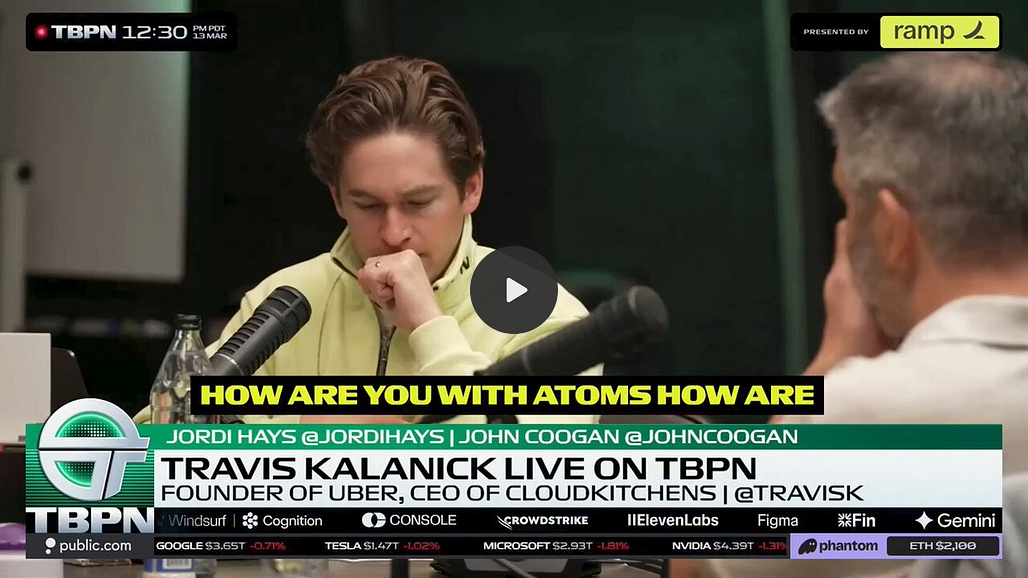
@tbpn shared Travis Kalanick saying he moved from California to Texas, with the date chosen to land before a proposed wealth tax window. The quote is funny, but the pattern is not new: policy changes can trigger fast, personal decisions, especially at the top end of the capital stack.
Whatever you think of it, this is a reminder that geography, taxes, and regulation still shape tech’s map, even as the work itself becomes more portable.