



Overview
Today’s posts had a common thread: systems we thought were settled are being quietly rewritten. AI is creeping into peer review, hiring, games, and developer tools, while politics and public money stories remind you how quickly rules, incentives, and loopholes can reshape outcomes. Also, a small moment of collective awe for the machinery that makes modern chips possible.
The big picture
Across research, work, and media, the pattern is the same: once an automated system becomes “good enough”, it starts setting the standards for everyone else, whether or not we have agreed to that bargain. The uncomfortable bit is that the advantages often go to whoever matches the system’s preferences, not whoever is best. That leaves institutions playing catch-up, and the rest of us trying to spot where the incentives have quietly changed.
AI agents are starting to look like reproducibility auditors
@emollick argues academia still has not clocked how far agent tools have come: able to reconstruct complex results using just the methods section and data, even without original code. The sting is his claim that when things do not line up, the problem is often the paper, not the model.
If that holds up, it is awkward for communities that ban AI in peer review while also complaining about weak replication culture. Agents will not fix incentives on their own, but they can make it harder to hide sloppy specification.


Hiring bots may be picking the resume that sounds like them
@heynavtoor shared research where an AI screening tool preferred the ChatGPT-rewritten resume 97.6% of the time, despite the underlying candidate being identical. Even more worrying, the models showed a kind of “self-preference”, favouring their own style over other models and over human writing.
If large firms lean on automated screening, the practical advice becomes grimly simple: write to the taste of the machine. That is a new sort of gatekeeping, and it is hard to see how candidates are meant to detect it, let alone challenge it.


Game studios are using GenAI, and keeping it quiet
@Pirat_Nation points to Tom Henderson confirming widespread generative AI use across major studios, naming Capcom and Ubisoft. The detail that sticks is the “small stuff” framing: background assets, bits of code, filler content, and early ideation.
The secrecy is the story as much as the tools. Studios seem to think players will accept AI only if it stays out of view, which hints at a coming argument about disclosure, credits, and what counts as craft.


Codex feedback, but make it ruthless and practical
@thsottiaux asked for the small “papercuts” in Codex, promising quick fixes. The replies read like a field guide to how people actually use these tools day to day: mode switching that breaks flow, reconnect loops, battery drain, fiddly per-thread settings, and little editing snags that compound over a week.
It is a reminder that AI coding tools do not live or die on benchmark charts. They live or die on whether they feel reliable when you are tired and trying to ship.

Semiconductors: the modern miracle we all take for granted
@AlecStapp’s post is pure amazement at chipmaking, and fair enough. The EUV supply chain stories are the sort that make you pause: machines the size of buses, shipped in dozens of containers, firing lasers at tin droplets to create extreme ultraviolet light, all to etch features you cannot see.
It is also a quiet geopolitics lesson. If you want to understand where power sits in AI, you keep ending up back at the unglamorous, precise, expensive bottlenecks.


A new analyst voice joins X, and Intel optimism comes with it
@zephyr_z9 flagged that Jeff Pu is now posting on X, with a nod to his reputation in supply chain and semis. The backdrop is a bullish update on Intel: target raised, earnings revised up, and a narrative moving from “turnaround” to “AI beneficiary”.
Whether you buy it or not, this is how market stories propagate now: a single analyst’s framing can become the daily shorthand for a whole company’s prospects.


Germany’s AfD hits a record poll number
@visegrad24 highlighted an INSA poll putting AfD at 28%, ahead of Germany’s conservatives and far ahead of SPD. Whatever your politics, that is a striking data point in a country that has treated the party as untouchable for coalitions at national level.
The wider European comparison matters too. These numbers are no longer “fringe”, they are competitive with governing or near-governing right-wing parties elsewhere.


PPP loans, but make the punchline a real company
@reddit_lies resurfaced an absurd-sounding PPP loan: “Dodge Hellcat LLC” receiving $13,300, forgiven. It is funny until you remember how many similar cases exist, and how hard it is to clean up once the money is gone and the paperwork says “compliant”.
The thread also points at the slow, grinding part of the story: referrals, collections, and the gap between flagging suspected fraud and actually pursuing it.


X’s monetisation gets a crackdown on repost mills
@ns123abc amplified a moment where Nikita Bier calls out an account accused of farming reposts for revenue share. The headline is not the dunk, it is the stated intention to move payouts away from copy-paste behaviour and towards original creators.
If the incentives change, the feed changes. The hard part is enforcement without collateral damage, because the line between “curation” and “theft” can get messy fast.


Latency is still the silent killer of product feel
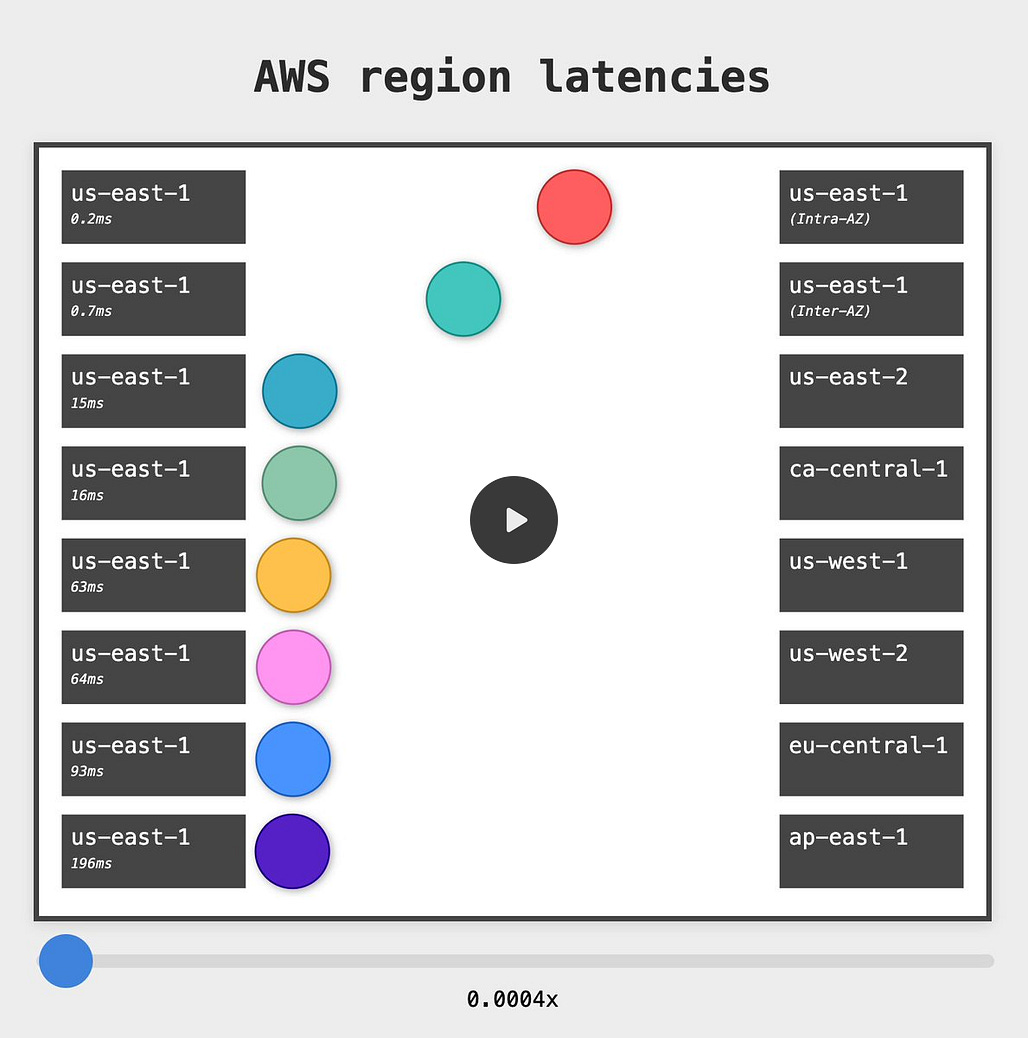
@BenjDicken’s post is a neat reminder that performance problems are often geography problems. The animated “latency balls” visual lands the point: cross-region database calls can turn a snappy app into a sluggish one, even if everything else is “cloud-native”.
It is not glamorous advice, but it is the kind that saves teams months of chasing phantom bugs that are really just physics and distance.


California’s “Billionaire Tax” fight is really about how rules can expand
@chamath focused on a section of a proposed California ballot measure that he says allows the legislature to broaden and adjust the tax without voter approval. Supporters frame it as a targeted one-time hit on a small group, critics focus on the mechanism and future scope.
Whatever your view on wealth taxes, the argument people respond to is process: who gets to change the definition later, how often, and with what oversight.


