


Overview
Today felt like a split-screen: on one side, a messy reminder that third-party app access can unravel serious infrastructure (hello, Vercel). On the other, optimism and oddity in equal measure, from reusable rockets hitting new milestones to AI spitting out neatly formatted physics papers, plus a stray moment of football chaos and a quote that stuck in people’s heads.
The big picture
The through-line was trust, who gets it, who loses it, and how fast it changes. Developers are staring down supply-chain risk in plain sight, platform choices are being re-judged, and even public conversations about medicine and geopolitics are wrestling with precision: what we can say, what we can prove, and what we should not overstate.
Vercel breach puts the modern web’s supply chain under a harsh light
Reports and Vercel’s own disclosure converged on a serious incident: unauthorised access to internal systems, claims of customer data and code for sale, and the kind of token exposure that makes people nervy for good reason. When a company sits under millions of deployments and also happens to steward a major framework, the blast radius is not hypothetical.
The detail that grabbed developers was the alleged access to NPM and GitHub tokens. Even without dramatic worst-case stories, the sensible response is boring and urgent: check logs, rotate secrets, and assume anything long-lived will bite you eventually.


A practical checklist for Google Workspace admins after the Vercel incident
Brendan Falk’s post spread fast because it is concrete: where to click in Admin Console, what to filter for, and the specific OAuth client ID tied to the compromised third-party tool. This is the kind of advice that turns panic-scrolling into action.
It is also a reminder that OAuth sprawl is real. The “we tried a tool once” app permissions list becomes a security liability unless someone treats it like a living inventory.


Pancreatic cancer hope, and a fight over the word “cure”
Noah Smith’s post hit a nerve by reaching for the big word, “cured”, on the back of promising mRNA vaccine trial results. The reaction underneath has been the more useful part: people in medicine pushing back on absolutist language while still making space for genuine progress.
The core tension is familiar: early results can be remarkable without being definitive, and public optimism can be both motivating and misleading. It is not about dampening hope, it is about keeping expectations anchored so trust survives the next round of data.


Why Iran’s “mosquito fleet” is harder than it looks
Jason’s question prompted a swarm of replies because it touches a real asymmetry problem. Small boats are cheap, fast, and hard to separate from civilian traffic, especially along a long coastline where they can hide, disperse, and reappear.
Even if the hardware exists to destroy them, the constraints are political and operational: identification, rules of engagement, escalation risks, and the uncomfortable maths of spending high-end munitions on replaceable targets.

SpaceX clocks Falcon landing number 600
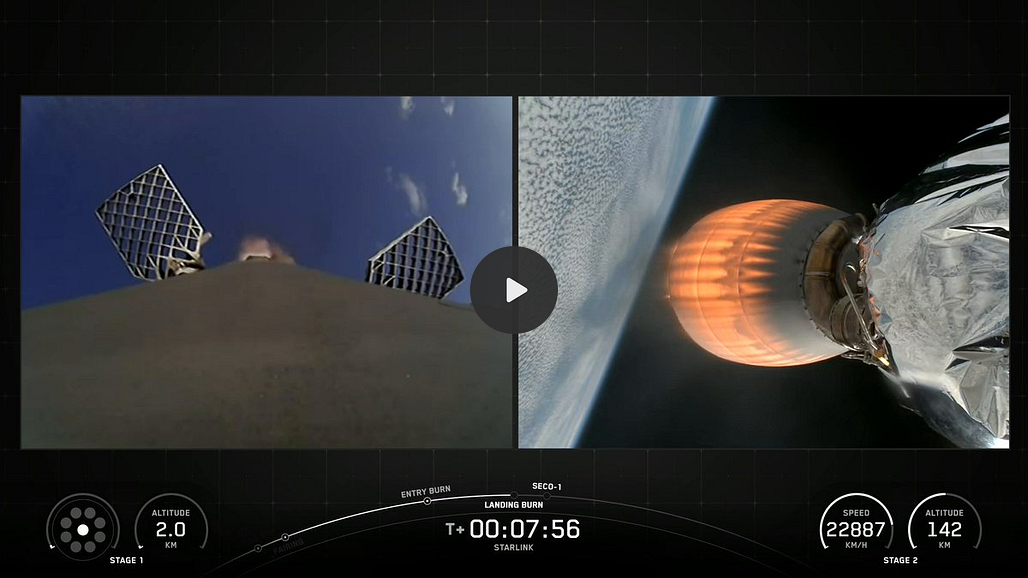
SpaceX marked the 600th successful Falcon booster landing, with footage that makes the feat look routine, which is the point. Reusability has moved from “can we do it?” to “can we do it again next week?”, and that quiet normality is the real milestone.
Whatever you think about the broader debate around launch providers, the operational competence on display is hard to ignore.

Grok writes a tidy general relativity paper, and the internet argues about what that means
NIK shared an example of Grok 4.3 producing a five-page LaTeX “academic paper” on general relativity, complete with equations, diagrams, and citations. People were impressed by the formatting and the speed, then immediately asked the correct follow-up: is it right?
The moment sums up where we are: these tools can draft, structure, and present with frightening competence. The remaining bottleneck is still judgement, checking, and knowing what questions to ask.


The Pope goes philosophical on simulation culture
Circe’s joke landed because it captured the vibe: a papal message warning about simulation weakening discernment sounded like a page torn from Baudrillard. People are hungry for language that describes the sense of living inside self-referential online loops.
Whether you buy the philosophy or not, it is striking to see the Vatican framing modern media habits as something that can bend our relationship with truth, not just distract us.


A Cambridge bike theft story becomes an accidental comedy about tech and real life
Alec Stapp resurfaced the anecdote about a computer scientist trying to explain binary search to police reviewing CCTV. It is funny, but it also stings because it shows how easily “smart” ideas die when they do not match the constraints of a system.
Sometimes the gap is not intelligence, it is incentives, process, and the friction of getting anything done when nobody owns the problem end-to-end.


A Cormac McCarthy line people keep replaying in their heads
Dylan O’Sullivan posted a quote that travelled because it is simple and unsettling: “You never know what worse luck your bad luck has saved you from.” It reads like a reframing tool for regret, bad breaks, and near misses.
It also explains the reply threads: once someone drops a line like that, everyone has a story it fits.


The Premier League title race mood swings, quantified
Polymarket Sports posted odds showing Arsenal’s title chances sliding while Man City surge back into favour. Odds are not destiny, but they are a tidy mirror for how quickly narratives change when results stack up.
If you wanted a snapshot of football fandom’s emotional weather, this was it: last month’s confidence, this month’s dread, and the banter in between.


