



Overview
Today had two clear threads: AI becoming less of a tool you “try” and more of a thing you run for days, and money behaving in strange new ways around that reality. In between, there was a reminder that cities can still surprise you from 30,000 feet, and that sport, faith, and a bit of internet humour still cut through the noise.
The big picture
The mood is equal parts acceleration and unease. People are watching AI agents take on longer, messier work, founders are being told to get their hands dirty, and the culture around frontier labs is being scrutinised. Meanwhile, speculative markets are turning rich narratives into percentages, and even a house sale is starting to look like a term sheet.
An AI agent runs for three days on open maths problems
Marc Andreessen’s dry “Interesting.” lands because the underlying story is genuinely odd in a good way: an AI agent kept working for nearly three days on research-grade differential geometry. The point is not that the machine “did the maths”, but that it can now sustain a long workflow and generate useful intermediate results if a skilled human keeps it pointed in the right direction.
It’s a glimpse of how research might change first: fewer heroic sprints, more steady compounding, with humans still doing the choosing, checking, and knowing what matters.


CEOs are being told to build with AI, not just approve it
Paul Graham’s take is blunt: a leader who never uses the tools will make worse calls than a leader who is too involved. The subtext is that “AI strategy” is now hard to fake, because the gaps show up in day-to-day product choices and what teams prioritise.
There’s also a cultural nudge here: if the CEO is not in the weeds, nobody else feels they have to be honest about what works and what is still clunky.

Tech hiring gets dragged back to the real world
A share of Steve Yegge’s writing sparked another round of frustration about technical interviews. The anecdote that sticks is the calibration exercise where Googlers voted against hiring their own anonymised packets at a startling rate. It is a neat way to show how hiring can become a game of risk avoidance rather than a search for ability.
The alternative being pushed again is simple: do more trials on real work, sooner, and stop pretending puzzle performance maps cleanly to job performance.


Frontier AI ambition meets a backlash about founder psychology
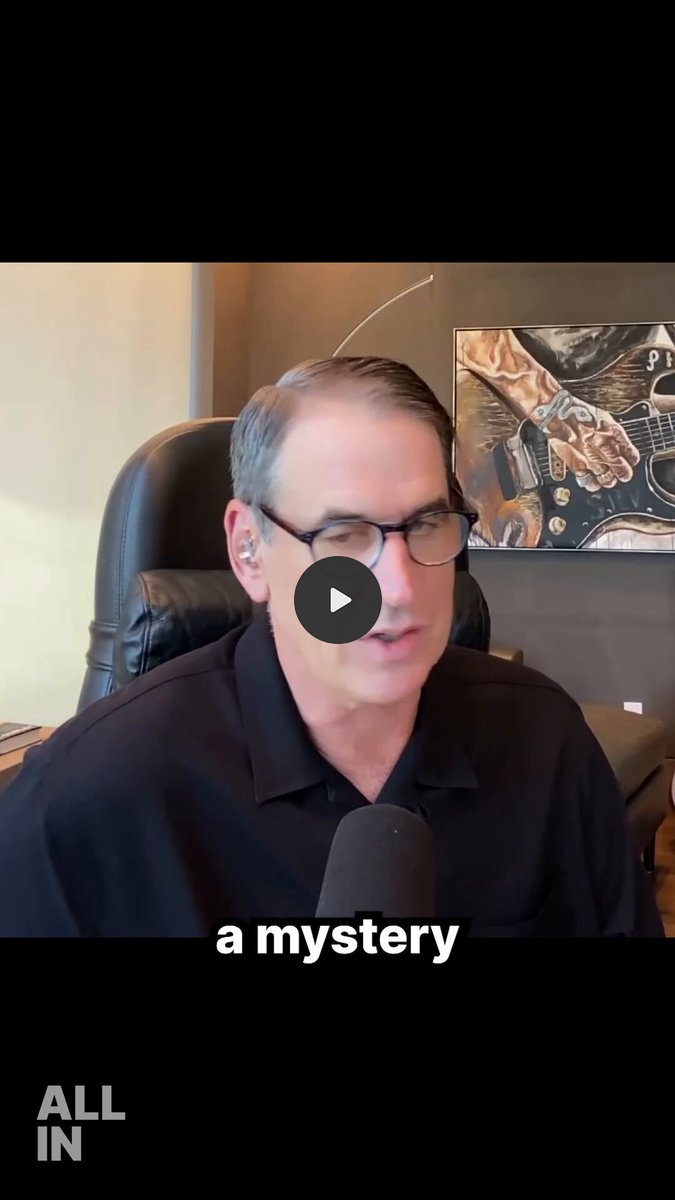
The All-In clip does not hold back. Bill Gurley frames Anthropic’s rhetoric as bordering on religious, with “midwifing a deity” language and a fear that the story being sold is not software, but a new authority deciding who gets what. Jason Calacanis piles on, calling it delusional.
Whether you agree or not, it shows a growing appetite to interrogate the narratives around safety, governance, and the self-image of the labs leading the field.

A San Francisco house listing that will take OpenAI or Anthropic stock
This is the sort of detail that tells you how local economies adapt: a $2.9m home, explicitly open to being paid for with pre-IPO AI equity. It reads like a joke until you remember how much wealth is sitting in illiquid shares, and how hard it is to turn that into a deposit without a liquidity event.
It also hints at what happens when “paper value” becomes socially accepted as spendable, at least within a small circle that all believes the same future is coming.


Prediction markets put a 90% chance on Musk hitting trillionaire status
Kalshi’s chart turns the Musk story into a number: 90% odds he becomes a trillionaire before 2027. The implied driver is simple, a SpaceX valuation moment, with everything else as supporting cast.
It is also a reminder that these markets are not just commentary, they are a way of packaging hype, timing risk, and crowd conviction into something people can trade.


New York’s tree cover looks like an outlier from the air
Patrick Collison noticed something that feels obvious once you see it: the dense area around New York is unusually green compared with other big cities. He backs it with data, then offers a plausible mix of climate, land history, and development patterns that let trees stay close to where people live.
It’s a small, calming counterpoint to the rest of the feed, proof that not every pattern is about tech, and that geography still gets a vote.


Motorcycle airbag suits look like sci-fi, until someone hits the deck
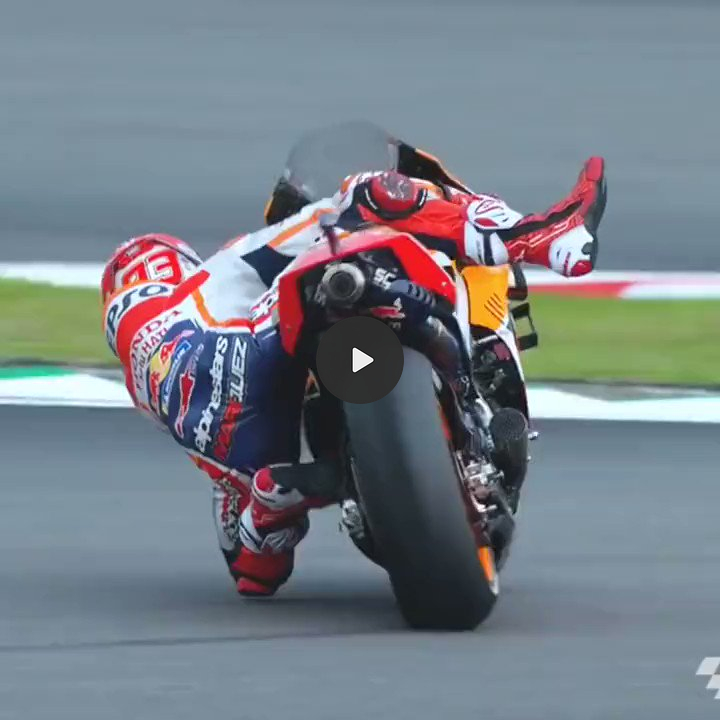
The clip is hard to watch, then oddly reassuring: the suit inflates in an instant as the rider goes down. It is a clean example of sensors and materials doing something practical, not speculative, and doing it at the only moment that matters.
The comments also keep it grounded, praising the protection while noting that crashes can still find the weak points. Safety kit can change the odds, not rewrite physics.

Apple leans into continuity, right down to the matching jackets
Mark Gurman’s joke about “dressing the same” captures the wider message Apple wants out there: nothing to see here, the handover is calm, planned, and controlled. Even the photo-op with Tim Cook and John Ternus looks choreographed to project steadiness.
If you are reading between the lines, it is the company saying the transition is a non-event, which is exactly what it wants investors and partners to believe.


Champions League final goes to penalties
Sometimes the internet is united by a single sentence. Fabrizio Romano’s alert, “penalties”, sums up the tension of a final that has run out of football and moved into nerve.
Whatever your team, it is the purest format of drama, and the feed did what it always does in moments like this: stopped arguing and watched.


