


Overview
Today’s thread had two clear lanes: AI tools growing up into week-long project runners inside the apps people already use, and the business side catching up fast, with pricing, margins, and public trust all under the spotlight. Elsewhere, robotics made a quiet leap in touch and durability, and SpaceX carried on with its steady march towards Flight 13.
The big picture
The centre of gravity is moving from “chat with a model” to “hand the model a goal and let it run”. That shows up in long autonomous builds, agent workflows inside Notion and Microsoft, and developer tooling that treats remote machines and simulators as normal. At the same time, the money conversation is getting louder, Meta wants token revenue, and Anthropic’s numbers suggest the AI lab era is entering a more grown-up phase, whether people like the trade-offs or not.
Humanoid hands get practical, not pretty
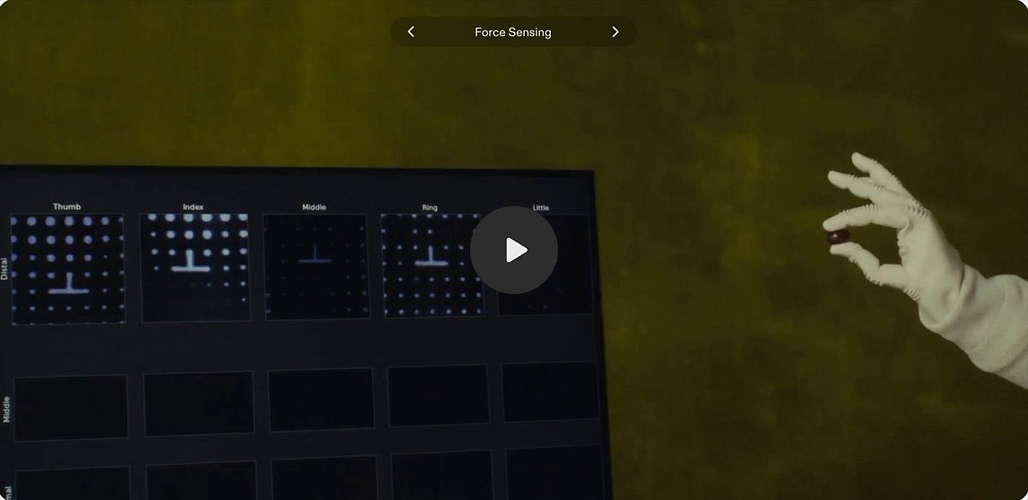
1X’s NEO hand demo is the kind of detail that matters in the real world: IP68 waterproofing, food-safe materials, and skin designed as a sensing surface rather than decoration. The headline is not “robot hand looks human”, it’s “robot hand can wash itself, grip safely, and feel slip”.
It is also a reminder that vision-only stacks hit a wall fast. Touch is not a nice-to-have when you’re handling small objects, cleaning, or working around people.


GPT-5.6 Sol: week-long autonomy starts to look normal
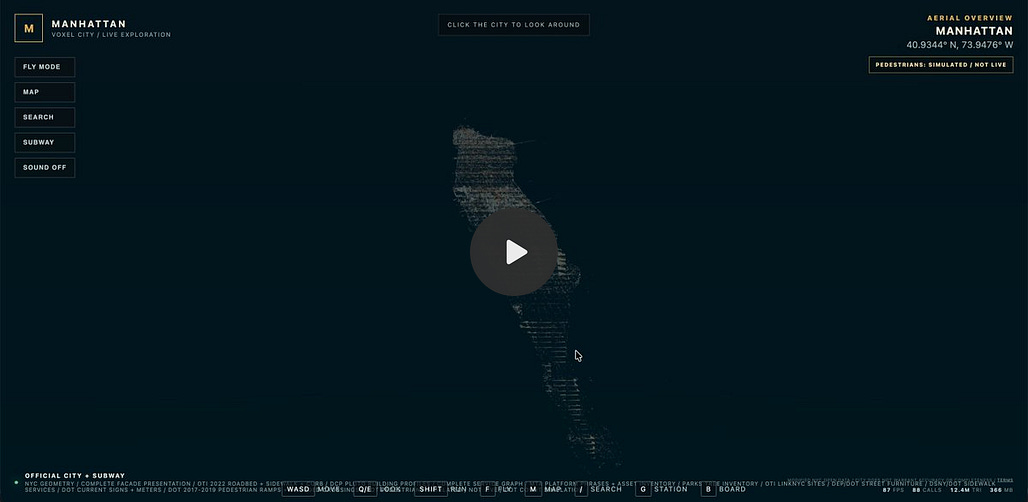
Matt Shumer’s voxel Manhattan clip lands because it is not a toy benchmark. A single prompt, then almost a week of autonomous work to produce a navigable, detailed 3D city. That sort of persistence is what turns “AI demo” into “AI teammate”, even if we’re still figuring out how to supervise it safely.
The more these runs become routine, the more the real questions become about tooling, checkpoints, and trust, not raw capability.

Two months inside GPT-5.6 Sol, with a blunt verdict
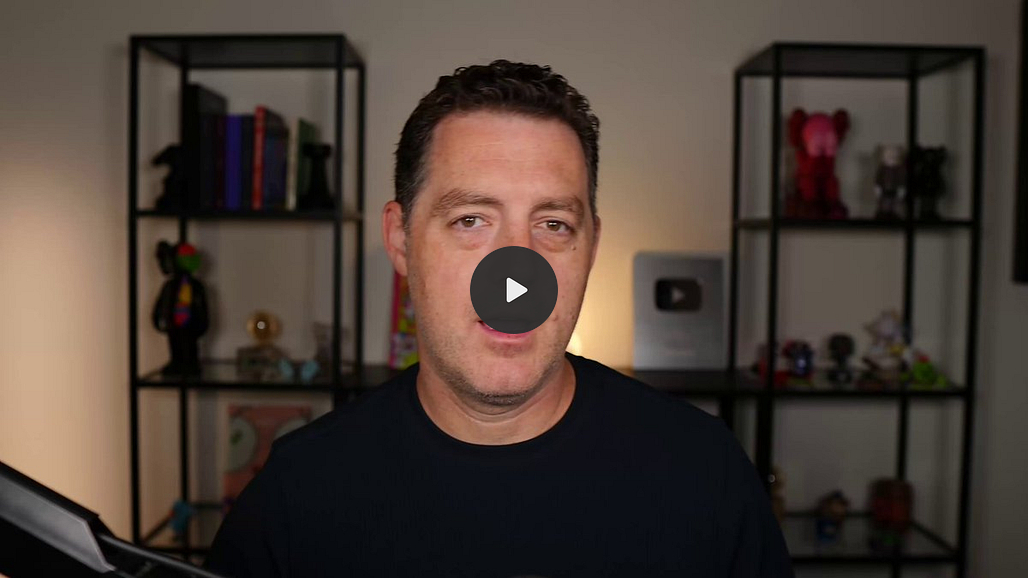
Matthew Berman’s review reads like the note you actually want from someone who has lived with a model at scale: reliability, speed, and consistent problem-solving over long projects. He frames GPT-5.6 as the seasoned pro, and Fable 5 as the higher-variance talent, which tracks with how teams tend to pick models for production work.
It also hints at a new split in “best model” discourse: the best for shipping is not always the most exciting in a screenshot.

Microsoft pushes GPT-5.6 into the daily workflow
Satya Nadella says GPT-5.6 with Work IQ is rolling into Copilot Chat, Microsoft 365, GitHub, and more. The key piece is grounding in workplace files and workflows, which is where agent talk either becomes useful or becomes noise.
If this works as advertised, it nudges “model choice” out of a separate AI app and into the tools people already open first thing in the morning.


Notion’s Ship OS turns product work into an agent pipeline
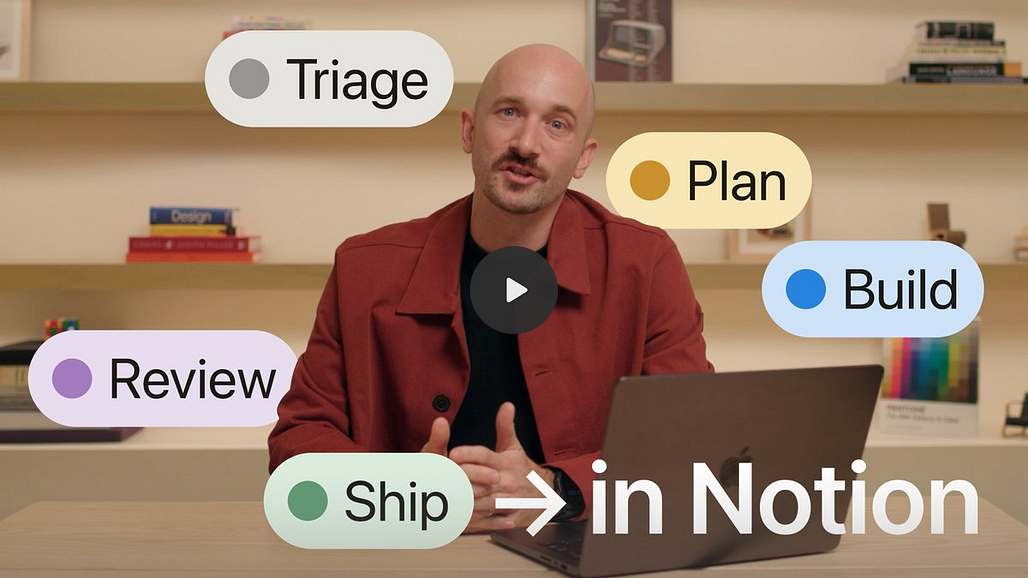
Notion is making a serious play to own the whole loop: feedback to tasks, tasks to specs, specs to PRs, all inside a Notion workspace. The pitch is clear: agents do triage, routing, and summarising, humans keep the judgement calls.
If teams adopt it, the real win is not “AI inside Notion”, it’s fewer dropped threads between customer notes, planning, and code.

Meta returns to X, and it is about charging developers
Alex Prompter points out the symbolism: Zuckerberg reappears on X after years away, and the message is pricing. Meta’s token rates signal a move from “we’ll give you models” to “we’ll run an API business”, with Muse Spark 1.1 pitched at developers who build agent workflows.
Open releases helped Meta catch up in mindshare. Charging is a different posture, and it will invite direct comparisons on quality, support, and reliability.


OpenAI’s Work agent and the Codex reassurance tour
Sam Altman is pushing the idea that “work” inside ChatGPT is now a proper agent product, and he is keen to say Codex is staying put. The subtext is the same across replies: people want new capability, but they do not want it at the cost of tools they already rely on.
This is the tension of the moment: shipping new modes while keeping the old ones feeling intact.


Anthropic asks for hard questions, and gets them
Claude’s “Hard Questions” launch is polished and, to be fair, the framing is strong: invite scrutiny, track answers publicly, treat concern as legitimate. The replies tell the other half of the story, where everyday friction like rate limits and guardrails shape trust more than any campaign.
It is a good reminder that credibility is built in product experience, not in cinema.


Anthropic profitability talk changes the tone of the AI race
Jukan’s recap of Dylan Patel’s podcast claims Anthropic has gone free-cash-flow positive, with strong margins and eye-watering ARR talk. Whether every number holds up under scrutiny, the direction matters: investors and competitors are now looking at AI labs as operating businesses, not research projects with a burn rate.
The hardware notes are telling too: memory prices up, CPUs creeping back into focus, and margin expectations bumping into commodity reality.

SpaceX rolls the Super Heavy booster to the pad for Flight 13 tests
Amid all the AI noise, SpaceX posted the sort of clip it does best: raw scale and momentum. Super Heavy moving to the Starbase pad is not a promise, it’s a step, and the cadence is the story.
Starship development is still a grind of test, move, test again, but the machine keeps turning.


