



Overview
Today had three clear threads running through it: AI products getting packaged into everyday workflows (NotebookLM videos, faster web-reading agents, new models landing inside coding tools), a fresh round of model price and performance arguments (Claude Sonnet 5 took the heat), and a reminder that policy and infrastructure still set the pace (export controls lifted, inference costs dropping, new chip competition).
The big picture
We’re watching AI move from “look what it can do” into “how quickly and cheaply can it do it, and can people actually ship with it?”. The updates today were less about magic demos and more about throughput, guardrails, and integration: models inside editors, agents that read the web faster, and video features designed for mobile habits. At the same time, the loudest conversations were about cost per task and who gets access when regulators step in.
NotebookLM turns your notes into 60-second vertical explainers
NotebookLM’s new Short Video Overviews feels like an admission of how people actually learn on their phones. Instead of fighting the short-form format, it uses it, turning dense source material into a quick visual summary you can skim, then revisit.
It’s rolling out to AI Ultra and Pro first, with free users promised soon, and it’s easy to see this becoming a standard “first pass” before reading anything long.


TabFM: a foundation model aimed at tables, not text
Google Research is making a serious pitch that tabular data deserves its own foundation model. TabFM is framed as zero-shot for classification and regression on unseen tables, using a single forward pass rather than per-dataset training rituals.
If it holds up in messy, real company data (not just benchmarks), it could change how people think about the default “XGBoost plus tuning” playbook, and it raises the bar for what “general” ML means outside language.


Google ships two generative media models, with pricing front and centre
Google announced Nano Banana 2 Lite for images and Gemini Omni Flash for multimodal creation, and the headline is cost-performance. The positioning is clear: faster output, lower price, and decent handling of tricky bits like text rendering and video edits by instruction.
It also hints at where this is going, not just single outputs, but pipelines that turn a product photo into a short video without a whole production chain.


Hermes Agent cuts the cost of “reading the web”
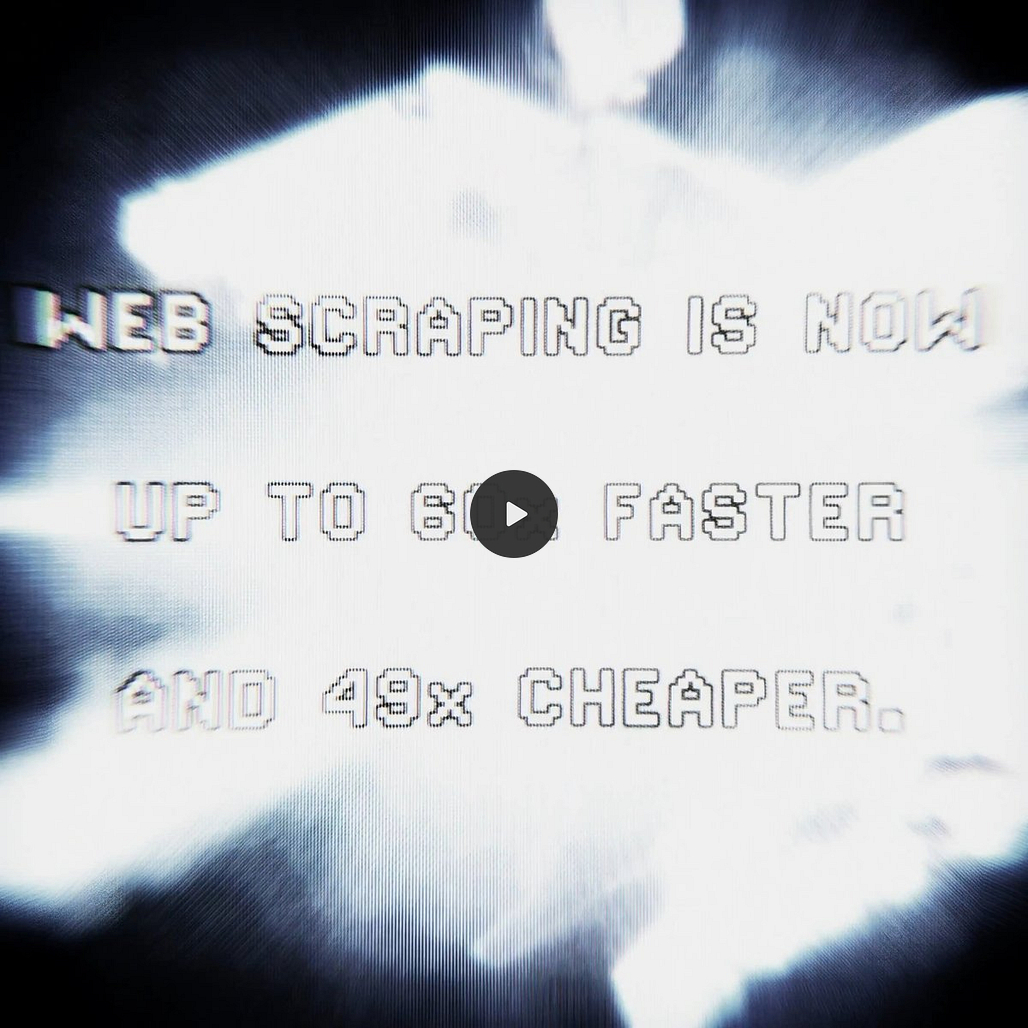
Nous Research says Hermes Agent now reads the web up to 60x faster and 49x cheaper by changing the plumbing: cleaner content passed straight through, fewer repeated processing steps, and big pages saved locally then paged when needed.
This is the unglamorous side of agents that decides whether they’re usable day-to-day. If browsing tools are slow or pricey, people stop trusting them, regardless of how smart the model is.

Claude Sonnet 5 lands in Cursor, and the editor wars continue
Cursor integrated Claude Sonnet 5 and pointed to a CursorBench jump (57% vs 49% for Sonnet 4.6). For many developers, that’s the real decision point: how it performs on multi-file tasks inside the tool they already use.
Still, performance numbers never travel alone, price is always in the replies, and “is it worth it?” is becoming the default question for every new model tier.


Sonnet 5 backlash focuses on cost per task
Not everyone is buying the upgrade story. Lisan al Gaib posted a blunt cost comparison chart, arguing Sonnet 5’s price makes it hard to justify against a growing list of alternatives.
It’s a useful reminder that the market is no longer “best model wins”. People are shopping like engineers: unit economics, latency, and how many runs they can afford before they hit something good.


Agentic creativity: Sonnet 5 using Blender in a couple of hours
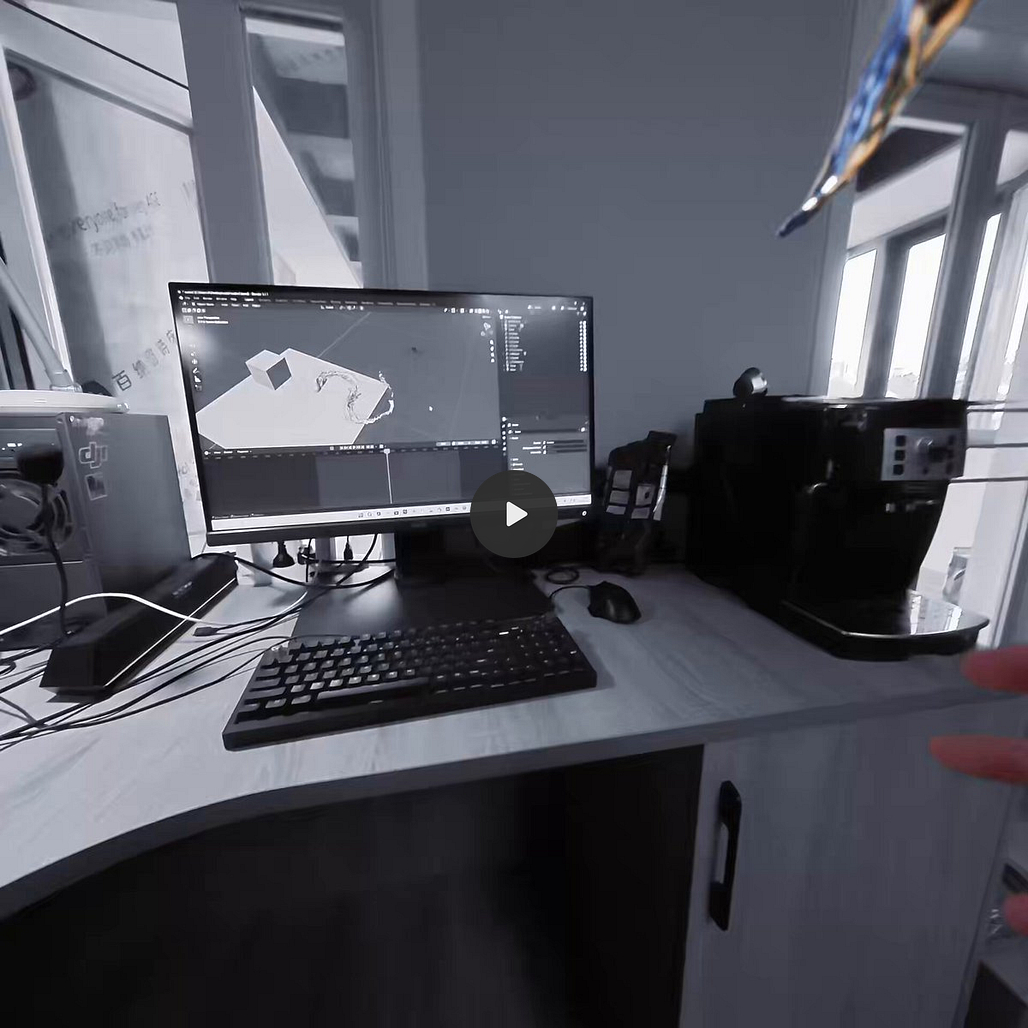
el.cine shared a demo of Sonnet 5 using Blender to produce a polished fluid simulation clip fast. Whether or not it replaces a specialist, it shows where “agentic” starts to matter: not just generating an image, but steering tools and making choices across steps.
It also lands at an awkward moment for creative work, where the gap between “I can do that” and “I can do that on a deadline” is closing.


Export controls lifted for Claude Fable 5 and Mythos 5
Anthropic says the US Department of Commerce has lifted export controls on Claude Fable 5 and Mythos 5, with access being restored from tomorrow. After a global disablement that lasted weeks, the reversal is a big deal for teams that had plans and then got cut off.
It also underlines how fragile “availability” is for frontier models, and how quickly product roadmaps can get dragged into geopolitics.

OpenAI reportedly halves inference costs for some traffic
Andrew Curran shared reporting that OpenAI engineers have found optimisations that cut inference costs in half for some models, including logged-out ChatGPT traffic. If true, it’s the sort of behind-the-scenes work that changes pricing pressure across the industry.
Even without technical details, the direction is clear: the next wins are as likely to come from systems engineering as from new training runs.


XChat arrives on Android
X announced XChat is now available on Android, bringing its standalone encrypted messaging app to the bigger mobile base after iOS earlier in the year. The pitch is simple: sign in with your X account and message without ads or tracking.
Given how hard it is to get people to switch messaging apps, distribution and trust will matter as much as features like disappearing messages and screenshot blocking.


