



Overview
Today’s posts had two clear threads: AI is pushing software in opposite directions at once, from cheaper, faster model use through distillation and routing, to smarter agent planning that makes small models punch above their weight. Alongside that, there was a steady undercurrent about culture and craft, from “load-bearing facts” in architecture debates to the quiet anxiety engineers admit in private, plus a few bright spots where people are building delightful tools for science, colour, and even MRI scans.
The big picture
The conversation is moving beyond “bigger model wins” into something more practical: cost curves, planning frameworks, and systems that keep improving after deployment. At the same time, the human side is getting louder. People are talking about what it feels like to work in software right now, how institutions transmit values over time, and how company cultures show up in tiny habits, like where you dare to take a phone call.
Distilling frontier models into small, owned specialists
Sam Hogan announced Inference AutoTune, pitching a pragmatic promise: take a frontier model, distil it into a task-specific small model, and route traffic so you keep quality where it matters and save money where it doesn’t. The interesting part is less the “25 lines of code” claim and more the operational framing, with automation around datasets from live traffic, evals, training sweeps, and deployment.


Smarter planning beats bigger parameters for agents
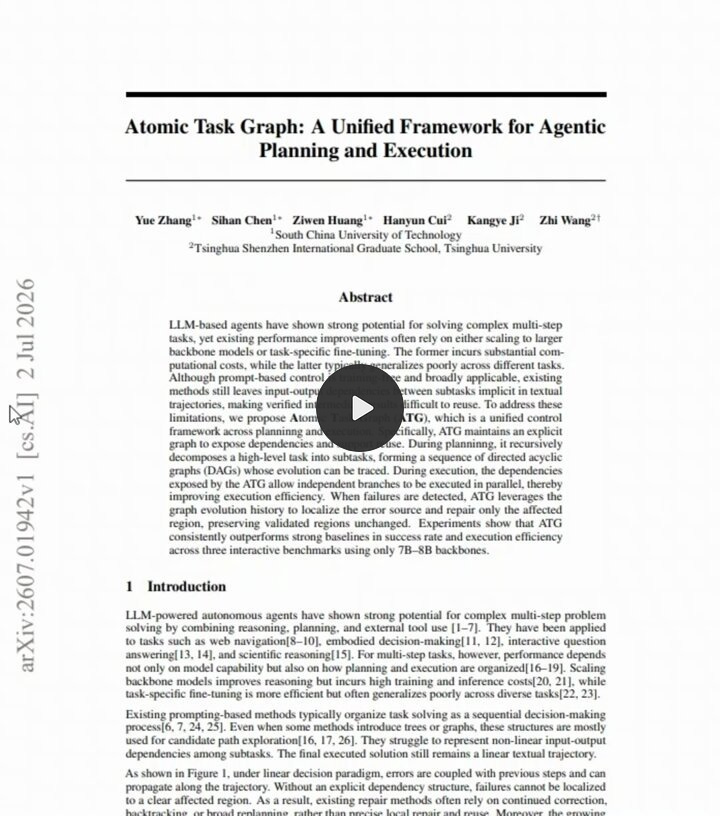
Alex Veremeyenko highlighted Atomic Task Graph, a planning framework that turns 7B-8B open models into strong agent performers without tuning the weights. The core idea is to stop treating tool use like a single linear checklist and instead build a graph of atomic subtasks, so independent work can run in parallel and failures can be repaired locally rather than derailing the whole run.

The new cost maths of frontier models, in public
Sam Altman’s quick question about a cost breakdown did what these posts often do: it made an industry argument feel concrete. If a small fraction of tokens can drive a large fraction of cost, teams end up designing workflows around pricing quirks as much as capability, which is an uncomfortable but real part of choosing models in production.


Software jobs are rising, not falling
Aaron Levie pushed back on the “AI replaces programmers” storyline with a simpler economic intuition: lower the cost of producing software and you get more software produced. That doesn’t remove the need for engineers, it often creates more work across maintenance, integration, architecture, and the long tail of decisions that don’t fit neatly into prompts.


Engineers are rattled, even if they don’t say it on stage
Jamon Holmgren put words to a mood many teams will recognise: experienced engineers sounding calm online, then sounding stunned in private. The pace of change is fast enough that even people who have lived through multiple platform cycles are having to renegotiate what “senior judgement” looks like day to day.

“Make something agents want” becomes the new product mantra
Garry Tan’s line is short but it points at a real design constraint: when the primary user is an agent, the UI matters less than the interface. Products are being judged on API shape, permissions, reliability, and how easily an automated system can string actions together without getting stuck on human-only workflows.


Custom software inside big companies is back in fashion
Chamath Palihapitiya argued that the enterprise may be heading towards a rewrite era, where firms decide it is cheaper to build their own systems than keep paying for licences and the consulting layer around them. Whether or not the numbers land exactly as forecast, the direction is familiar: if building gets cheaper, “buy” stops looking like the default.


DIY tools for real life: a patient-built MRI viewer
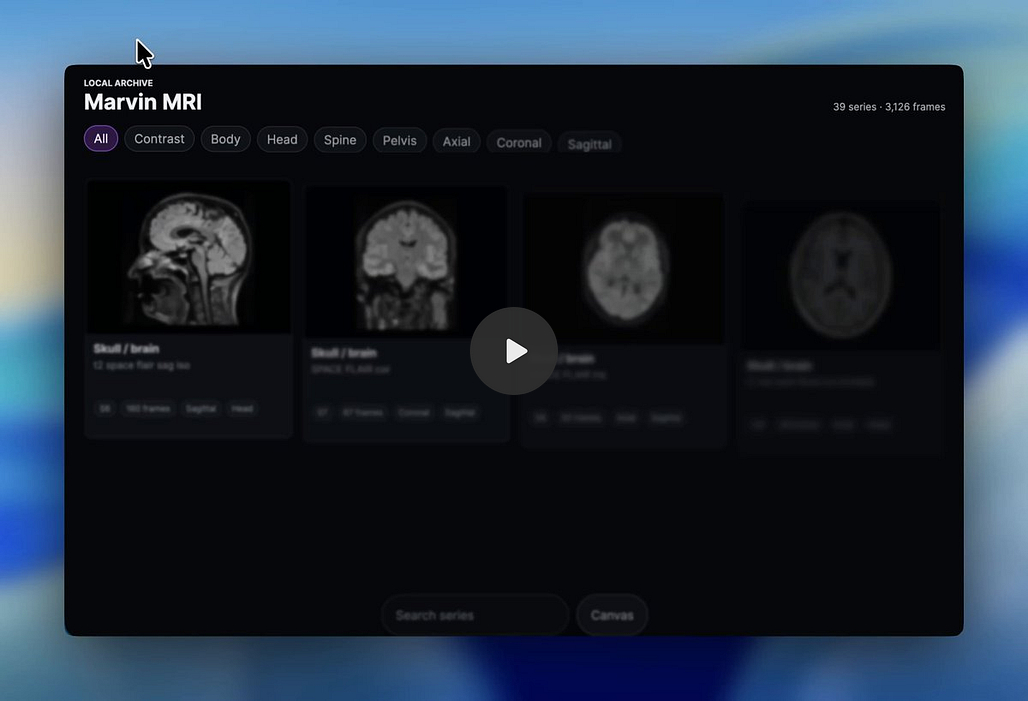
Marvin Schwaibold showed a home-made web MRI viewer that outclasses the clunky software patients often get handed. It is a neat example of AI as interface glue, not as a magic brain: take awkward data, build a fast browser tool, and suddenly the experience is searchable, annotatable, and usable.


Apple vs Google culture, told through where people take calls
Matt Van Horn’s observation landed because it is so specific: Google employees take interviews in conference rooms, Apple employees take them in their cars. It is a reminder that “security culture” isn’t policy documents, it’s habits, fear, and what colleagues think is normal.


AI policy meets ancient argumentation
Dean W. Ball joked that AI policy work eventually forces you to read the Talmud, then pointed at why that instinct keeps resurfacing: traditions built to preserve disagreement, handle edge cases, and transmit norms across centuries are oddly relevant when you are trying to write rules for systems that will be interpreted, contested, and stress-tested.


