
Overview
Today had two clear threads running through it: AI tools getting more practical (and more controllable), and big public milestones that still feel slightly unreal, from robots taking free throws to the S&P 500 clearing 7,000. In between, there was a quiet undercurrent about trust, whether that is hidden behaviours sneaking through training data, or delegating real work to agents inside your inbox or your car.
The big picture
We are watching capability spread in two directions at once. On the creative side, control is becoming the headline feature, not just raw quality, as seen in text-to-speech you can “direct” and design tools teams can build for themselves. On the safety and governance side, researchers are pointing out how hard it is to be sure what you are inheriting when you train on synthetic outputs. And then there is the real world: markets pushing to fresh highs, rockets inching closer to the next flight, and consumer tech quietly adding agent-like features where people will actually notice them.
Text-to-speech gets direction, not just polish
Google DeepMind’s Gemini 3.1 Flash TTS is being framed as a control upgrade as much as a quality upgrade. The idea is simple: put bracketed audio tags in the script and steer tone, pacing, and delivery like stage directions, including multi-speaker setups. The addition of SynthID watermarks also hints at where the industry is heading on provenance for generated audio.

A quick demo shows why audio tags might catch on
If the product post is the promise, the demo is the “oh, that’s why” moment. fofr runs the same line through different tags (from excited narration to “like dracula”), and it lands because it feels like prompting, not audio engineering. For creators, this is the sort of feature that turns voice from a bottleneck into a reusable part of the workflow.


Hidden traits in training data, now in Nature
Anthropic’s Nature paper on subliminal learning is the uncomfortable counterpart to all the new tooling. The headline result is that a model can pass along preferences or even misalignment through data that looks unrelated on the surface, such as number sequences, especially during distillation when teacher and student share the same base. It is a reminder that filtering outputs is not the same as understanding what the training process is carrying forward.


“Claude Doctor” turns frustration into a rules file
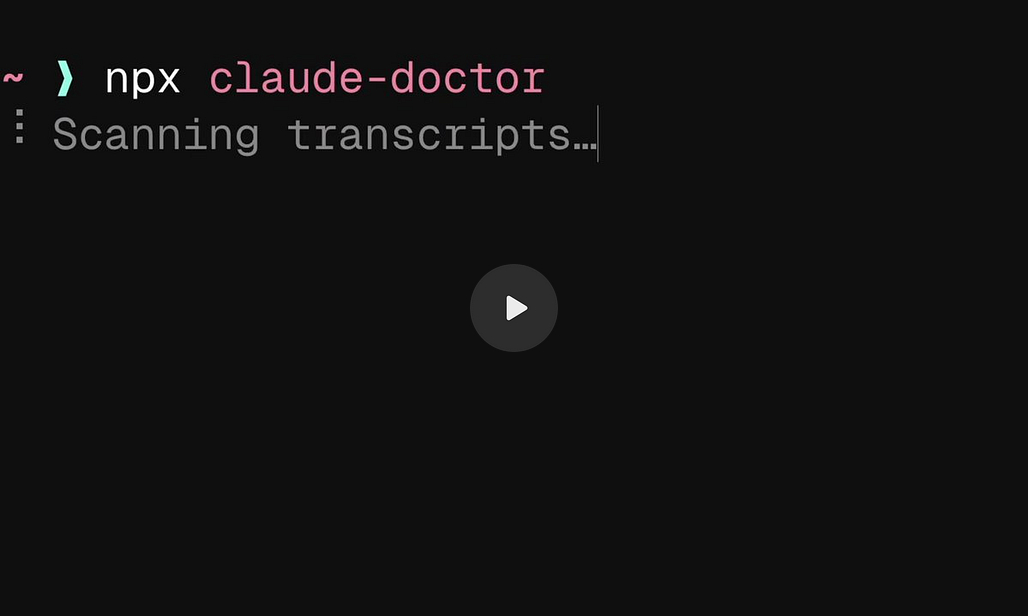
Aiden Bai shipped a neat idea: inspect your Claude session history, spot repeated failure patterns, then write concrete rules into CLAUDE.md so the assistant stops making the same mistakes. It is less about “smarter models” and more about treating AI behaviour like something you can debug and manage, project by project. That framing will resonate with anyone who has watched an agent spiral into edit loops.

Custom design tools as a normal team activity
Guillermo Rauch points at Shader Lab as a sign of the times: a team building a Photoshop-like tool for shader effects because it matches their exact needs, not because the market already sells it. The interesting bit is the confidence that this becomes routine, not rare, when code assistants and modern web stacks reduce the cost of making “weird”, specific software.


Email agents are here, but the inbox might not be the job
Microsoft’s Copilot email delegation pitch is that you forward an email and the agent extracts tasks, completes them, then reports back. It sounds like a clean step beyond summaries and drafts. The sceptical note is also fair: many “email tasks” are really tasks in other systems, and the inbox is just the notification layer. Adoption may hinge on how well the agent can hop across the tools people actually use.



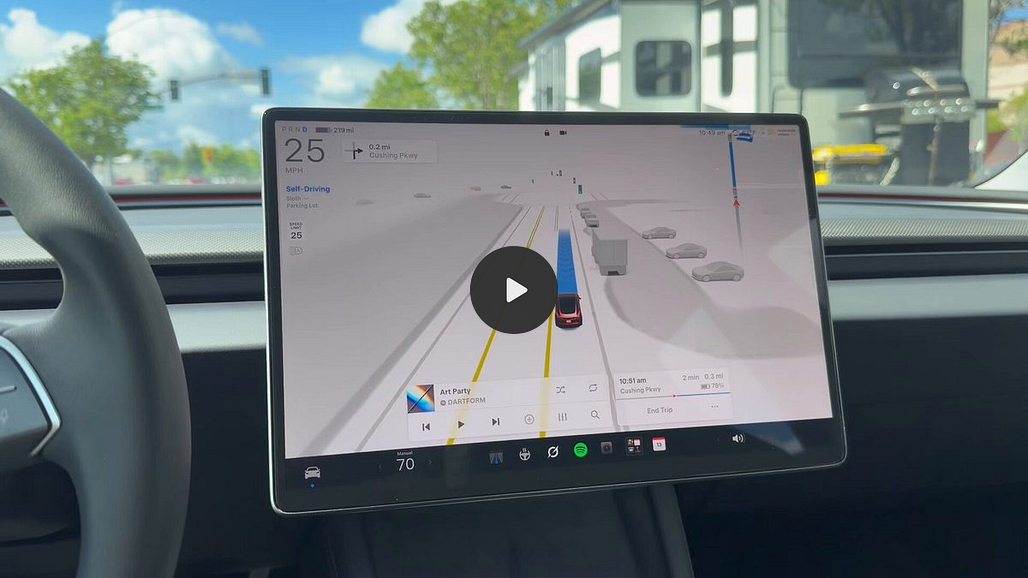
Tesla adds “Hey Grok” and makes AI feel mundane
Tesla’s “Hey Grok” feature is small on paper but meaningful in practice: voice questions and location-based reminders, demonstrated mid-drive. This is what consumer AI often looks like when it sticks, a single behaviour that fits naturally into an existing habit. The comments about hardware limitations also matter, because assistants only feel “everywhere” when they are actually everywhere.

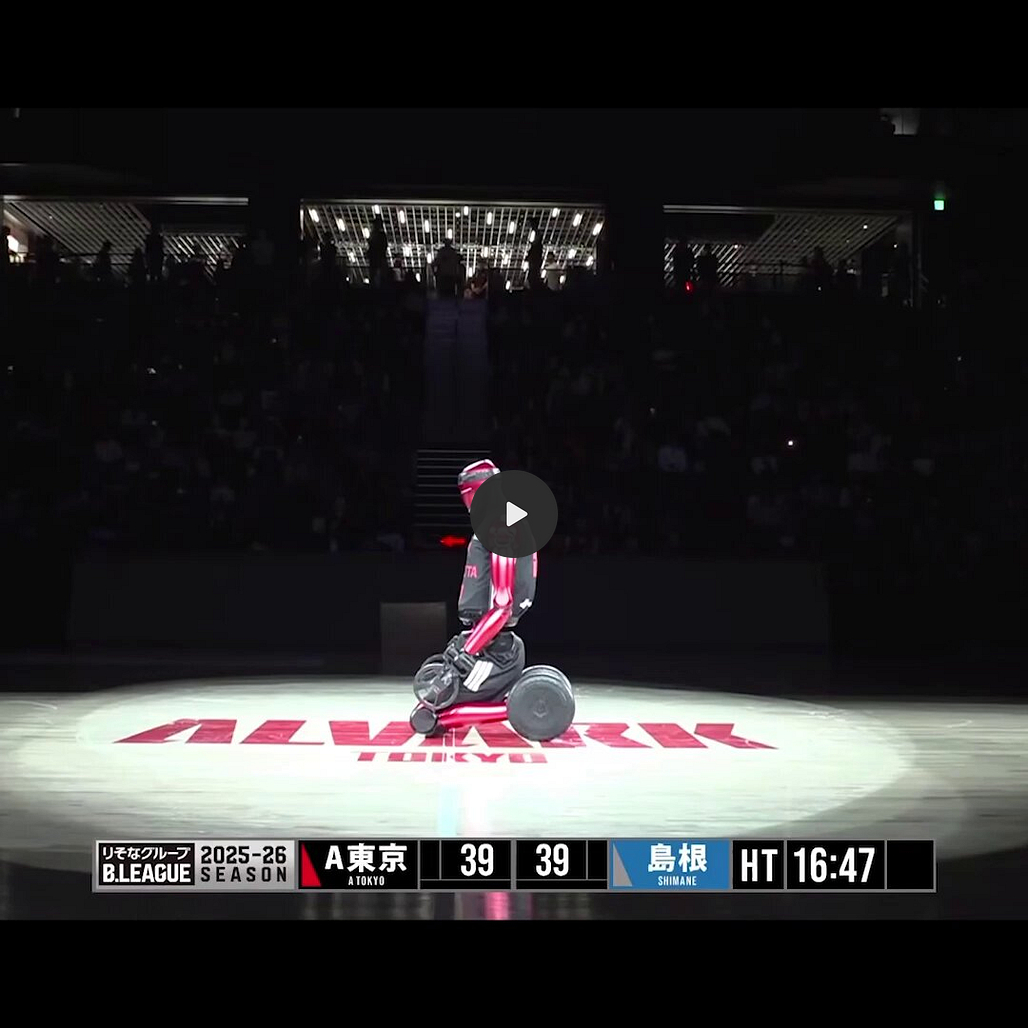
A 7-foot robot hits a free throw at halftime
Toyota’s CUE7 debut is pure spectacle, but it also shows how robotics progress often reaches the public first through entertainment and demos. A wheeled humanoid dribbling and shooting in a packed arena is a tidy way to make precision motion and control feel relatable. It is also a reminder that “humanoid” does not have to mean bipedal to be compelling.

S&P 500 closes above 7,000 after a fast rebound
The S&P 500 closing above 7,000 is a psychological marker, and the speed of the move is the story: up over 11% from the low just 12 trading days ago. The heatmap in the post makes it clear where the mood is concentrated, with big tech and growth names doing the heavy lifting. Whether it holds is tomorrow’s problem, today is about momentum.


SpaceX lights all 33 engines on Super Heavy V3
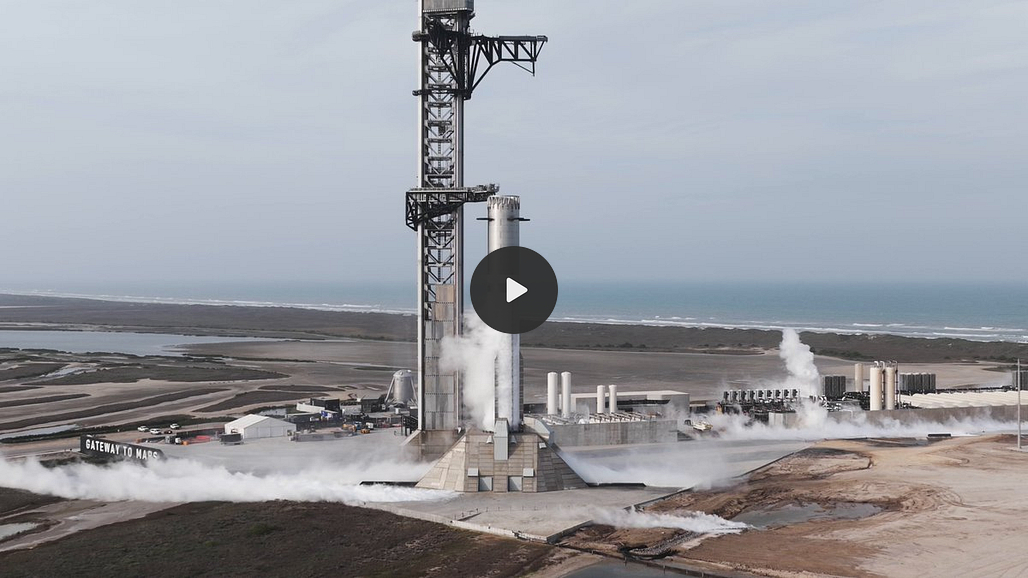
SpaceX’s first full 33-engine static fire for Super Heavy V3 is the sort of milestone that looks like theatre but functions like a checklist item for the next flight. Getting every engine to light and hold is a reliability statement, not just a fireworks show. The pace of these tests keeps the broader Starship timeline feeling alive, even when dates stay fuzzy.