
Overview
Today had that familiar split-screen feel: AI money and compute commitments getting bigger and more physical, while the culture around AI gets stranger, funnier, and sometimes darker. There was also a welcome dose of space news, plus a reminder that craft and real-world experiences are still having a moment.
The big picture
The centre of gravity is moving from “who has the best model” to “who controls the inputs”, chips, power, data, and distribution. At the same time, the social knock-on effects are showing up everywhere, from hiring claims and messaging apps to research fraud worries and even kidnapping risk tied to leaked personal data.
Google’s Anthropic bet, and the 5GW reality check
Alphabet reportedly putting up to $40bn more into Anthropic isn’t just a finance headline, it’s an infrastructure one. The 5GW compute commitment is the tell: AI’s next constraint is turning into power, data centres, and long-term supply, not just clever training runs.
It also underlines the odd new world where “competitors” can be strategically useful, especially when the bigger prize is locking in cloud demand and keeping options open.


Grok’s voice bragging rights, and the benchmark wars
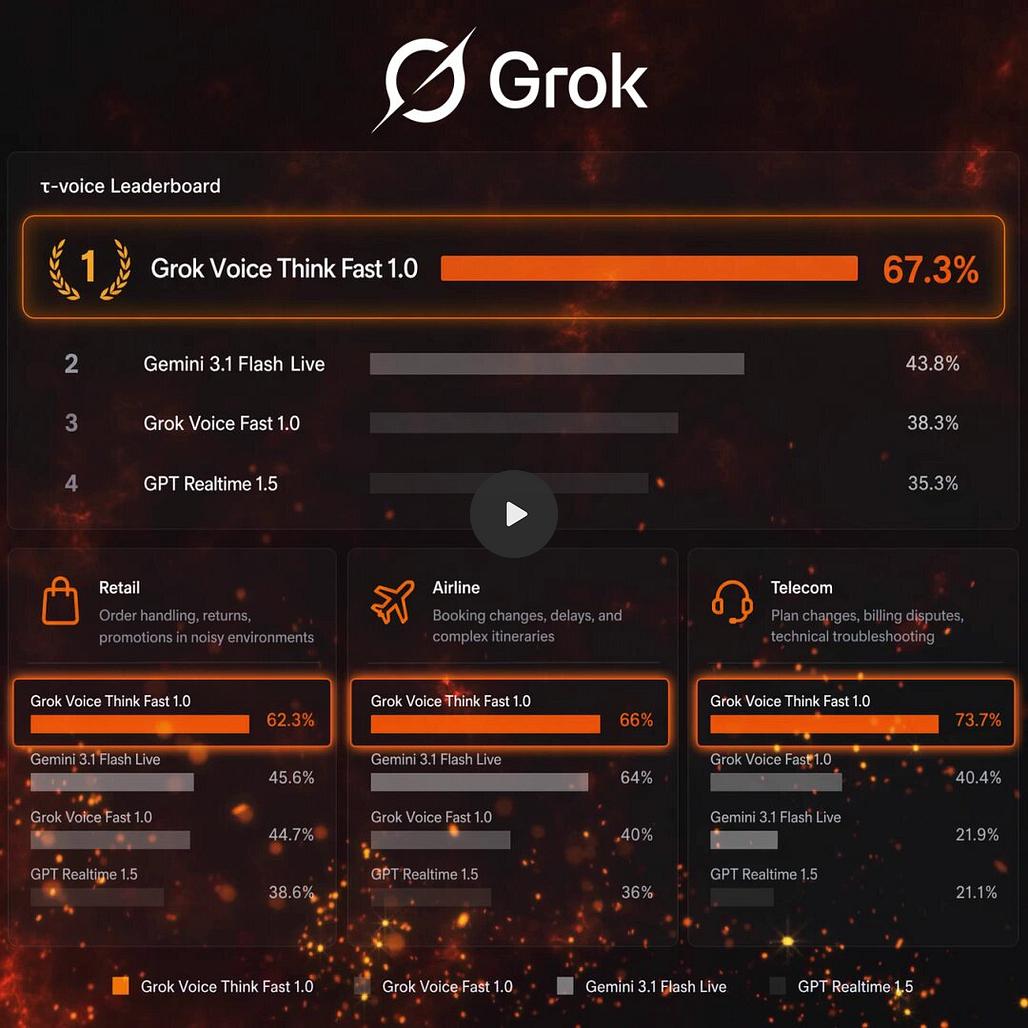
xAI fans pushed hard on performance claims, with a leaderboard post saying Grok leads a “real-world” voice agent benchmark across multiple sectors. The subtext is that voice is becoming the next product battleground, not just a demo feature, but something that has to cope with interruptions, noise, and messy conversations.
As always with these posts, the excitement sits alongside the practical question: how many people can actually use it without queues, limits, or flaky availability?

The prompt that launched a thousand arguments about “reasoning”
A single screenshot did the rounds: “Count to 10 starting from 11.” The comparison was less about counting and more about how models handle ambiguity, whether they ask clarifying questions, and how they explain their interpretation.
It’s a small example, but it captures the current vibe: people aren’t just scoring models on correct answers, they’re scoring them on judgement and conversational common sense.


Salesforce says entry-level work is not dead, it’s being rewritten
Marc Benioff jumped into the “AI kills junior jobs” debate by saying Salesforce is hiring 1,000 new grads and interns. The framing is clear: the entry-level pathway is still there, but it’s moving towards building and operating AI systems, not avoiding them.
The more interesting question is what those roles look like day to day, and whether other firms follow with similar numbers or just similar slogans.


Science, fraud, and the coming paperwork renaissance
@cremieuxrecueil put it bluntly: without stricter norms around open code, open data, and properly documented experiments, the literature risks being flooded with plausible-looking junk. AI makes it cheaper to produce convincing figures and narratives, which means trust has to be earned through receipts.
It’s not glamorous, but it points to where the real work is headed: verification, reproducibility, and audit trails that survive contact with automated content.


X launches XChat, and people ask why it needs to be separate
XChat arrived as a standalone messaging app pitched on speed and privacy, but the reaction shows a familiar product tension: users like focus and encryption, yet they hate being pushed into yet another app.
If it lands, it’s because it feels calmer and more reliable than DMs inside the main feed, not because it exists.

France’s crypto kidnappings, and the cost of leaky databases
Pavel Durov highlighted a grim stat: dozens of kidnappings of crypto holders in France in just a few months, tied in his telling to leaks, database access, and insiders selling personal details. Whether every claim holds up or not, the broader point is hard to ignore.
When sensitive identity data spreads, online risk turns physical. “Collect more” starts to look like “create a bigger target”.

SpaceX marks three years of Starship with a progress reel
SpaceX’s update hits the familiar notes: new ship, new booster, new engines, new pads, and a renewed push for rapid reusability. It’s a reminder that rockets are still a long game of iteration, test sites, and engineering patience.
Even in an AI-heavy day, a solid space video can still pull focus.


NASA’s week in miniature: Roman, Crew-13, Artemis, and Curiosity
NASA’s recap bundled a surprising amount: Roman aiming for a September launch, Crew-13 announcements, Artemis III hardware rolling out, and Curiosity turning up more clues about ancient chemistry on Mars.
The common thread is momentum across programmes that move at different speeds, but still add up to a steady drumbeat of exploration.


Handmade film craft meets the “analog comeback” talk
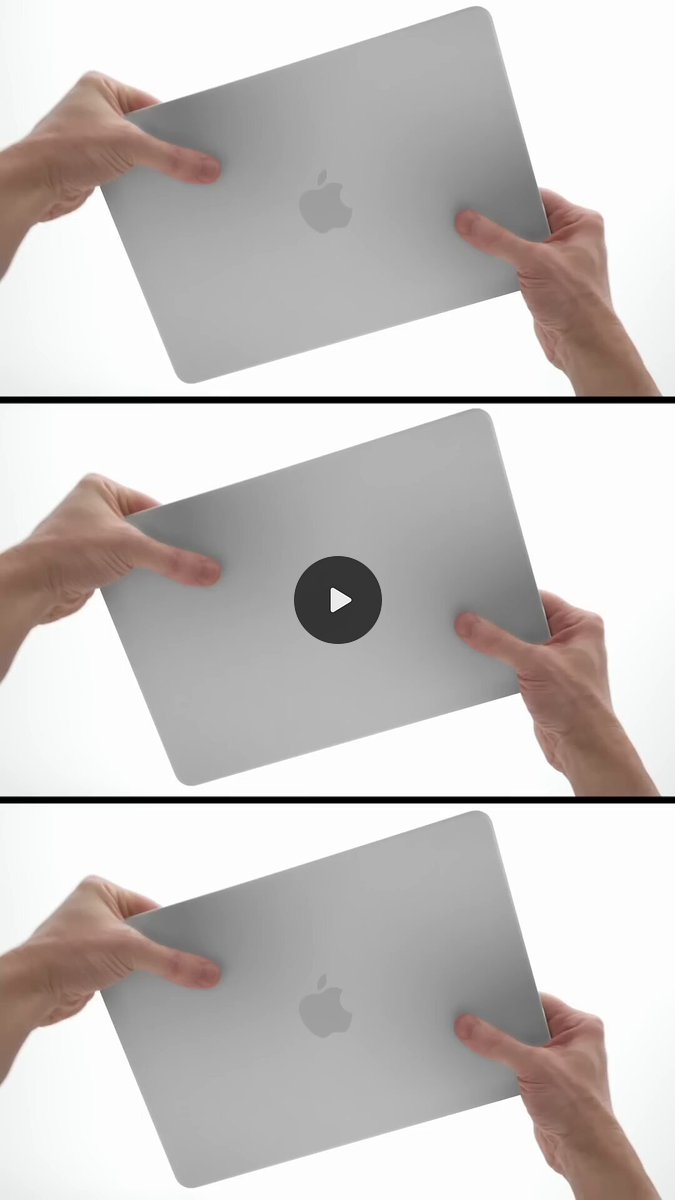
A behind-the-scenes clip on Apple’s MacBook Neo intro showed practical effects and stop-motion techniques that look human because they are human. It landed because it’s tactile, imperfect in the right ways, and clearly made by people with patient hands.
It pairs neatly with the growing talk that as AI fills the internet with synthetic content, audiences will start craving physical proof and real texture again.