

Overview
Today had two clear threads running through it: tech tools getting closer to how people actually talk and work, and politics leaning hard on history, symbolism, and the odd sharp line. In between, there was the internet being the internet, from AI film mash-ups and game re-skins to a genuinely nasty accident on a cross-country livestream.
The big picture
We are watching interfaces change shape in real time. Terminals, databases, and creative suites are being pulled towards conversational control, while the human part of the job moves to taste, judgement, and deciding what should happen next. Meanwhile, public life is having a heritage moment, with Magna Carta citations, NATO reminders, and budget warnings all fighting for attention in the same scroll.
Warp opens the doors and puts the terminal on GitHub
Warp going open-source is a serious statement from a product that has been treated like a glimpse of the next dev environment. It also raises a practical question: if the code is public, the differentiator becomes community direction, how fast issues get sorted, and whether contributions turn into something coherent rather than chaotic.

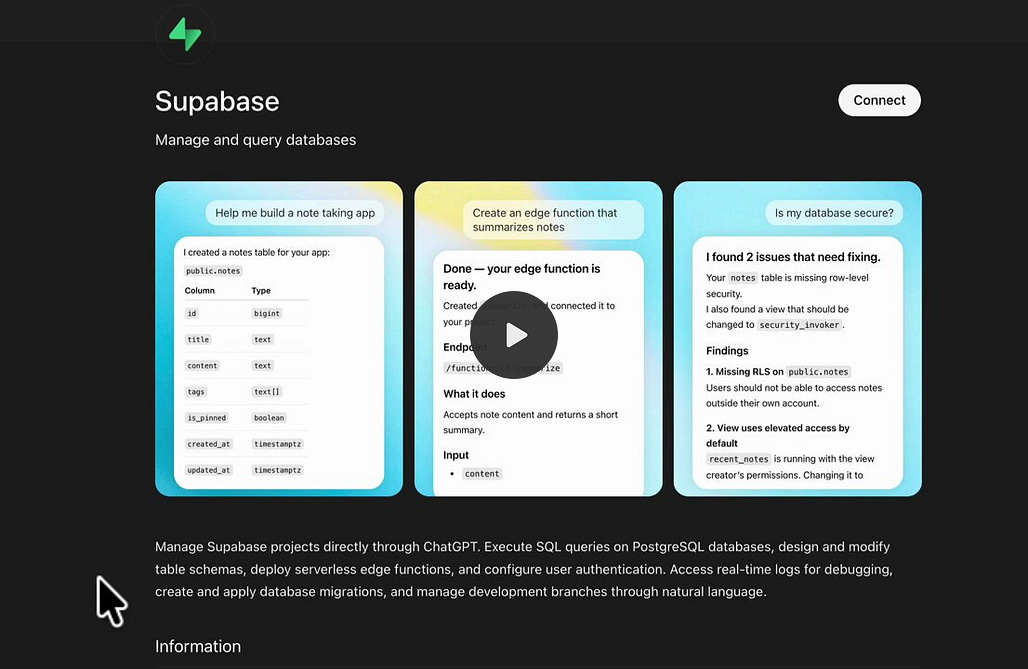
Supabase becomes a ChatGPT app and turns admin work into chat
Supabase plugging into ChatGPT makes the promise obvious: describe what you want, then let the system write the SQL, create the tables, and handle the boring glue work. The less obvious bit is governance, because giving an assistant read and write access to your backend is a grown-up decision, not a demo trick.

Adobe and Claude: prompting your way through Creative Cloud
The loud reactions are about jobs, but the more grounded takeaway is about execution speed. If you can describe a retouch, a resize, or a set of exports and have the suite coordinate the steps, the time sink moves from clicking buttons to giving clear direction and spotting what looks off.


The quadrillion-dollar question: why humans learn from so little data
Dwarkesh Patel’s post cuts to a core problem in AI research: people learn fast with messy, rich feedback, while language models often need oceans of text. The interesting angle is not just architecture, it is what the system is rewarded for, and how many kinds of feedback it can take seriously.

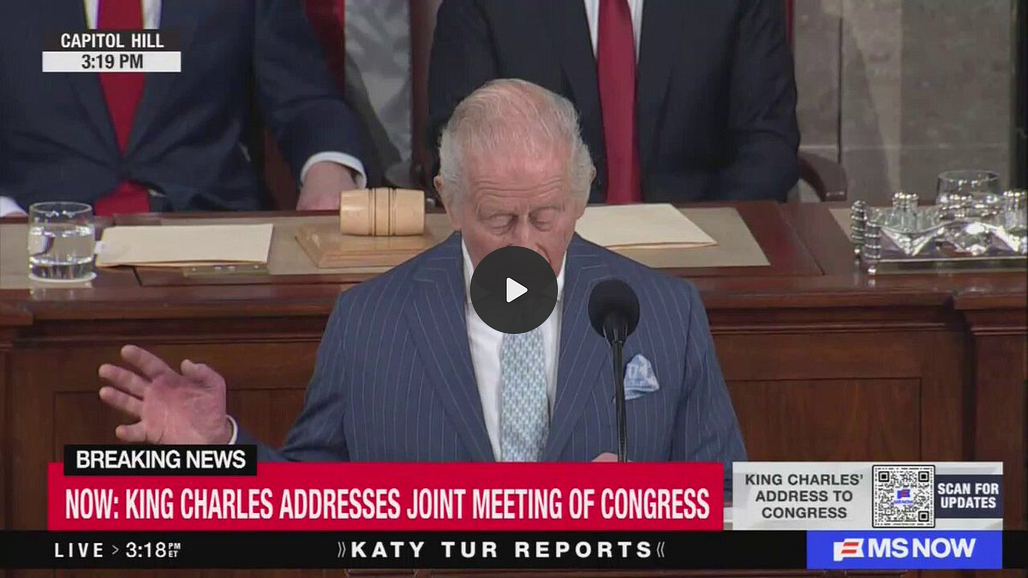
King Charles gets the standing ovation with Magna Carta and checks on power
In Washington, the cleanest applause line was a reminder that executive power is meant to be constrained, with a neat statistic about Magna Carta showing up in Supreme Court cases. It landed because it sounded like history, but it also sounded like an argument about the present.

NATO, 9/11, and Ukraine, the king makes the reciprocity case
The clip doing the rounds frames support for Ukraine through the memory of Article 5 after 9/11. It is the kind of message designed to box in anyone who likes the alliance when it helps America, but goes quiet when America is asked to help back.

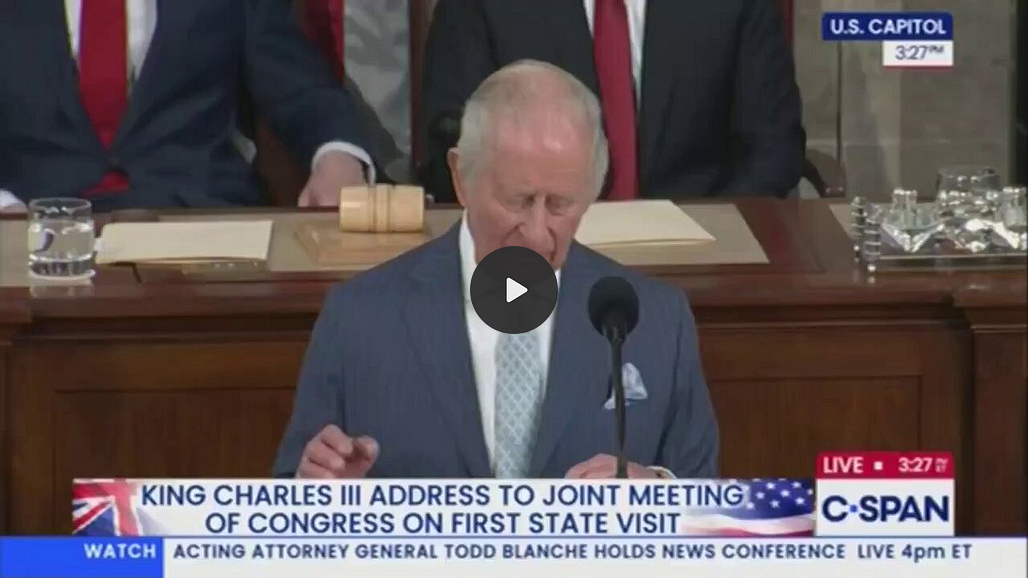
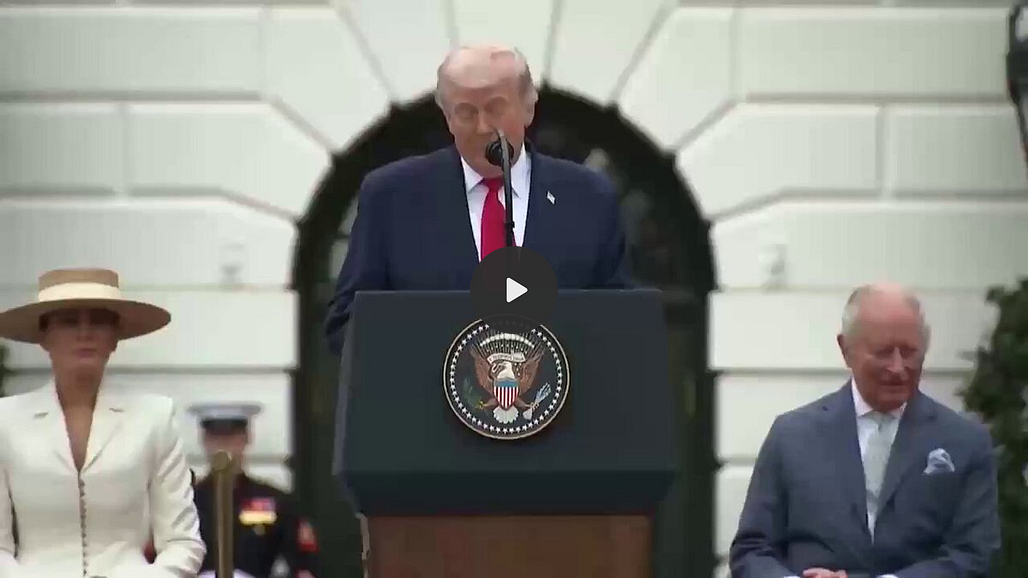
Trump welcomes the king and kicks off America’s 250th with a heritage pitch
Trump’s line is that honouring the British monarch is not ironic, it is fitting, because the US inherited culture and political ideas long before independence. Whatever you think of the politics, it is a reminder that anniversary-year messaging is going to be about myth-making as much as policy.

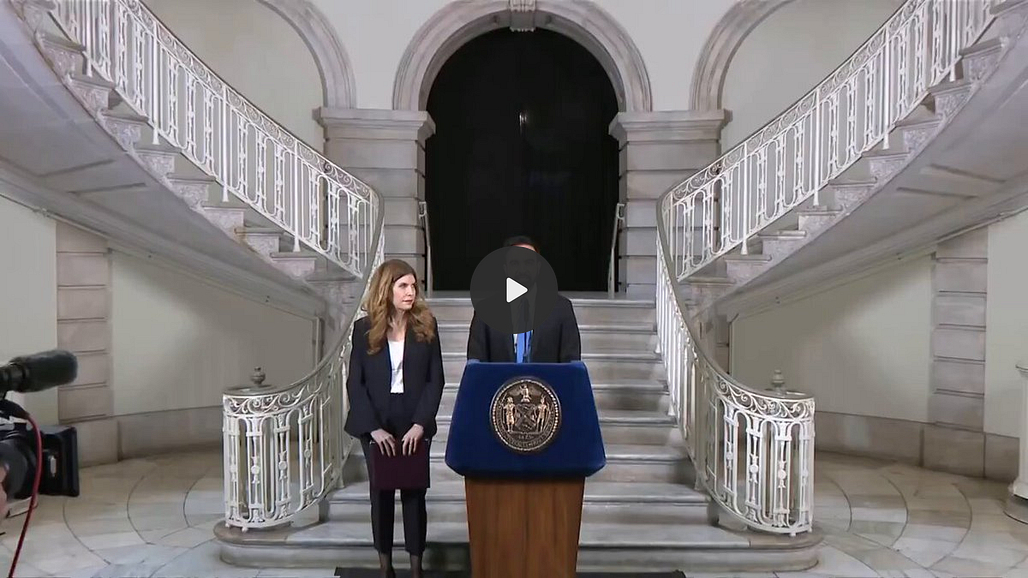
New York City budget alarm: Mamdani asks for new revenue and a reset with the state
NYC’s mayor calling a “budget crisis” four months in is the sort of statement that hardens positions fast. The argument is that savings will not cover it, and that the city’s relationship with the state needs reworking, which usually means political fights about who pays, and who gets blamed.

Streamer hmblzayy hit by a car during the Philly-to-California walk
This is grim: a cross-country walking stream ends with a hospital trip after a road crash in Indiana. The attention is massive because it is live life turned into content, but it is also a reminder that “watching in real time” does not come with any safety net.


The RAM price joke lands because AI video is getting heavy
WallStreetMav’s gag about RAM being expensive rides on a real trend: AI video clips are becoming good enough to share widely, and they chew through compute and memory to do it. The meme is funny, but the underlying point is that consumer hardware is competing with data centres for the same parts.