
Overview
Today’s posts sit at an awkward intersection of progress and pushback: developers want faster, longer-running AI agents, satellite firms want your phone connected anywhere, and researchers want to measure whether we are getting better at working with models. Meanwhile, the AI industry is arguing about “distillation” as both a normal technique and a claimed form of theft, and the health world is watching whether bold claims on age reversal survive first contact with human trials.
The big picture
The thread running through the day is maturity. AI is moving from clever demos to operational concerns, such as latency, serving costs, security boundaries, and skills. At the same time, the stakes keep rising: when models and networks become infrastructure, disputes over access, misuse, and value stop being academic.
Measuring how well people actually work with AI
Anthropic shared early findings from its AI Fluency Index, which looks at real Claude conversations and scores behaviours like iteration, goal setting, and fact-checking. The standout is simple: people who treat the first answer as a draft and keep refining tend to spot problems and missing context more often.
It is also a quiet warning. The more “polished” the output looks, the less scrutiny it seems to get, which is a familiar pattern in workplaces that are starting to lean on AI for writing, analysis, and code.


WebSockets arrive for tool-heavy agents
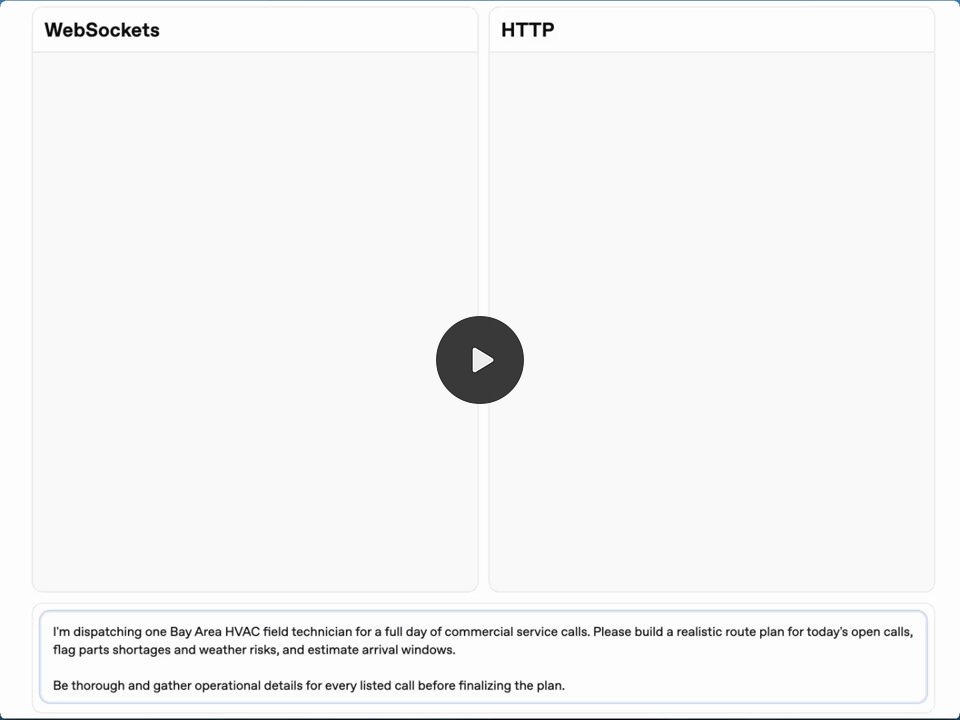
OpenAI Developers introduced WebSockets in the Responses API, aimed at long-running sessions that make repeated tool calls. Persistent connections mean less time spent resending context and more time getting results back quickly, which matters once you move beyond chat and into agents that plan, call tools, and keep state.
The announcement also picked up some noisy replies about model changes, a reminder that the developer story and the user trust story do not always move in step.

xAI’s API docs, served straight into your IDE
xAI now has an MCP server for its API documentation, so coding assistants can fetch current docs on demand. That sounds mundane until you remember how much time gets lost to stale examples, renamed fields, and “it worked last week” endpoints.
If this pattern sticks, it nudges docs away from static web pages and towards live, queryable sources that tools can rely on in real time.


Inference gets its moment, because training is not the whole game
Hasan Toor made the case that inference is the under-talked part of AI, where cost, latency, and reliability decide whether a product holds up. He pointed to Philip Kiely’s book “Inference Engineering” as a map of the stack, from GPUs upwards, including tactics people are using now to keep serving bills under control.
It is a useful corrective for anyone stuck in the “model training is everything” mindset.


Anthropic claims mass “distillation” attacks by Chinese labs
A Wall Street Journal report, shared by The Spectator Index, says Anthropic traced more than 24,000 fraudulent accounts and over 16 million prompts used to pull information from its system. The allegation is that this was used to train or improve competing models via distillation.
Reactions predictably split between concern about industrial-scale extraction and accusations of hypocrisy, given how much of the AI industry is built on scraped data and contested permissions.


Distillation, the technique at the centre of the storm
Amid the heist language and geopolitics, Yuchen Jin’s post underlines a simpler point: distillation has real impact. It has long been a standard way to compress capabilities from larger models into smaller ones, which is why it is now turning into a flashpoint when done at scale against a rival’s systems.
The uncomfortable bit is that the same method can be both legitimate research practice and a route to copying behaviour without permission, depending on how it is carried out.


Starlink’s direct-to-cell milestone, and what it could change
X Freeze reported that SpaceX has completed its first-gen direct-to-cell constellation, with 650+ satellites launched in 18 months and emergency connectivity reaching millions. If unmodified phones can genuinely connect without ground infrastructure, that changes the playbook for remote coverage and disaster response.
The open question is what performance looks like under real congestion and interference, not just in controlled demos and early roll-outs.


Nobody cares about perfect AI art, and that might be the point
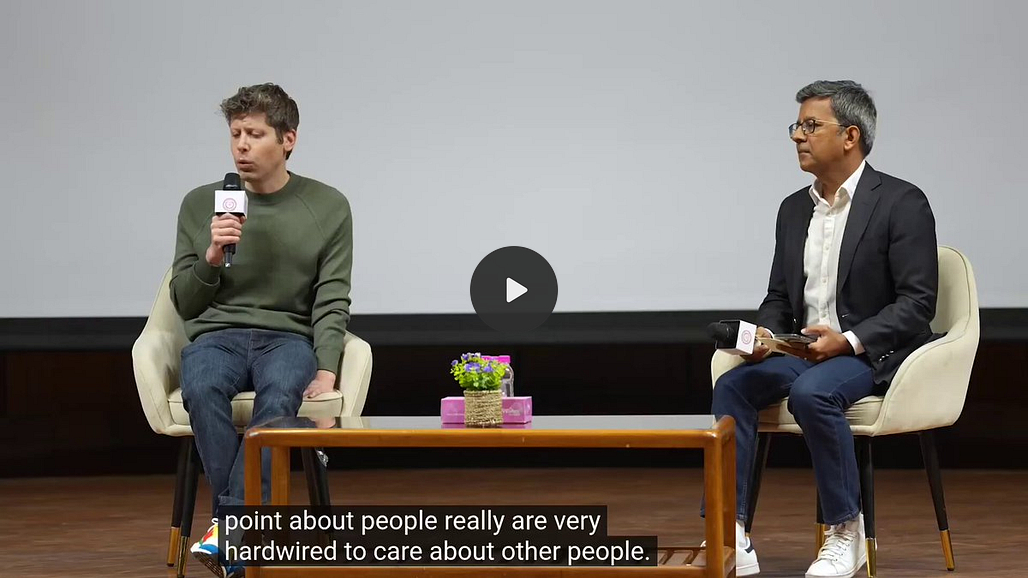
Dustin picked apart a Sam Altman clip arguing that flawless AI images can be valued at “zero” because abundance kills scarcity. The argument is not that the images are bad, but that people care about intention, taste, and the story behind the work.
It is also a neat summary of where creators are landing: AI can raise the floor, but it does not automatically supply meaning.

Aging “reversal” claims move from headlines to a first human test
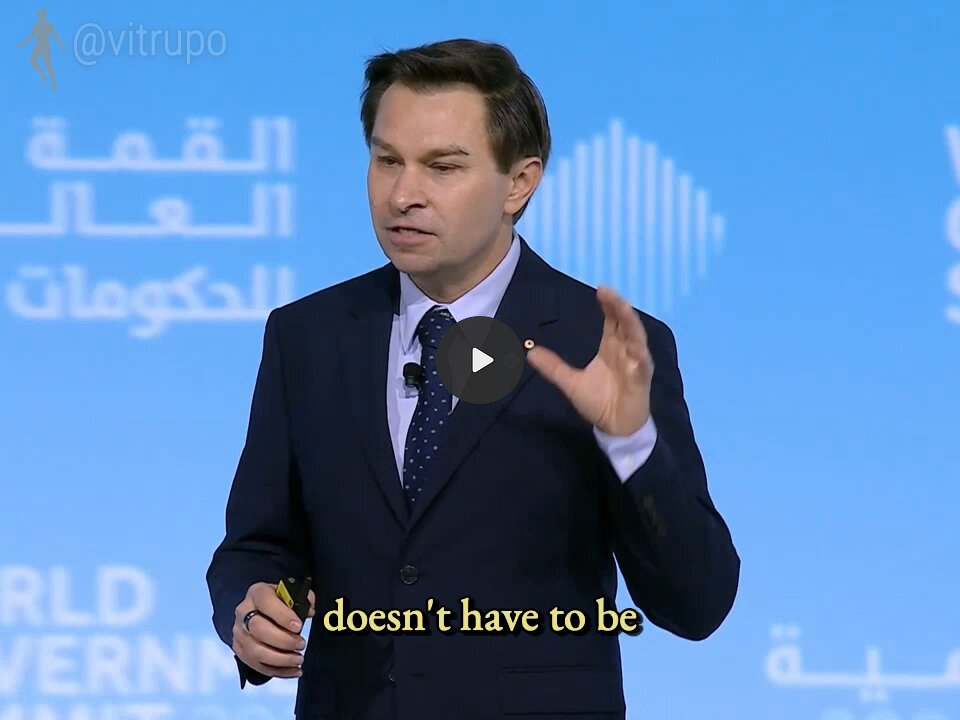
vitrupo shared David Sinclair’s claim that we will learn this year whether aging is reversible, pointing to animal work and an FDA-cleared first human trial focused on age-related vision loss. The framing of aging as information loss is provocative and, if nothing else, clear enough for a broad audience to argue about.
Still, the history here makes caution sensible: biomarkers are not the same as longer, healthier lives, and past biotech hype has taught people to wait for outcomes.

Dream-to-text decoding, equal parts fascinating and unsettling
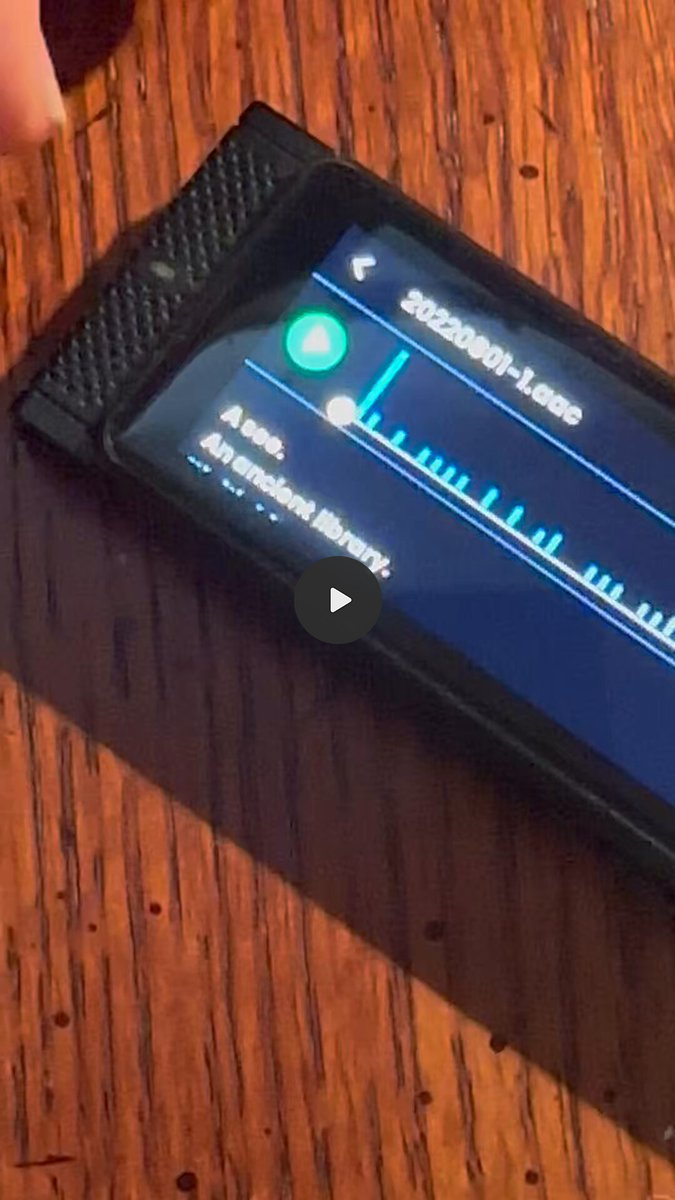
Brian Roemmele described a DIY experiment using EEG chips and an AI system to translate sleep brainwaves into short text, then compared it with what he remembered on waking. The match he reports is eerie, and the idea of externalising something as private as dreams is hard to ignore.
It is also early, noisy data by nature. If this line of work goes anywhere, it will need careful validation across many nights, not just a striking single example.