



Overview
Today’s thread running through tech is simple: AI is moving from “helpful assistant” to “does the work” - and organisations are reshaping around that reality. We saw agent swarms building full-stack apps, developers trading notes on how to keep AI coding honest, and platform moves from Anthropic and OpenAI that make tool access and remote workflows feel more normal. On the side, there was a court verdict in Musk v Altman, renewed anxiety about npm supply chain attacks, and a loud reminder that “AI re-orgs” can mean fewer managers.
The big picture
There’s a growing gap between what’s possible in demos and what’s dependable day-to-day. The best posts today either pushed the frontier (multi-model agent swarms, faster Gemini access), or tried to make the messy middle manageable (implementation notes, remote agent control, tighter SDK infrastructure). Meanwhile, the labour story is getting sharper: flatter teams, fewer pure managers, and more pressure for technical fluency.
Agent swarms are starting to look like product teams
Bindu Reddy shared a bold demo: multiple frontier models working as an “agent swarm” to build a full-stack HR system, from auth to mobile UI to admin dashboards. The pitch is provocative, replace off-the-shelf SaaS with custom internal software, but the replies also point to the hard bit: when the swarm gets confused at 2am, someone still has to be the adult in the room.


A small prompt that forces AI coding to show its working
Thariq’s prompt is the kind you steal immediately: tell the agent to maintain an implementation-notes.html while it builds. The point is not documentation theatre, it’s surfacing every awkward decision the spec forgot to cover, every trade-off, every “I changed this because…” moment that otherwise disappears into chat history.


Anthropic brings its SDK engine in-house
Anthropic announced it’s acquiring StainlessAPI, the tooling behind its SDKs and MCP server setup. This is the unglamorous infrastructure move that tends to matter later: tighter control of developer tooling, faster iteration, and fewer dependencies on an outside platform that also supports competitors.


Codex keeps running on your Mac while you’re out and about
OpenAI Developers posted a practical workflow tip: let your Mac stay awake and act as the “home base” for Codex, while you monitor and approve work from the ChatGPT mobile app. People love the idea, but the comments also show the obvious friction point, it’s still too Mac-centric for teams living on Windows.


Gemini Flash shows up on Antigravity, speed first, cutoff clear
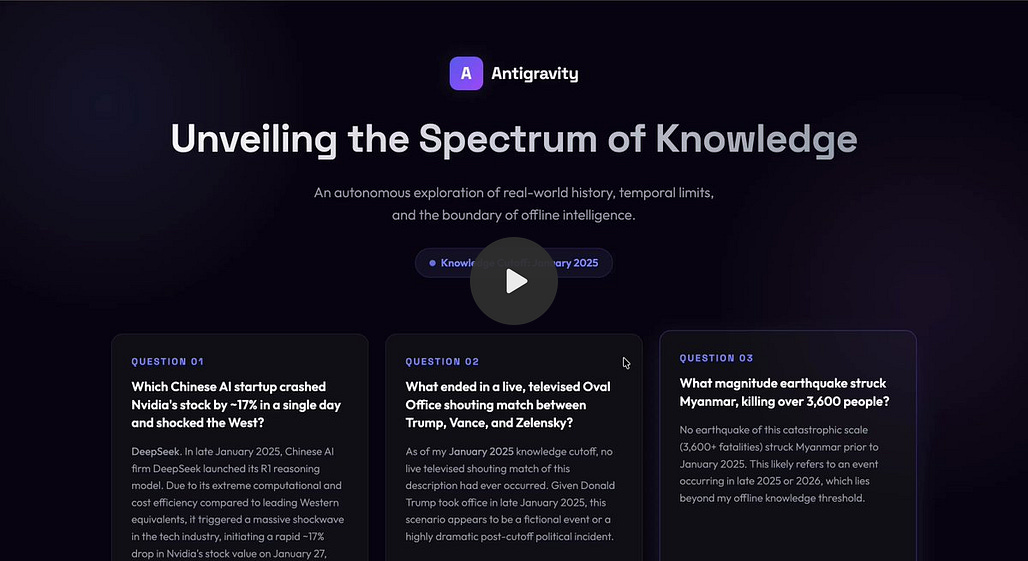
Chetaslua flagged that Gemini 3.2/5 Flash is available via Antigravity, with users praising how quickly it spits out large chunks of code. The interesting bit is the interface behaviour around the January 2025 cutoff, where it tries to label post-cutoff claims as invented, which is a useful guardrail if it holds up in real use.

Bun’s Rust rewrite shrinks binaries, and annoys assumptions
Bun posted size reductions across targets after porting parts of the codebase from Zig to Rust. It’s a neat data point because it cuts against the casual “Rust binaries are always bigger” line, and it hints that careful engineering still beats language stereotypes.


npm supply chain attacks keep landing, and devs are tired
Theo aimed frustration straight at npm after another reported wave of compromised packages, the sort of incident where one maintainer account can turn into a bad day for thousands of builds. The replies read like the usual survival kit: lockfiles, script blocking, scanning, and the nagging feeling that the ecosystem’s trust model is overdue for a rethink.


Meta moves 7,000 people to AI work and trims managers
Unusual Whales reported Meta’s internal re-org: thousands moved to new AI initiatives and managerial roles cut to flatten teams. Whether you see that as focus or chaos, it fits the pattern: big companies are spending hard on AI while trying to remove layers that slow decisions.

Musk v Altman ends on timing, not on the mission argument
NIK posted that the jury found Musk’s core claims time-barred, and the judge accepted it. That’s a clean legal ending that sidesteps the larger public fight about OpenAI’s original nonprofit promise, which is why the online argument will probably run longer than the trial did.

“Locked in” ahead of Google I/O, with DeepMind at the centre
Demis Hassabis posted a short, hype-y “Locked in!” ahead of Google I/O. It’s not news on its own, but it’s a reminder of how closely product announcements and research leadership are now linked inside Google, especially when the whole event is expected to orbit AI.


