

Overview
Today had two main threads: power plays in tech and politics, and the awkward realities that sit underneath the hype. Private AI shares reminded everyone they are not public stock, Google talked up smarter in-car tech while rumours swirled about space-based data centres, and SpaceX set the tone with another Starship milestone. On the human side, trust in AI agents hit a familiar wall (credit cards), and the internet did what it does best with a grim real-world clip that landed as dark comedy.
The big picture
There’s a growing gap between what technology can do in demos and what people, regulators, and markets will actually accept. Whether it’s secondary trading in private AI companies, AI assistants making purchases, or putting compute in orbit, the theme is the same: the constraints are social, legal, and operational as much as they are technical.
Private AI share deals hit a hard stop
A deleted brag post kicked off a messy, public reminder that private company shares come with strings attached. After chatter about brokered secondary deals, both Anthropic and OpenAI moved to warn off unauthorised transfers, SPVs, and synthetic exposure, and the paper value in those wrappers fell fast.
The episode is less about a single post and more about how overheated private markets can get when people start treating “access” like an asset class, even when the issuer can still say no.


Android Auto gets a polish, and Gemini gets the keys
Google previewed a refreshed Android Auto that adapts to different dashboard shapes, plus richer maps and more entertainment options when parked. The bigger story is Gemini creeping further into the driving experience, from practical questions about the car to tasks like ordering food.
It’s the familiar trade: convenience and voice control, but with more reliance on an assistant behaving sensibly in a setting where distractions matter.


Space data centres move from sci-fi to boardroom chatter
A report claiming Google is in talks with SpaceX about launching data centres into orbit lit up the timeline. The pitch is straightforward: AI needs power and cooling, and space offers constant solar energy and fewer land constraints.
The hard bits are also straightforward: radiation, maintenance, latency trade-offs, and whether the economics hold once you price in launch and replacements. Still, it says something about how hungry the compute race has become.


Starship Flight 12: new vehicles, new pad, new tempo
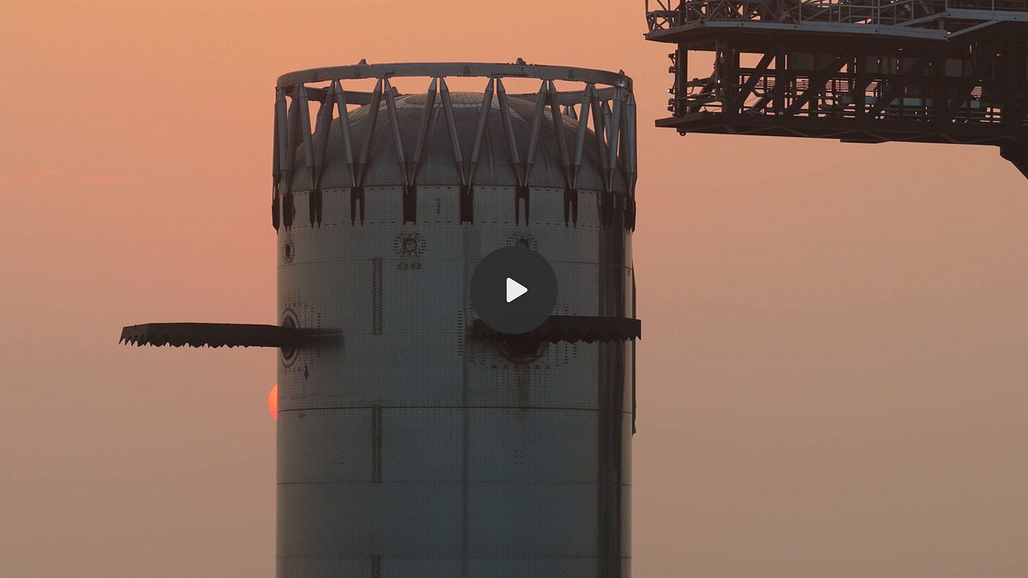
SpaceX announced Starship’s twelfth flight test, set to debut next-generation Starship and Super Heavy hardware, updated Raptors, and a redesigned launch pad at Starbase. The footage is classic SpaceX: stacked steel, night work, and test-fire drama.
Even for people who don’t track every flight, the pace matters. The programme is trying to turn heavyweight launch into something closer to routine.

Robotaxi economics meets its unglamorous problem: pitstops
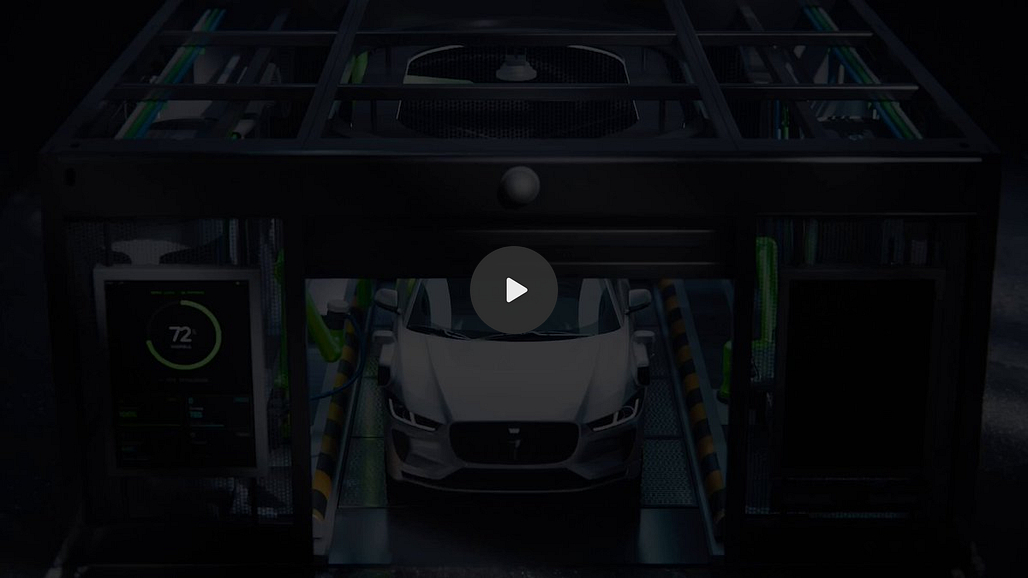
Y Combinator spotlighted Aseon Labs, which is building modular robotic depots for autonomous fleets to charge, clean, and inspect vehicles near where they operate. It’s aimed at cutting “dead miles”, the empty driving to faraway depots that quietly wrecks utilisation.
Self-driving demos grab attention, but fleet operations are where the costs hide. A boring fix can be the difference between a viable service and a money pit.

Designers get a new reference library for AI agents
A meme from @Abmankendrick captured a real mood: designers perked up at Mobbin’s MCP, which lets agents search hundreds of thousands of real app screens and flows. The promise is not “make it pretty”, it’s “stop guessing” by grounding suggestions in patterns people already ship.
If AI is going to propose UI work, it needs taste and precedent, not just code. Tools that point to actual products might be how that gap narrows.


Would you let an AI charge your card?
@MKBHD asked the simplest question with the biggest consequences: would you trust an AI to make a purchase in one click using your credit card? The replies leaned sceptical, with people worrying about wrong tickets, wrong dates, or an assistant confidently doing the wrong thing.
It’s a reminder that “agentic” features are not just a tech upgrade. They need new trust cues, clearer guardrails, and better failure handling than most people have seen so far.


Saylor wants $STRC dividends paid twice a month
Michael Saylor urged holders to back a vote to move $STRC dividends from monthly to semi-monthly payments. The stated aim is calmer price action around ex-dates and a steadier trading rhythm around the $100 par value, without changing the annual maths.
It’s a niche governance tweak, but it shows how much attention these crypto-adjacent yield products put on market microstructure and habit-forming payout schedules.


Trump, Iran, and a quote that travelled fast
@Acyn posted a clip of President Trump saying Americans’ financial situation is not motivating him in talks linked to the ongoing conflict with Iran. In a period where war pressure shows up at the petrol pump and in prices, that line landed like a provocation.
Regardless of where people sit politically, it’s the sort of soundbite that hardens views because it reads as a values statement, not a policy detail.


Air Force One packed with corporate clout on the way to Beijing
ZeroHedge framed Trump’s flight to Beijing with a loaded image: a plane full of CEOs representing trillions in market value. The names mentioned are a who’s who of US capital and tech power, and the implied goal is market access and deal-making.
It’s also a reminder that geopolitics is not just diplomats, it’s supply chains, chips, aircraft, and boardroom relationships, all riding the same currents.


A hazmat scene, a stray pedestrian, and the internet’s dark humour reflex
@MattWallace888 shared a clip where a man wanders into a scene involving hazmat-suited personnel during a medical evacuation operation linked to the MV Hondius hantavirus outbreak. The moment plays as absurd on camera, which is why it spread so fast.
Underneath the memes is a familiar dynamic: online audiences process scary news through comedy first, then argue about what’s real later.