



Overview
Today had a clear thread running through it: scale and spectacle. SpaceX pushed both its rockets and its ambitions for AI in orbit, Starlink’s performance numbers kept climbing, and Tesla quietly marked the end of an era on the factory line. Elsewhere, money and attention moved in familiar ways, from China stacking gold to pop culture and brand rights colliding in court.
The big picture
It feels like we’re watching two futures being built at once. There’s the physical one, measured in satellites, rockets, factories, cement and gold reserves. Then there’s the digital one, where autonomous coding agents and AI-made learning tools are becoming normal enough to fit around nap time. The interesting bit is how often those worlds now overlap, with space infrastructure starting to sound like a cloud product roadmap.
SpaceXAI points to data centres in orbit, not just rockets
@SawyerMerritt spotted a new SpaceX trademark filing for “SpaceXAI”, and the description reads like a plan for satellite-based data centre services and orbital computing. If this is where things are heading, Starlink stops being just connectivity and starts looking like the delivery layer for computation too.


Starship V3 stack shows Starbase getting ready for the next leap
SpaceX shared the first look at Starship and Super Heavy V3 stacked together at the launch pad. It’s a simple milestone on paper, but visually it lands like a statement: hardware is moving, integration is happening, and the next test flight feels closer than the usual rumour cycle suggests.


Starlink’s US speeds hit a new high, and it is starting to look like plain broadband
@XFreeze highlighted Ookla data showing Starlink’s median download speeds topping 100 Mbps in 49 states. For anyone who grew up treating satellite internet as a last resort, the tone has changed. The conversation now is less “can it work?” and more “how far can they push it as the network scales?”


Tesla closes the Fremont chapter for Model S and Model X
Tesla posted that the last Model S and Model X have been produced at Fremont, ending runs that shaped what people expect from an EV. Whatever you think of the company now, those cars set patterns the rest of the industry copied, from software updates to the idea that performance could be the default.


China keeps buying gold, and the streak is the story
@KobeissiLetter reported the PBOC bought another 8 tonnes of gold in April, extending a long monthly run of purchases. The headline is a single month’s figure, but the bigger read is persistence, a slow, deliberate move towards reserves that sit outside other people’s systems.


China’s cement statistic still breaks people’s brains
@StatisticUrban shared the chart that never fails to spark arguments: China used more cement in 2011-2013 than the US used across the entire 20th century. It’s a tidy way to show what “rapid urbanisation” means when you put it in materials, not GDP charts.


Bronze Age as the peak era of human selection pressure
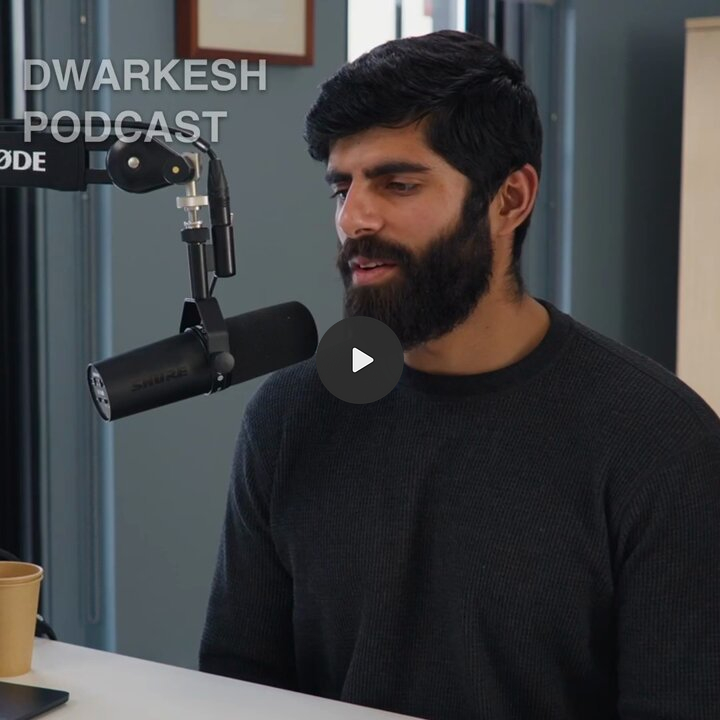
@dwarkesh_sp posted a clip with David Reich arguing that the Bronze Age may have driven stronger natural selection across traits than the agricultural transition or the industrial period. It’s a reminder that “history-changing” does not always look like a single invention, sometimes it looks like dense populations, new diseases, and social systems that quietly reshape who thrives.

AI-made science tools get closer to something you would actually use
@DilumSanjaya’s interactive 3D biology demo is the sort of thing that would have felt like specialist software not long ago. Now it looks like a weekend project with the right models, decent UI taste, and enough patience to polish the experience.


Codex as background labour while you go outside
Sam Altman described kicking off tasks in Codex, spending time with his kid, then coming back to find the work done. That’s the promise people actually care about, not “productivity” as a slogan, but getting time back without the nagging sense you are falling behind.

Dua Lipa sues Samsung over alleged use of her image on TV packaging
@PopCrave reported that Dua Lipa has filed a $15 million lawsuit, claiming her photo was used without permission to sell TVs. These cases keep popping up because packaging and promos still move fast, and the law is not sympathetic to “it was just a mock-up” when a face is part of the pitch.


