
Overview
Today felt like a tug-of-war between runaway AI hype and the gritty realities underneath it: eye-watering private valuations, new image tools, and AI creeping into everything from university work to home infrastructure. In the background, governance drama at OpenAI resurfaced, while space and old-school hardware reminded everyone that not all progress needs a software update.
The big picture
The pace is the story. AI firms are being priced like inevitabilities, compute is being pushed closer to where people live, and students are graduating with AI baked into their entire education. At the same time, public debate is getting sharper: how companies are run, what data centres cost communities, and what we are willing to trade for convenience.
Anthropic’s trillion-dollar mood, via onchain pre-IPO trading
@KobeissiLetter says onchain pre-IPO instruments are implying a $1.2 trillion valuation for Anthropic, up 20% in a week and up 900% since October 2025. Even if liquidity is thin and pricing can be jumpy, it captures the current appetite for “AI exposure” wherever it can be found.


Claude Code limits rise, and everyone tries to parse what it means
@kimmonismus flagged a detail from an Anthropic livestream: higher Claude Code rate limits for paid tiers at no extra charge. The fine print matters though, with people in the replies noting it sounds like faster usage within windows rather than more total allowance.

xAI pushes “quality mode” for image generation on its API
@xai announced an Image Generation Quality Mode for the API, pitching higher realism and better text rendering. The headline number is scale, with the model said to have generated 300 million images through Grok, which suggests this is less experiment and more production pipeline.


AI data centres, but make them domestic fixtures
@Polymarket shared a report claiming Nvidia is partnering to install mini AI data centres on the outside walls of new US homes. If it is real and it works, it is a neat reframing of the data centre fight: distribute compute, use spare residential capacity, and dodge the “not in my backyard” wars that follow big builds.

What people argue about when they argue about data centres
@ThePrimeagen is annoyed that water use dominates anti-data centre talking points, and says critics should focus on noise, electricity and security. The replies show why this keeps sparking rows: local conditions vary, and what sounds like a tidy national stat can feel different when it is your aquifer and your substation.

The OpenAI boardroom saga gets a fresh layer of testimony
@GaryMarcus points to Mira Murati’s testimony in the Musk v. OpenAI case and argues it backs a familiar claim about Sam Altman’s 2023 firing: the core issue was trust and candour, not a sudden safety epiphany. Whatever your view, it is another reminder that governance is still the weak link in “move fast” labs.

The first graduates who had ChatGPT for all of university
@OpenAI introduced its ChatGPT Futures Class of 2026, celebrating students using AI for work that used to require heavyweight resources, from astronomy to disaster response. It is both inspiring and slightly unsettling: the baseline toolkit for ambitious students just changed, and institutions are still catching up.


From “AI helped me map the sky” to “AI helped me cheat on homework”
@willdepue offered the counterpoint story: early GPT-era homework help, accessed through a friend, used daily until the credits ran out. It lands because it is honest, and because it hints at what education has been living with for years, long before official “AI in learning” celebrations.


NASA’s next cargo run, with the dependable rhythm of space logistics
@NASA says it is sending science experiments and supplies to the International Space Station aboard an uncrewed SpaceX Dragon as soon as Tuesday, 12 May. In a feed full of heat and hype, a straightforward launch schedule feels oddly calming.


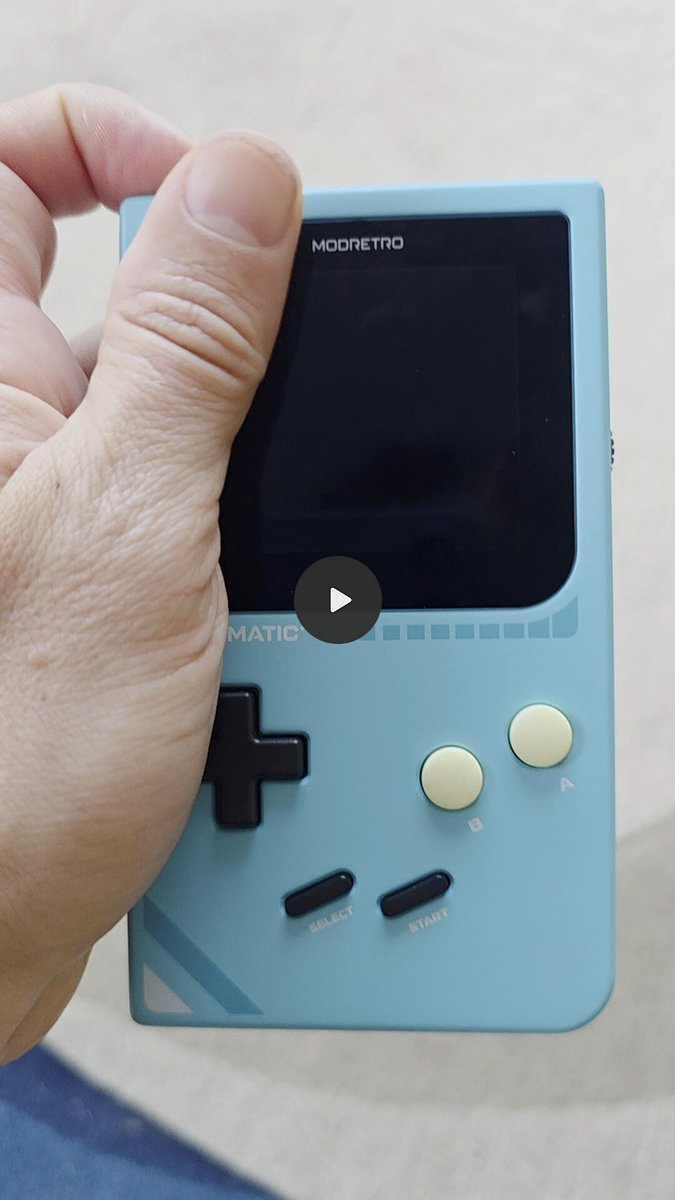
No boot lag, no updates, just Tetris
@dhh praised @PalmerLuckey’s ModRetro Gameboy for how quickly it goes from off to in-game, with none of the modern baggage. It is a small moment, but it nails a real feeling: people miss tools that do the job instantly, then get out of the way.