



Overview
Today felt split between practical AI getting folded into real work, and the internet doing what it always does, turning everything into a game, a pet, or a nostalgia hit. On the serious side, agents are becoming hands-on in commerce and coding, model makers are pitching tool use over benchmarks, and infra teams are still chasing latency wins. Meanwhile, we got a reminder that space launches are routine now, brain-computer kit is still marching forward, and the comments section remains undefeated.
The big picture
The common thread is “software that acts”, not just chats. Whether it’s an agent editing a Shopify catalogue, Codex running a long goal for half a day, or voice agents picking up missed calls for plumbers after 5pm, the direction is clear: fewer prompts, more outcomes. And in the background, distribution keeps changing, scrolling dips, shopping becomes audio, and even your coding tool wants to live on your desktop as a little creature you can wake up.
Shopify meets agents, commerce becomes terminal-friendly
Nous Research shared a Shopify skill for Hermes Agent that reads like a small but important step towards “commerce as code”. It is not a flashy chatbot demo, it is the gritty stuff: products, orders, inventory, fulfilment, webhooks, rate limits, and working through APIs without a pile of SDK ceremony.
If you have ever watched ops teams bounce between admin panels, spreadsheets, and half-broken integrations, this is the kind of tooling that can quietly cut hours off a week, assuming it is audited and permissioned properly.


Grok 4.3 pitches itself as the tool-calling workhorse
Eric Jiang’s thread is a straightforward argument: stop optimising for random benchmarks, build for the day-to-day job. The headline claims are speed, price, and tool calling, plus a massive context window that’s meant to keep longer workflows coherent.
It is also a reminder that “model choice” is turning into procurement maths for teams: tokens per second, cost per million, and how reliably the model sticks the landing when it has to use tools instead of writing prose.


Codex gets long-running goals, and it is already eating hours
Peter Steinberger highlighted Codex’s new /goal feature, showing an agent staying on-task for more than 11 hours. The pitch is persistence: set an objective, let it run, resume later, and stop babysitting every step.
The trade-off is obvious and worth saying out loud: long autonomous runs can burn through tokens and compute. Still, the fact people are even willing to run it that long tells you how much they want “keep going until it’s done” to be real.


Virtual pets arrive in Codex, because status needs a face
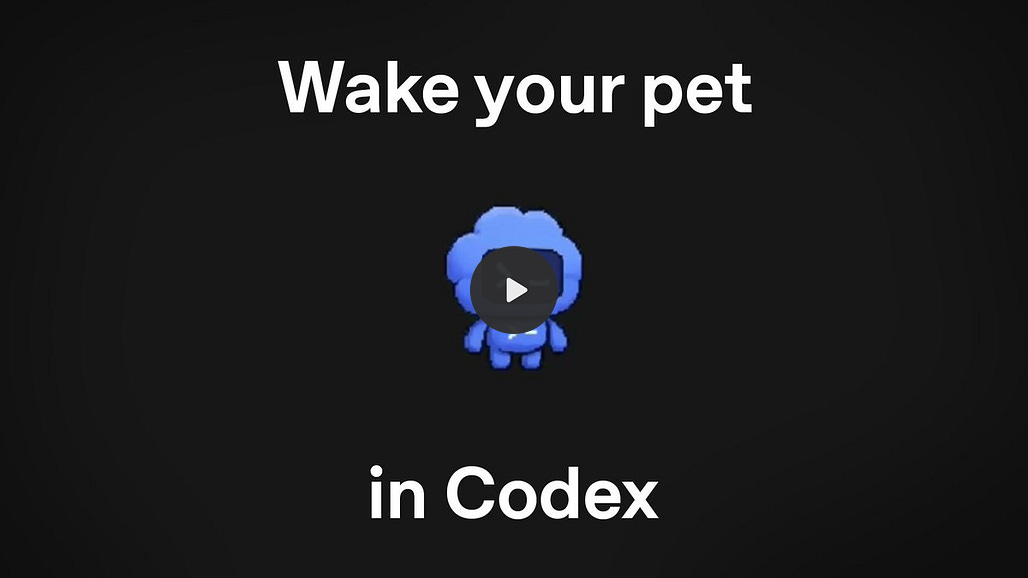
OpenAI Developers introduced “Pets” in Codex, a persistent overlay you can wake with /pet. Under the cuteness, the idea is practical: keep progress and thread status visible while you do something else, without living inside the chat window.
It is also an interesting product tell. As agents run longer, they need calmer ways to sit in the background, like a tray icon with personality, rather than demanding constant attention.

OpenClaw adds ChatGPT sign-in, subscriptions follow you
Sam Altman said you can now sign in to OpenClaw with a ChatGPT account and use your subscription there. That is a neat distribution move: fewer accounts, less friction, and more chances an agent lives on someone’s machine instead of as a web tab.
If local agents are going to stick, this is the sort of boring “plumbing” that matters, identity, billing, and a clean hand-off between ecosystems.

Voice agents for “boring businesses” are turning into the next gold rush
Codie Sanchez pointed at after-hours calls going to voicemail across trades like HVAC and plumbing, and argued a voice agent can pick up the slack overnight. It is a simple wedge: missed calls are missed money, and owners do not need to care about LLMs to care about bookings.
The catch is that this category is already busy, and the hard part is not the demo, it is integrations, reliability, and earning trust from operators who have seen too many tech promises.

Azure-hosted OpenAI models reportedly get a 10x speed-up
Theo claimed Azure customers hosting OpenAI models should be seeing a 10x improvement in latency and throughput, after bug fixes and cache issues. If true, it is a huge deal for anyone paying for “smart” features that users abandon when they feel sluggish.
It is also a familiar pattern: loud public debugging, a provider scrambles, and the rest of the ecosystem, including routers and gateways, starts rebalancing traffic the moment the graphs look better.

Neuralink shows its robot threading electrodes with micron precision
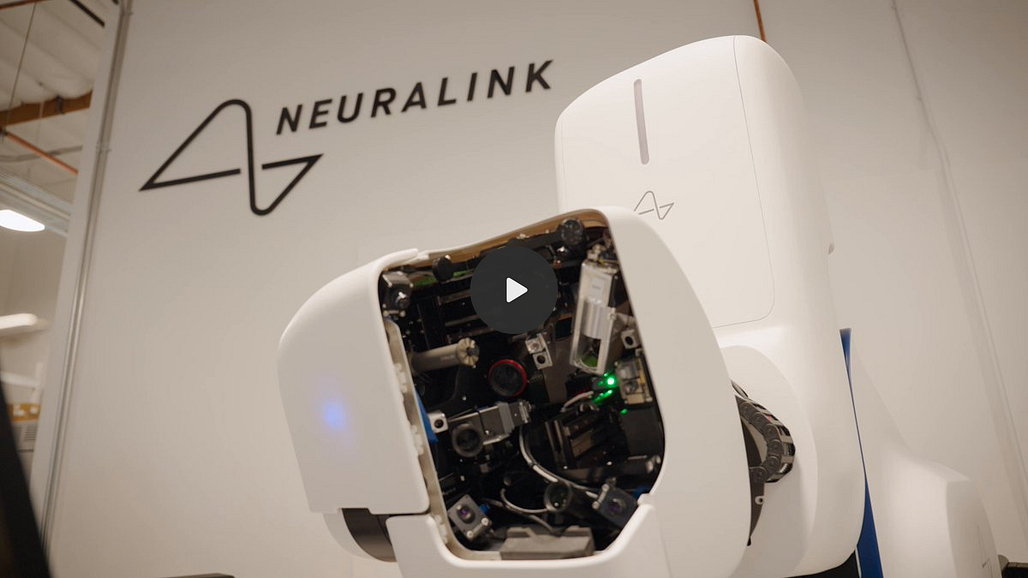
Neuralink posted a clip of its surgical robot inserting ultra-fine threads with thousands of electrodes while avoiding blood vessels and adapting to brain motion. The details matter here because the constraints are brutal: living tissue moves, swells, heals, and changes over time.
Even in a short post, you can feel the long-game engineering challenge: not just implantation, but maintaining stable performance as the brain and body do what they do.

Scrolling is reportedly dropping, and content gets chopped into clips
a16z shared charts suggesting daily scrolling time is down across age groups from a 2022 peak. There are loads of possible reasons, fatigue, regulation, new formats, but the clip economy explanation is hard to ignore: people can get the “best bits” without committing to the full thing.
If attention is fragmenting further, products that assume long, quiet sessions will keep struggling unless they find new hooks, like audio summaries, agents, or content that travels for you.


MrBeast reminds everyone how to hijack the timeline
MrBeast posted a challenge promising $1,000,000 if his tweet had exactly one like in 24 hours, which of course made it impossible instantly. The point was never the prize condition, it was the reflex it triggers: people rush in to participate, argue, plead, and amplify.
It is a clean case study in platform psychology, and a reminder that “engagement” often has nothing to do with information value.


