



Overview
Today was a reminder that the internet’s foundations are being rewritten in real time. Google is pushing Search further towards an AI-first interface and folding shopping into its own cross-service cart, while OpenAI talks provenance and OpenAI itself talks capacity, because compute is still the bottleneck. In the background, GitHub is dealing with an internal security incident, and the talent and money currents around AI keep speeding up, from Andrej Karpathy’s move to Anthropic to new ways for retail to “trade” private companies.
The big picture
The common thread is control of the layer between you and the world: how you search, how you buy, how you trust what you see, and whether the infrastructure underneath is stable. The frontier models are getting more capable by the week, but the day-to-day story is about distribution, verification, and the messy business of operating systems, marketplaces, and platforms at scale.
Google reworks Search around an AI-first box
TechCrunch is calling it plainly: the era of blue links as the default front door is ending. Google’s “intelligent search box” puts the conversation at the centre, with richer suggestions and a more agent-like feel, including proactive tracking and alerts for changes you care about.
It is a design choice with consequences. If answers sit at the top, fewer people click out, and the open web has to fight harder for attention and revenue.


Universal Cart tries to make Google the shopping glue
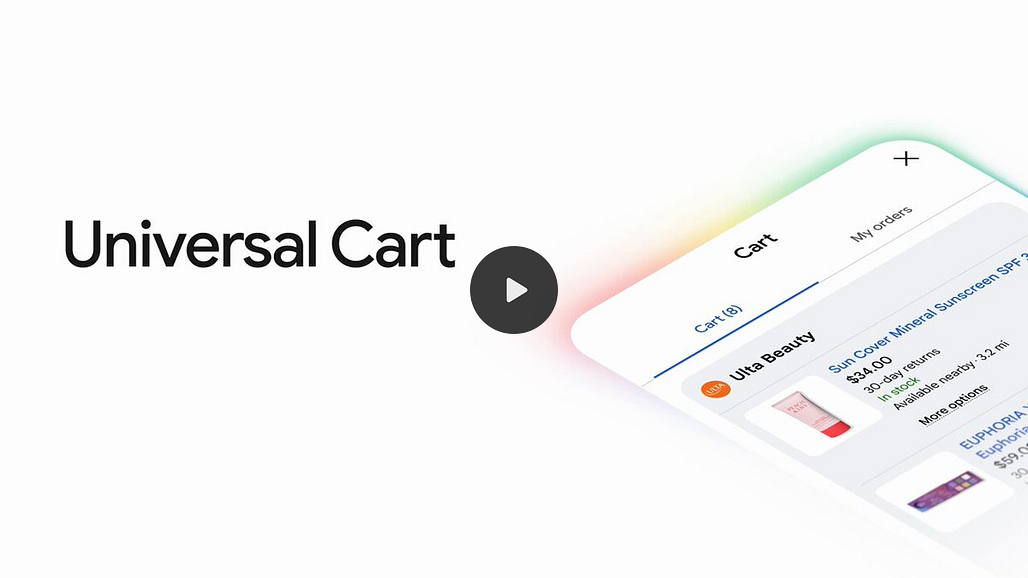
Google also wants your basket to follow you around its ecosystem. Universal Cart is pitched as a single hub where items added from Search, Gemini, YouTube, or even Gmail land in the same place, across different merchants.
The ambition is obvious: if discovery happens inside Google, and checkout does too, the platform becomes the default path from curiosity to purchase.

GitHub investigates unauthorised access to internal repositories
This is the post everyone will be refreshing. GitHub says it is investigating unauthorised access to its internal repositories, and that there is currently no evidence of impact to customer information stored outside those internal repos.
Even without confirmed customer impact, it is the sort of incident that makes teams revisit permissions, secrets hygiene, and what “internal” really means at a company that hosts so much of the world’s code.

OpenAI adds more provenance checks for AI images
OpenAI is adding Google’s SynthID watermark on top of C2PA Content Credentials, plus a public verification tool. The aim is simple: make it easier to tell whether an image came from OpenAI tools and to understand its origin.
This is where the industry is heading: not perfect detection, but layered, checkable provenance that can travel with content.

OpenAI warns the world is still compute constrained
Greg Brockman says OpenAI is offering discounted tokens and guaranteed capacity in exchange for 1 to 3-year commitments. That is a candid admission of what many teams already feel when usage spikes or launches collide: capacity is precious.
It also hints at how AI budgets will be planned, less like software subscriptions and more like reserving industrial supply.


Andrej Karpathy joins Anthropic
Karpathy says he has joined Anthropic and is heading back into frontier LLM R&D, calling the next few years “especially formative”. It is a big signal, not just because of his track record, but because it underlines how competitive the research market has become.
He also flags he still cares about education and plans to return to that work later, which will matter to the many people who followed his teaching as closely as his engineering.

AI video progress moves faster than people’s expectations
Ethan Mollick’s point lands because it is familiar: once something becomes possible, the critique jumps straight to tiny details. He contrasts an older “otter using wifi on a plane” clip with today’s far wilder multi-character scenes, to show how quickly the baseline has changed.
The upshot is not just better visuals, but more coherent action and narrative, which changes what “convincing” means.



Gemini Omni’s editing demos point at the next creative workflow
A practical example of where these models are heading: prompt-driven video edits that respect the original footage. In this demo, a daytime London clip is turned into New Year’s Eve, with fireworks, night lighting, and a changed clock, while keeping the camera movement intact.
That combination, imagination plus continuity, is what makes this feel less like a toy and more like a tool.



Polymarket and Nasdaq Private Market bring “private company exposure” to retail
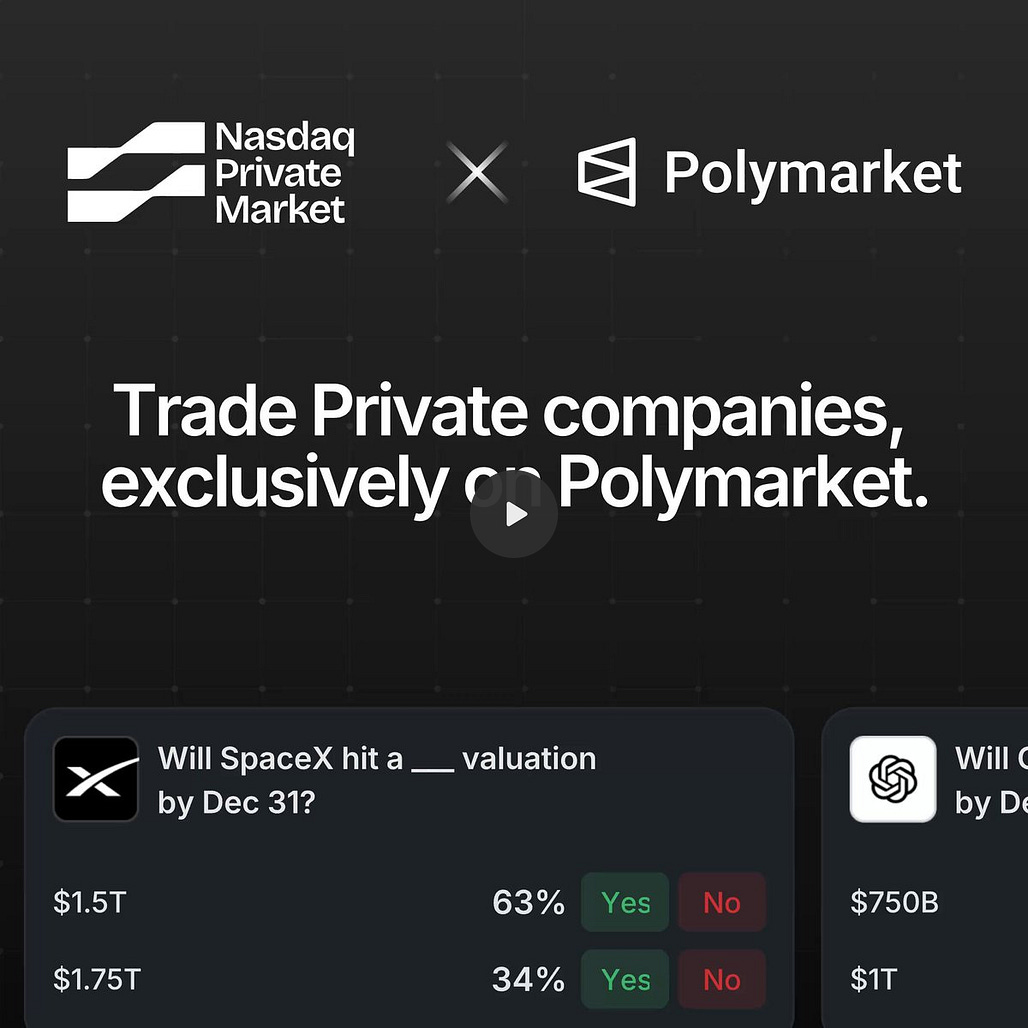
Polymarket is touting an exclusive partnership with Nasdaq Private Market, pitching retail access to private companies through event-style markets. The promise is price discovery and access to names usually gated behind private rounds and accreditation rules.
It also raises the obvious questions about what “exposure” means here, how it tracks real-world outcomes, and how regulators will view the packaging.

Starship V3 rolls to the pad for final testing
SpaceX posted that Starship and Super Heavy V3 have moved to the pad at Starbase for final testing and launch preparations. The V3 label carries its own weight: it suggests meaningful upgrades, not a minor iteration.
If testing goes well, this is another step towards turning “reusable super heavy lift” from spectacle into routine.


