

Overview
Today’s feed swung between power and practicality: big-money questions about jets, oil exports, and who pays to rebuild after conflict, alongside a second thread about where tech is heading next, from humanoid robots to AI models coming out of China. In the background, there was also politics at home and abroad, plus a reminder that sometimes the smartest thing in sport looks like doing less.
The big picture
The mood is a mix of ambition and scepticism. People are happy to talk in moonshots and trillion-pound numbers, but the comments keep snapping back to basics: who’s funding it, who benefits, and what the fine print looks like when the bill arrives.
Private jet reality check, purchase price is only the start
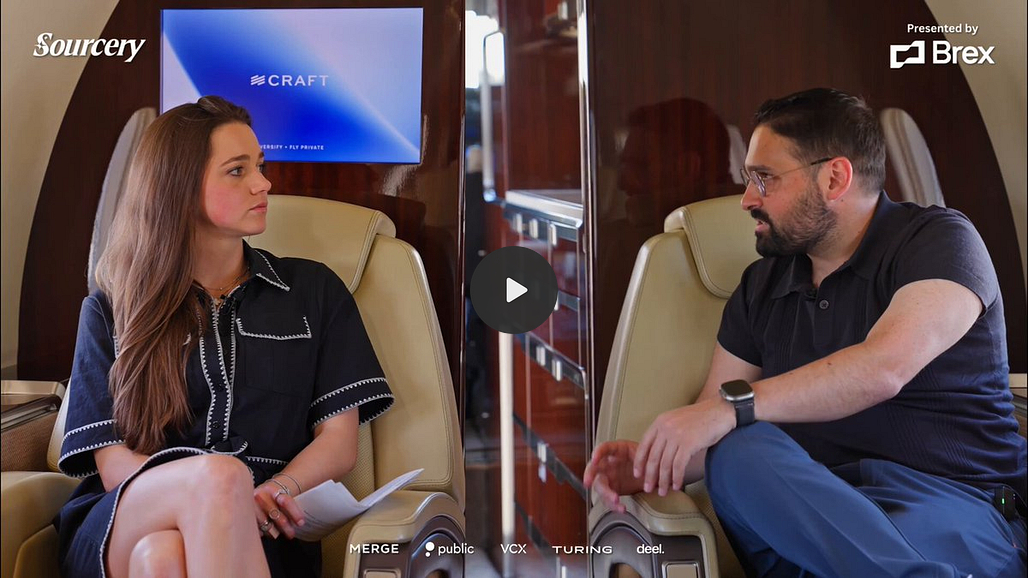
Molly O’Shea laid out the numbers behind private jet ownership in plain terms, and it reads like a guide to hidden gravity. Pre-owned dominates, not because buyers cannot stretch to new, but because new pricing can be punishing, and the running costs keep ticking whether the aircraft flies or not.
The broader takeaway is that “having a jet” is not a single decision. It’s financing, downtime, staffing, maintenance, and a steady stream of fees that make alternatives like charter and fractional ownership look less like compromises and more like sensible first steps.


Who would bankroll Iran’s reconstruction, and what would it really fund?
Bill Ackman questioned the logic behind talk of a $300bn reconstruction fund for Iran, pointing out the obvious gap between the idea and the list of plausible donors. If the US is out, and regional states have fresh reasons to distrust Tehran, the pool of willing backers narrows fast.
He also leaned into a grim, familiar point: money earmarked for civilian rebuilding can still free up other resources for military programmes. Even with constraints on paper, the budget is still a budget.

The US tops Russia as the world’s largest oil exporter, and people still argue at the pump
Kalshi flagged fresh data showing the US has surpassed Russia as the biggest oil exporter, driven by strong output and changing global flows. It is a headline that would have sounded odd not that long ago, but now it is being treated as a new normal.
The replies tell the other half of the story: plenty of people struggle to connect export leadership with domestic fuel prices. “We’re number one” does not mean your commute is cheaper.

Bezos on giving away wealth, and the argument about what counts as doing good
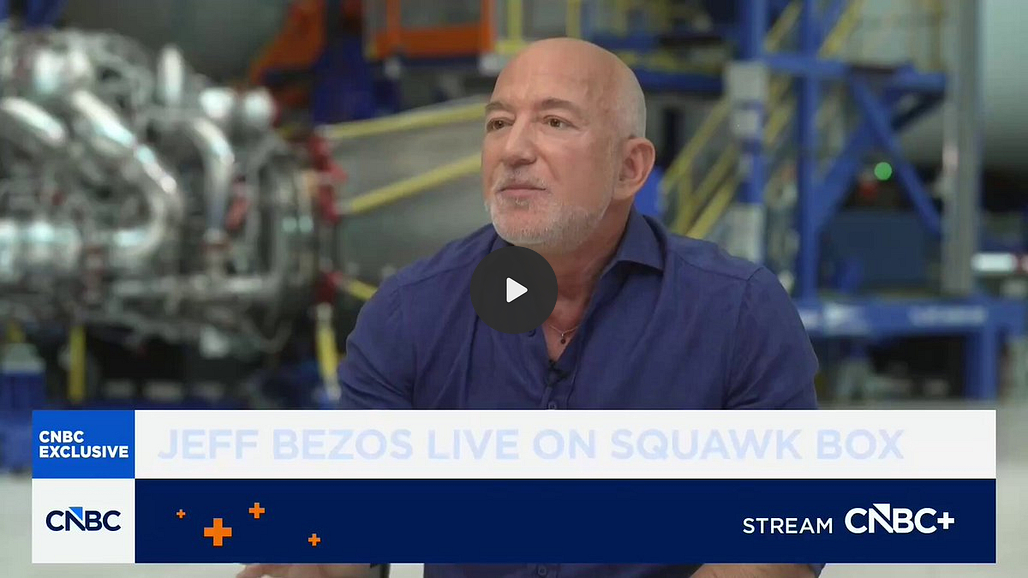
A clip shared by Joe Rogan Podcast News captured Jeff Bezos making a familiar but still provocative claim: he plans to give away most of his wealth, but thinks the bigger benefit to society comes from what his companies build.
That line always splits the room. Some hear a defence of innovation and scale, others hear an excuse that dodges hard questions about labour, market power, and what philanthropy can and cannot clean up afterwards.

Founder wealth, the uncomfortable maths behind the richest lists
Mark Cuban put a sharp question to Grok: for the ten wealthiest Americans, how much of their net worth is founder stock? It cuts through the vague “stocks are unfair” debate and points at something more specific, the degree to which modern mega-wealth is tied to building (and holding) equity in a single runaway company.
It’s also a reminder that “the market” is not a single experience. For founders, it is a concentrated bet on one business. For most everyone else, it’s a pension line item and a headline.


Robots in the billions, Jensen Huang goes further than Musk
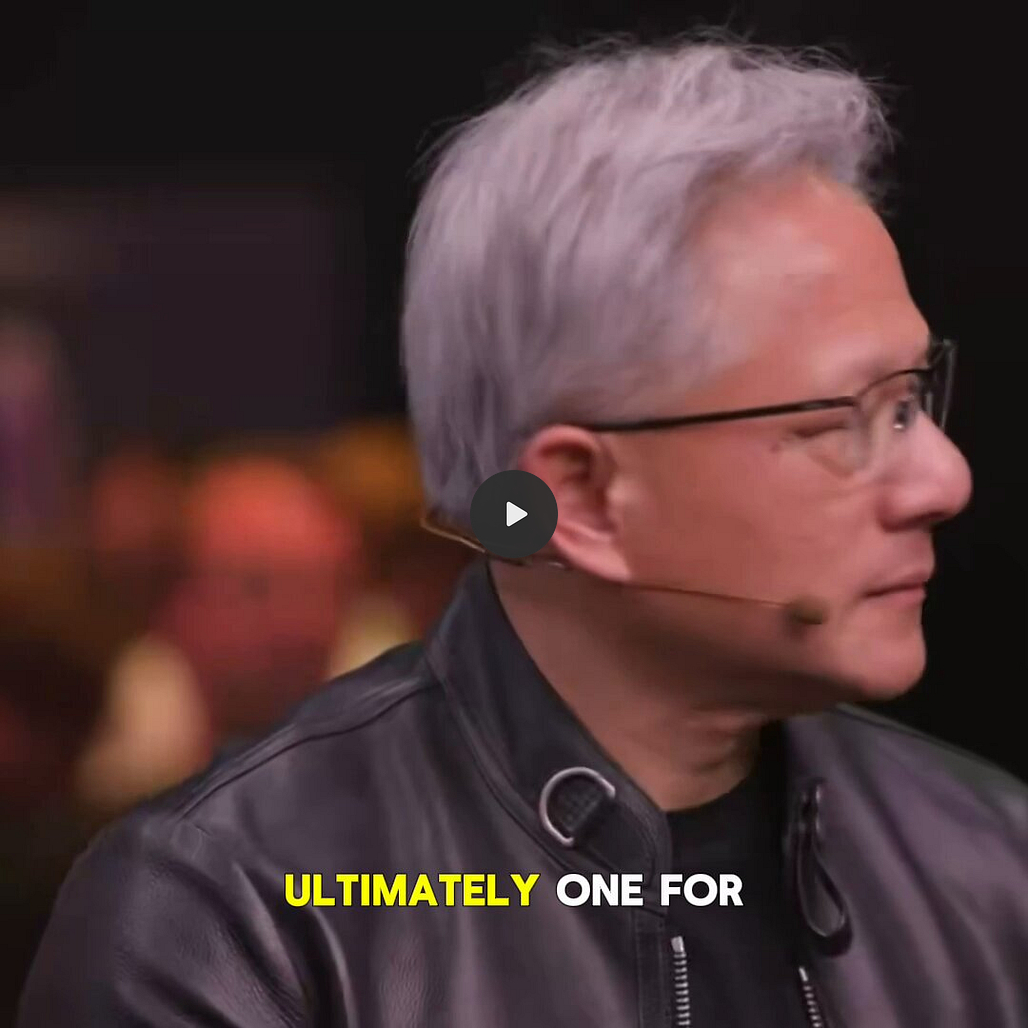
X Freeze shared a clip of NVIDIA’s Jensen Huang reacting to Elon Musk’s idea of one humanoid robot per person, and Huang’s answer was blunt: he hopes there are more. The pitch is factories that run around the clock and a response to labour shortages that are already biting.
It’s also a glimpse of where the big tech firms want expectations to land: not “some robots”, but a world where robotics becomes as common as smartphones, and as economically central as logistics.

China caught up in AI, and developers follow the best open model
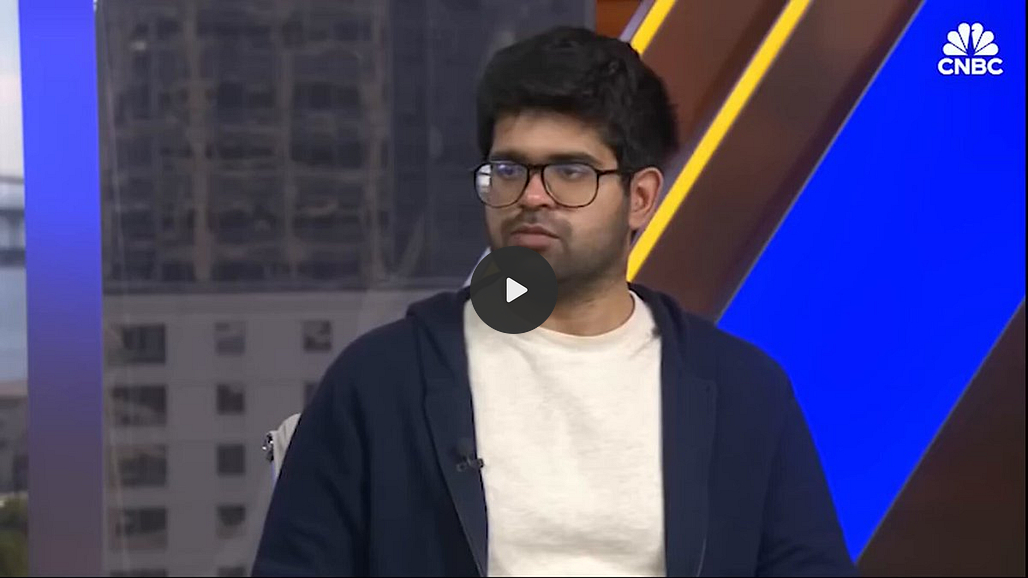
Vadim posted a clip of Perplexity’s CEO arguing that attempts to slow China’s AI progress did not matter, and that the bigger risk is China leading in open-source models. If American developers are building on those foundations, it changes the usual story about who controls the stack.
This is the part that tends to get missed in policy talk: open weights can travel faster than regulations, and adoption can be driven by what works, not who built it.

OpenAI’s Codex team hints the next jump is front-end, not just logic
Tibo from OpenAI said the Codex App was built with models that were only “okayish” at front-end work, and that real progress there will be a turning point. Developers already trust AI for chunks of backend and reasoning, but UI still trips things up.
If that gap closes, it is less about coding faster and more about who can ship complete products without a full team.

Starmer resignation rumours go mainstream, prediction markets pile in
Polymarket pushed out a “breaking” claim that Keir Starmer plans to resign on Monday. It is unverified in the post itself, but the scale of engagement shows how primed people are for drama in Westminster.
The prediction-market angle makes it feel like politics is being treated as a live chart, with confidence levels moving faster than formal statements.

Messi “walking” is the point, Guardiola explains the scan
Trung Phan shared a segment featuring Pep Guardiola reframing the old criticism of Messi walking around the pitch. The gist: he’s not resting, he’s reading. Head movement, constant scanning, tracking the back line, waiting for the moment the game opens.
It’s a neat reminder that effort is not always loud. Sometimes it looks like patience, and it still terrifies the opposition.