



Overview
Today had a clear through-line: the AI boom is putting pressure on old software economics while raising new questions about compute, pricing, governance, and control. Airtable’s sale brought the SaaS reset into sharp focus, agents kept getting more capable, local video models looked stronger, and the public debate around OpenAI grew louder.
The big picture
Airtable’s sale captures the SaaS comedown
Airtable, once valued at $11.7 billion, is being acquired by Bending Spoons at a reported $1.285 billion enterprise value. For a company that raised $1.4 billion and became a flagship no-code name, the deal reads less like a victory lap and more like a marker for how far SaaS multiples have fallen.
The broader story is the post-2021 reset. Growth alone is no longer enough, and the market is being much harsher on companies that raised at peak prices but could not grow into them.


Telegram vanishes from Apple’s App Store
Telegram was reported as removed from Apple’s App Store worldwide, with monitoring showing the app unavailable across all tested storefronts. Existing installs still appear to work, but the lack of comment from Apple or Telegram left plenty of room for speculation.
This has echoes of past temporary removals, where moderation and content issues sat in the background. Until either company explains what happened, the main fact is simple: a major messaging app suddenly became much harder to download on iOS.


The compute bill is becoming the AI economy’s pressure point
Dwarkesh Patel laid out a stark case for why smarter models could push compute prices far higher. The core argument is that AI lab revenue may grow faster than chip supply, while manufacturing constraints around wafers and EUV tools make fresh capacity hard to add quickly.
Patrick Collison’s survey on AI economics fit the same mood. People are trying to put numbers on a decade that still feels hard to model, from GDP growth to robot adoption. The common thread is that AI is no longer just a product question, it is becoming an infrastructure and macro question too.


SaaS pricing faces pressure from both ends
Marc Andreessen’s old advice to founders, raise prices, came back into focus alongside Chamath Palihapitiya’s argument that enterprises may now build more of their own software with AI. Put together, the tension is clear: software vendors want to charge for the value they create, while buyers are starting to ask whether they can replace generic tools with custom workflows.
That is awkward for traditional seat-based SaaS. If agents can operate across systems and produce internal tools faster, renewals may face tougher scrutiny than they did during the last software cycle.

Hermes Agent gets a major open-source release
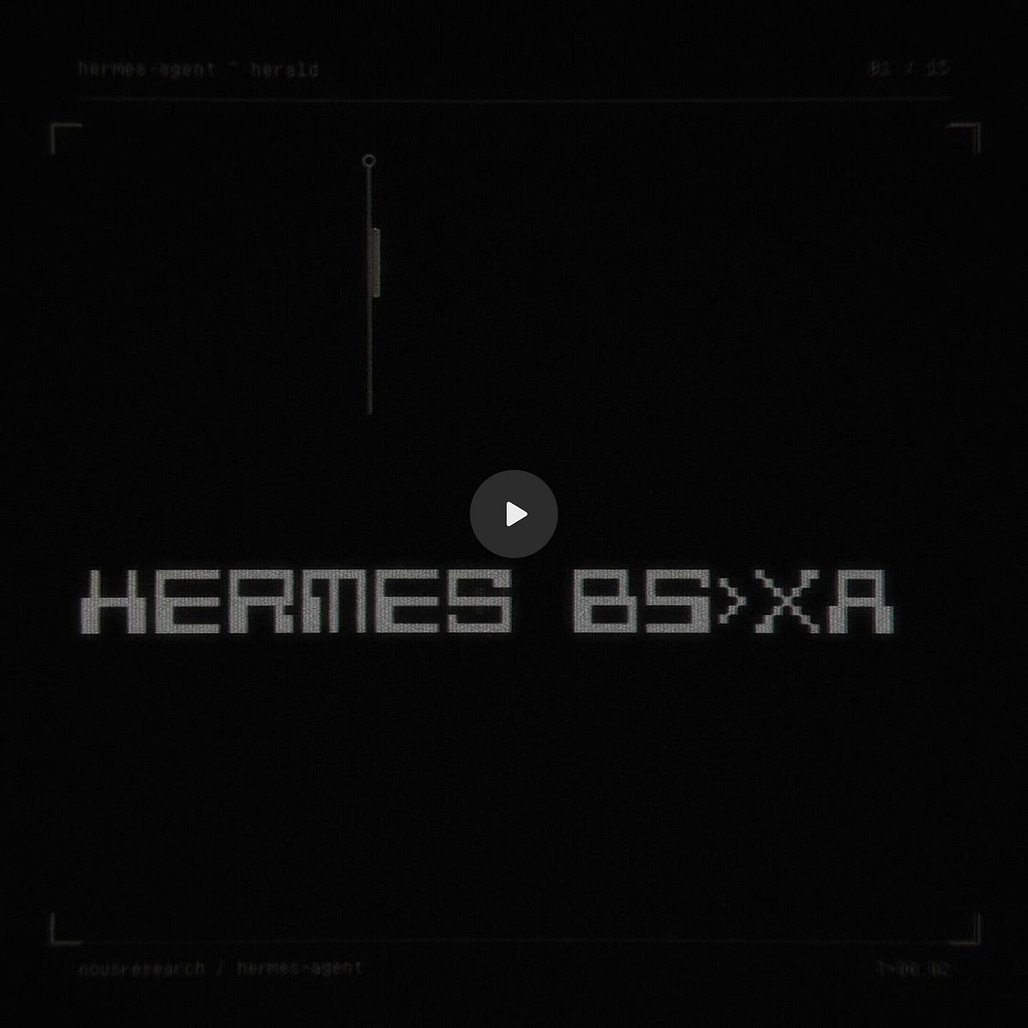
Nous Research released Hermes Agent v0.20.0, known as the Herald Release, with voice chats, agent-to-agent protocol support, outbound webhooks, desktop plugins, grounded research, and stronger local model reliability.
The release points to a growing appetite for agents people can run and inspect outside closed platforms. Voice assistants, research tools, desktop workflows, and automation are starting to sit in the same product surface.

Coding agents are moving beyond the laptop
Cursor said its Cloud Agents are now 20 to 30% more token efficient, and 80% more efficient on runs involving computer use. Around the same time, OpenAI’s Codex team was talking about agent harnesses that already feel strong but may look dated within months.
Claude connectors also entered the conversation, with Gmail, Calendar, Slack, GitHub and other linked services becoming available inside Claude Code and Artifacts. The pattern is clear: coding agents are turning into long-running work systems, not just autocomplete boxes.

Local video generation keeps getting harder to ignore
Victor Mustar showed MiniMax-H3 producing high-quality video locally, with a playful cardboard sci-fi demo and a strong “own your AI” message. The model supports text-to-video, image-to-video, and synchronised audio, and is available through Hugging Face tooling.
Local AI still comes with hardware limits, but the direction is striking. More of the creative stack is becoming something people can run themselves, rather than sending every prompt to a remote service.



Gemini Notebook expands for Pro subscribers
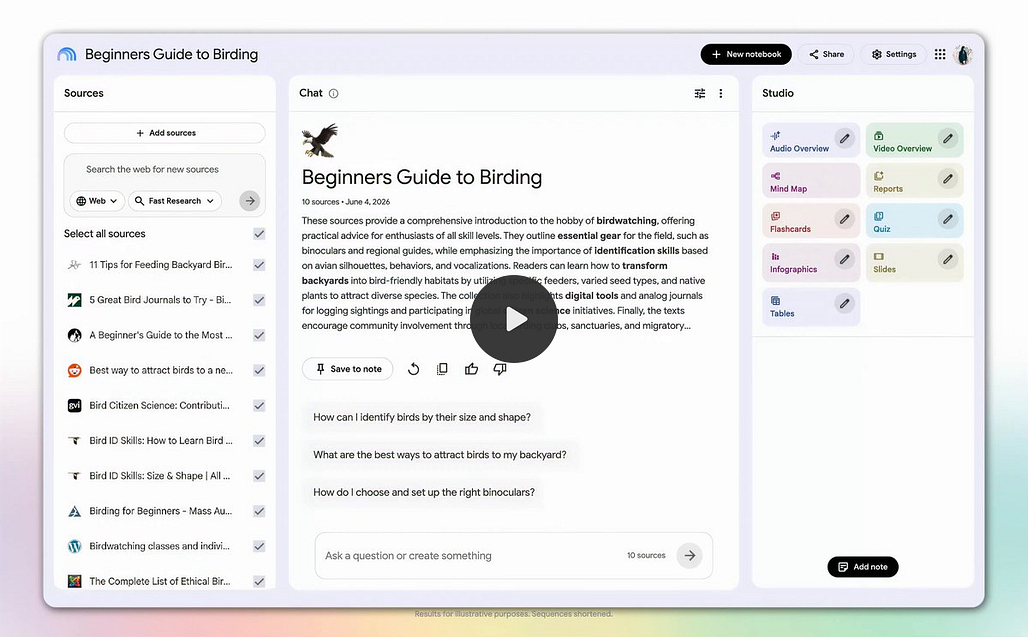
Gemini Notebook rolled out its more capable notebook experience to all Pro subscribers, with examples for study guides, quizzes, reports, competitor research, receipt tracking, and property market modelling.
The product sits in a practical corner of AI: less spectacle, more source-based work. It is aimed at people trying to turn messy documents, notes, and web research into something structured enough to use.

OpenAI faces questions from inside and outside the industry
Theo highlighted a statement signed by more than 1,300 employees from frontier AI labs, including staff from OpenAI, Anthropic, Google, and Meta, calling for international tools to slow automated AI development if oversight cannot keep up.
At the same time, OpenAI drew criticism for a luxury creator trip in upstate New York. These are different stories, but they both land in the same place: OpenAI is no longer judged only by model quality. Its policy stance, marketing choices, and public tone are all under heavier scrutiny.

The TRS-80 turns 49
Jason marked the 49th anniversary of the TRS-80 Model I, launched by Radio Shack in 1977 with 4KB of RAM, 4KB of ROM, a keyboard, black-and-white display, cassette storage, and a $599 price tag.
It was a reminder that personal computing began with humble specs and bold expectations. In a feed full of agents, frontier models, and cloud compute, the TRS-80 post added a welcome bit of perspective.


