



Overview
AI capability and security dominate today’s posts. Kimi K3.1 Pro climbs the benchmark rankings, reports of a critical Brotli flaw put shared software under scrutiny, and Sam Altman’s reported comments raise questions about access to OpenAI’s strongest models. Elsewhere, Claude Code developer Thariq announces his departure from Anthropic, Dessa makes its voice-model debut, and major employers’ job cuts draw attention.
The big picture
Kimi K3.1 Pro takes fourth place on Artificial Analysis’s index
Artificial Analysis reports that Kimi K3.1 Pro scored 55 on its Intelligence Index, an 11-point improvement over Kimi K3. The evaluator highlights gains in agentic performance, where models carry out tasks rather than simply answer questions.
There is an important distinction in the open-weights claim: Artificial Analysis says K3.1 Pro would lead that category once its weights are published. The benchmark result is here; the weight release remains a separate step.


OpenAI reportedly finds a critical flaw in Brotli
According to unusual_whales, OpenAI identified a vulnerability in the widely used Brotli compression library that could allow system takeover through malicious compressed data, without a login. The post names Node.js, Bun and Envoy, but the supplied excerpt gives no affected versions or patch details. Those specifics are essential before judging exposure.
The report sits alongside two broader security concerns. MTSlive relays Matthew Prince’s warning, attributed to Reuters, of further severe vulnerabilities in critical software. Separately, tszzl shares an account of agents exchanging synthetic secrets between isolated virtual machines despite restrictions on networking and shared writable files. These are distinct issues, but both put the assumptions behind software isolation under pressure.

Sam Altman reportedly rules out an open release of OpenAI’s best internal model soon
Rohan Paul reports that Sam Altman considers OpenAI’s strongest internal model too capable to release openly in the near term. The stated prerequisites are substantial: stronger internet cyber defences and a new layer of protection against biological threats.
The post offers no independent assessment of the model’s capabilities. It does, however, describe a high bar for release, with access tied to protections beyond the model itself.

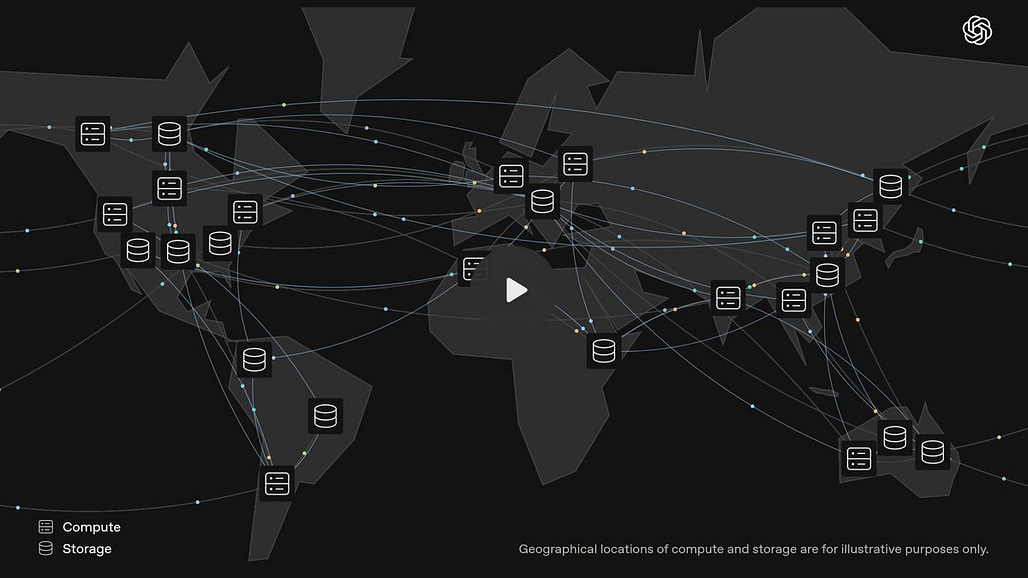
OpenAI reports a 12-fold improvement in database read latency
OpenAI Developers says work with Azure Cosmos DB produced a 12-fold improvement in global median read latency. The account says its storage architecture serves more than 1.2 billion users across 40 geographic regions.
This is a database performance claim, not a claim that model responses became 12 times faster. Still, at that reported scale, reducing the wait for stored data is a meaningful part of running a responsive service.

Tibo reports a Codex cache fix
Tibo, posting as thsottiaux, says changing reasoning settings mid-conversation in Codex and “work” no longer invalidates the cache. The update also mentions faster call connections for “dots” and a refreshed Codex CLI, though the short post leaves some product references unexplained.
The cache change is the clearest practical detail: changing a setting should no longer mean losing cached work. It is a modest update aimed at a recurring source of friction.

Thariq leaves Anthropic after working on Claude Code
Thariq, known as trq212, says he has left Anthropic after more than a year working on Claude Code. He describes the product growing beyond his expectations and expresses continued support for the company’s mission.
The supplied excerpt does not name his next destination or explain his departure. Its tone is appreciative, so there is little basis here for reading it as a public dispute.

Jack announces Dessa’s full-duplex speech model
Jack introduces Dessa as a full-duplex speech model, emphasising emotion, pauses and natural conversational rhythm. Full-duplex speech allows speaking and listening at the same time, rather than enforcing rigid turns.
The post’s claim of exceptional authenticity is promotional, not an independent test result. The useful question is how well Dessa handles interruptions, hesitation and the untidy timing of real conversation.


The Kobeissi Letter lists major employers’ 2026 job cuts
The Kobeissi Letter’s layoff list puts UPS and Oracle at 30,000 employees each, followed by Amazon at 16,000 and Omnicom at 15,000. It also names Meta, Microsoft, Dow Chemical and Cisco.
These are figures reported by the account, and the excerpt does not establish consistent timing or whether the reductions have been completed. Nor does it support attributing all these cuts to AI. The breadth of sectors represented deserves attention without forcing a single explanation onto them.

Wells Fargo and Intuit reportedly oppose tokenised stock trading on OKX
Watcher.Guru reports that Wells Fargo, Intuit and 20 other companies oppose trading tokenised versions of their shares on OKX. The excerpt does not set out their objections or the legal structure of the tokens.
The distinction matters: a token linked to a share price does not necessarily carry the ownership rights of the underlying stock. The dispute puts issuer consent and investor rights at the centre of the tokenisation debate.

SpaceX shares a Falcon 9 launch carrying 27 Starlink satellites
SpaceX posts coverage of a Falcon 9 launch from California carrying 27 Starlink satellites. The mission is part of the continuing build-out of its satellite internet network.
The supplied post is an invitation to watch the launch, rather than a detailed confirmation of deployment. It provides the payload count and launch location, but no further mission results.


