
Overview
Security dominates this edition: Railway disclosed possible access to customer secrets, and urgent patches landed for GitLab, PHP and Node.js. The AI releases brought a different question into focus: how much work should software handle without supervision? Anthropic introduced Claude Duet, Recursive SI released a local coding model, and Google put Gemini into CarPlay navigation.
The big picture
Railway tells customers to rotate secrets after possible breach
Railway says an unauthorised party may have accessed and decrypted customer environment variables, potentially exposing API keys and other secrets. The company paused deployments and builds during its investigation, contacted upstream providers about revoking keys, and advised customers to rotate credentials and inspect service logs.
Some customers say alerts from Anthropic and Stripe arrived before Railway’s public disclosure. Those complaints raise questions about the notification timeline, though the investigation remains ongoing. For anyone hosting applications there, credential rotation is the immediate priority.


GitLab patches a critical flaw affecting years of self-managed releases
The Hacker News reports that CVE-2026-110264, rated CVSS 10.0, could allow unauthenticated remote code execution on self-managed GitLab servers. The reported fault sits in the Onigmo regular-expression compiler used for CI/CD and reaches back to GitLab 7.0, released in 2014.
Fixes include versions 19.5.1, 19.4.3 and 19.3.6, with backports for some older branches. GitLab.com is already protected, according to the report. Teams running their own installation should check the patched release for their branch rather than assume a relatively recent version is safe.


PHP releases emergency fixes for two remote-code-execution flaws
Two critical PHP vulnerabilities discovered with AI tools prompted emergency patches on 21 October. Reporting shared by unusual_whales says the flaws could allow remote code execution without authentication, and some European government websites were taken offline as a precaution. No exploitation in the wild had been reported.
Derek Devicemanager’s widely shared satire captured the operational headache: the server inventory rarely tells the whole story. Patching supported PHP installations is urgent, but finding forgotten applications and unsupported versions can be the harder job.

Node.js fixes ten security vulnerabilities
Node.js also released security updates on 21 October, addressing ten vulnerabilities, including four rated high severity. Mark Gadala-Maria’s summary highlights a Brotli decoding issue that could permit remote code execution, alongside TLS hostname verification and DNS problems.
The listed patched releases are 22.23.4, 24.22.1 and 26.12.1. End-of-life branches do not receive these fixes, making this a migration problem as well as a patching task for teams still running older versions.


A forgotten “Password1” account exposed children’s personal data
A report shared by Polymarket describes a 2024 ransomware attack involving Welsh organisations ONL and Data Cymru. Attackers exploited a test account created in 2012 whose password, “Password1”, had remained unchanged for 12 years. Data belonging to about 3,300 people, mostly children, was stolen.
The ICO reprimanded both organisations over their security failures. Amid the attention on newly discovered software flaws, this is a reminder that neglected accounts and weak password policies can leave sensitive records exposed for years.

Anthropic opens a research preview of Claude Duet
Claude Duet is a new app designed to bring important tasks to your attention, carry out requested work and continue running when you step away. Anthropic says it checks before acting on your behalf. The US-only research preview is available through a waitlist for Pro and Max subscribers.
The app uses Opus 5.5 and connected services to support work such as hiring coordination and daily updates. Early comparisons with ChatGPT Dots focus on price and connector counts, but the more useful test will be whether Duet knows when to proceed and when to ask.


Anthropic releases its first official API version since 2023
Anthropic’s new API version, 2026-10-21, introduces breaking changes without deprecating 2023-06-01. The company plans more frequent version releases so developers can handle interface changes before a new model requires them.
The update removes temperature, top_p and top_k from the Messages API and tightens validation for certain document and citation placements. Updated SDKs and the ant CLI default to the new version, so dependency upgrades deserve a migration check even if an application is not changing models.

Recursive SI releases Flint for local coding
Richard Socher introduced Flint, Recursive SI’s first model, with open weights under Apache 2.0. It uses a mixture-of-experts architecture with 40 billion total parameters and 2.5 billion active, aimed at coding tasks on local hardware.
The team reports more than 125 tokens per second on an M4 Pro MacBook Pro and more than 150 on RTX Spark. It also says its Eureka Machine automated research system helped develop the model in under four months. Those are company-reported results, but the open release gives developers a way to test the speed and coding quality on their own projects.


HeyGen puts Voice Turbo at the top of a speech leaderboard
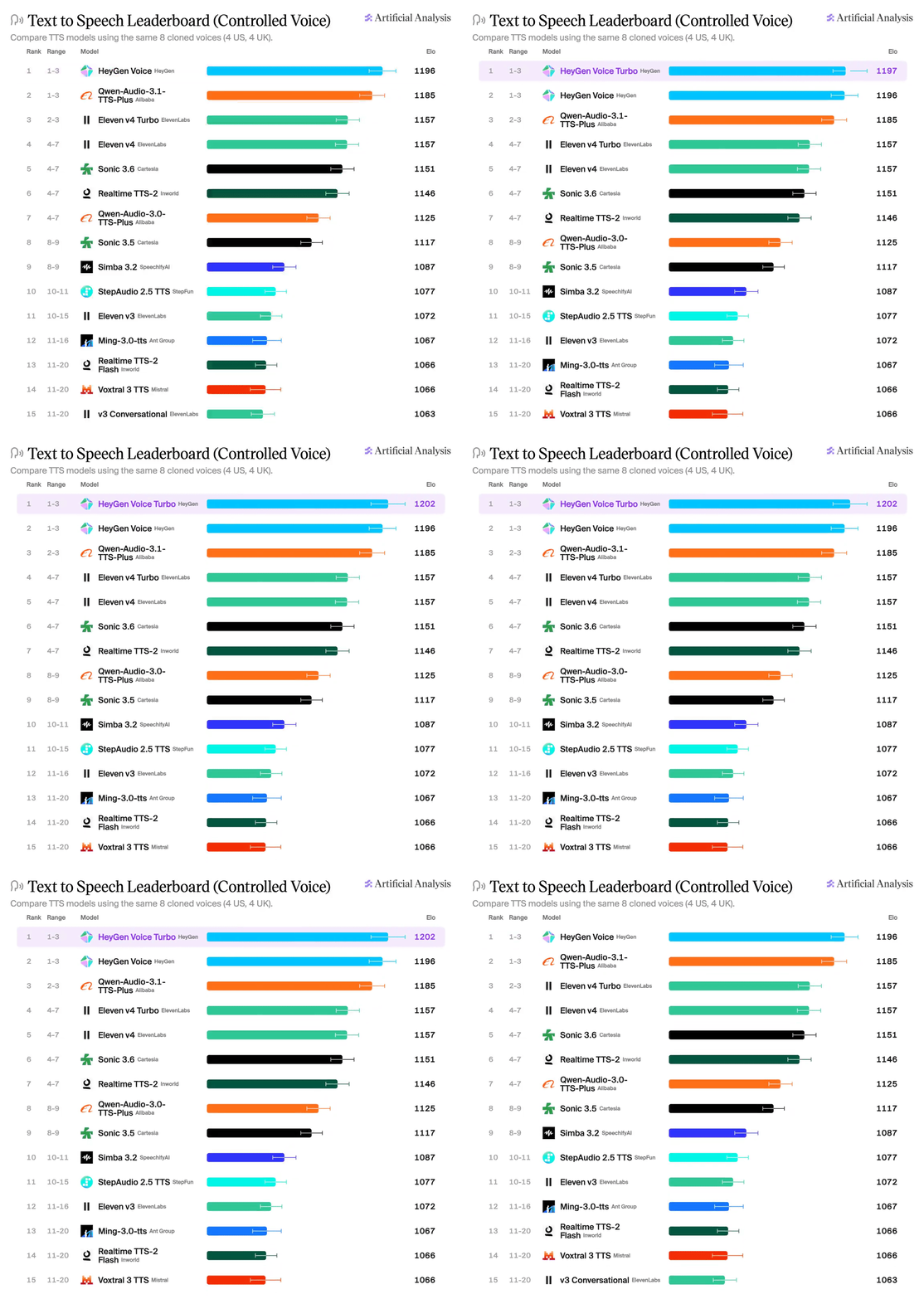
HeyGen says Voice Turbo and HeyGen Voice hold first and second place on Artificial Analysis’ Controlled Voice text-to-speech leaderboard. The ranking uses blind listener preferences with matching cloned US and UK voices, giving the comparison a more controlled basis than unrelated voice demos.
Turbo is the faster, cheaper option, priced at $4 per million characters. Its API endpoint is free until 30 November 2026, offering developers a window to judge pronunciation, latency and consistency beyond the leaderboard score.

Google adds Gemini to Maps navigation on CarPlay
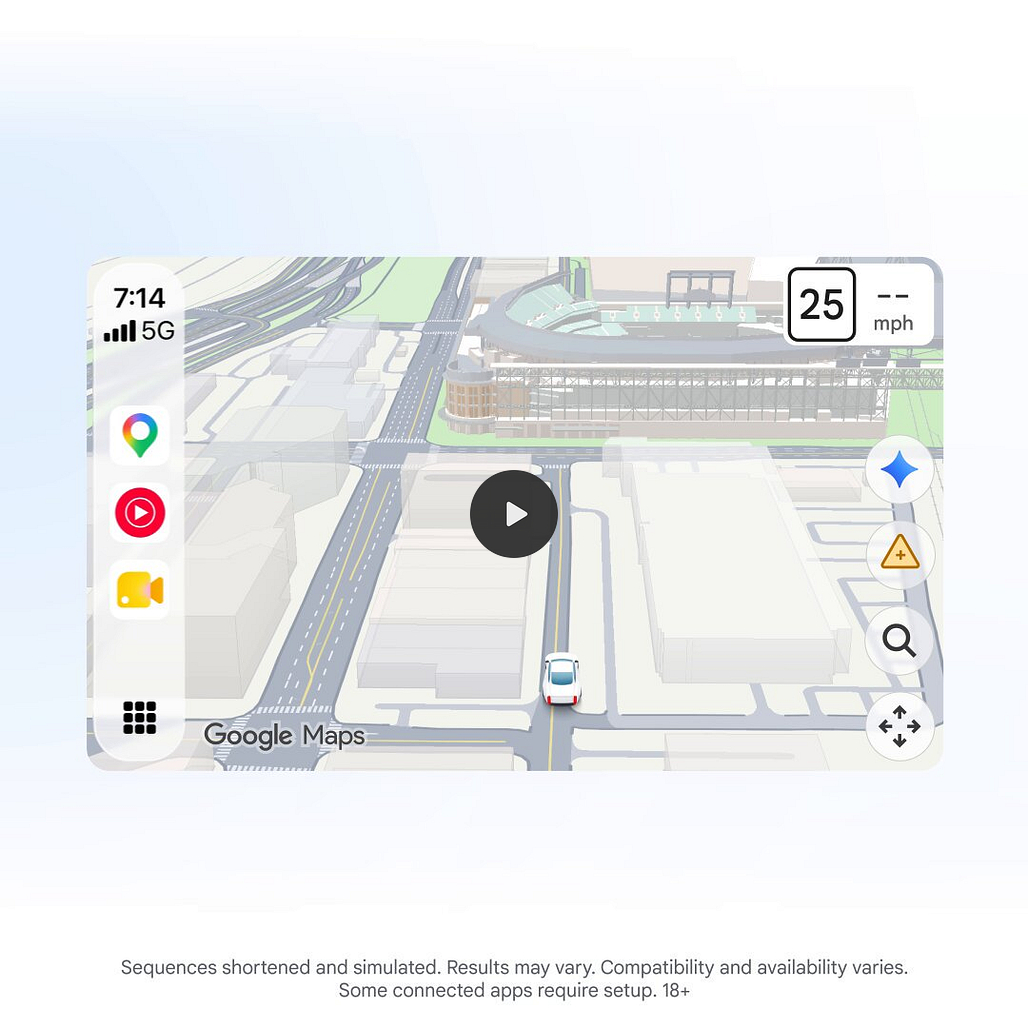
Gemini is now available inside Google Maps navigation on CarPlay. Drivers can ask conversationally for parking, report traffic incidents or request route changes rather than work through menus.
Google’s demonstration includes finding a park with a skyline view, checking opening hours and changing a route to avoid tolls. These are practical uses for a voice assistant, though road noise, ambiguous requests and distracting responses will be important tests outside a prepared demo.