



Overview
AI dominates today’s posts, but the useful questions go beyond which model is winning. Anthropic’s reported usage growth sits alongside experiments in agents that can change their own working rules, new illustration tools and advice on getting more from AI. Elsewhere, there are warnings about data-centre financing, a revealing Revolut investor story and a 33-engine test from SpaceX. The closing tech-support tale offers a welcome return to simpler problems.
The big picture
Peter Walker reports a 3.6-fold rise in Anthropic token volume
@PeterJ_Walker shares OpenRouter figures showing that the seven-day average token volume for Anthropic models has grown 3.6-fold since Opus 5.5 launched. That is a more concrete measure than the enthusiastic posts about people moving to Claude, though it covers OpenRouter traffic rather than Anthropic’s entire business.
@AndrewCurran_ describes unusually strong interest on his feed, and @Tech_girl celebrates the model’s staying power. Separate claims about Fable 5.5 reaching major enterprise clients remain unverified in the supplied posts. Usage growth, personal preference and benchmark leadership are different things, even when the conversation treats them as interchangeable.


RoundtableSpace shares an agent harness that can edit itself
According to @RoundtableSpace, the newly open-sourced Octopus OS lets agents modify their own harness during a task. The reported project contains 45,000 lines of Rust and took eight months to build.
Changing the framework that governs an agent’s work is a bigger step than changing its output. It raises practical questions about permissions, testing and undoing mistakes. @mattpocockuk’s separate call for agent-focused languages with strict verification offers a useful counterpoint: more freedom to act makes reliable checks more important.


Jakub Krehel adds a technical illustration skill
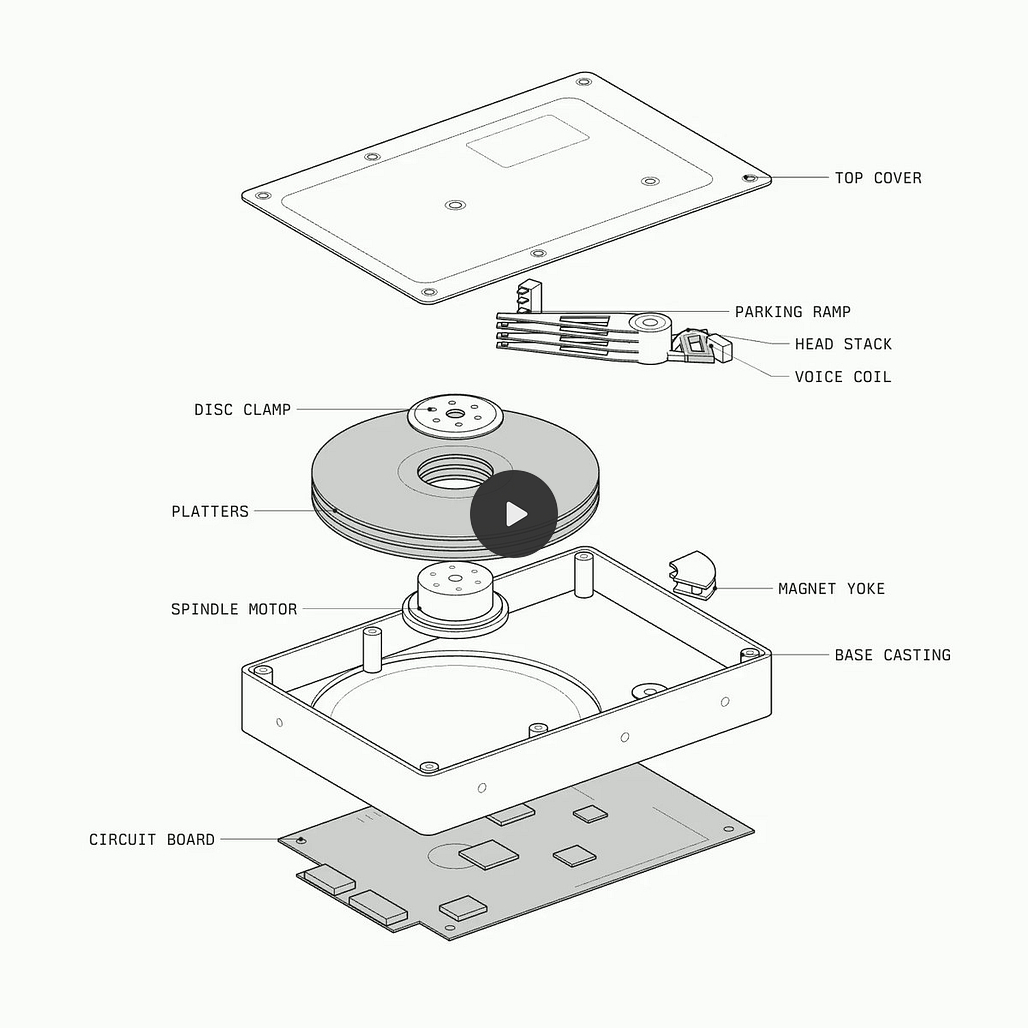
@jakubkrehel’s new /teardown skill creates technical illustrations with editable parts, colours and annotations, then exports them as SVG or PNG files. It is a specific, practical addition to the growing collection of agent skills.
The editable output is the appealing detail. For documentation or design work, being able to correct a label or adjust a component matters more than getting an impressive first image. The post does not establish the illustrations’ technical accuracy, so those details still need checking.

Ethan Mollick asks people to set AI harder tasks
@emollick suggests repeatedly asking how a task could become more ambitious. Keep going until the model reaches a limit or demonstrates a capability you had not expected. It is a practical alternative to assuming that your first attempt reveals everything a tool can do.
@txbrraa’s popular reaction to watching two Anthropic engineers use Claude Code captures the same learning gap. Seeing an experienced practitioner work can expose habits worth changing. Broader experiments still need clear checks on the results.

Dassie Spivack warns against silence after a breach
Drawing on experience helping hacked companies, @DassieSpivack argues that the cover-up often causes more damage than the breach. The recurring instinct is to wait for more information, more certainty or the perfect response.
That is a personal observation, not a measured failure rate, but the tension is familiar: teams need to investigate without leaving affected people uninformed. Acknowledging what is known, what remains uncertain and when an update will follow does not require pretending the investigation is finished.

Polymarket reports Musk’s warning about AI cloud providers
@Polymarket reports that Elon Musk expects most of the more than 200 AI neocloud companies to fail or consolidate, citing tighter debt funding for data centres. @Yuchenj_UW also discusses the prospect of widespread consolidation.
These are predictions, not evidence that those failures have happened. The underlying question is worth watching: growing demand for AI does not automatically make each infrastructure provider financially sound. Financing costs, customer commitments and equipment utilisation still count.

Nik Storonsky recalls refusing an investor’s demand to fire a colleague
In a clip shared by @davidsenra, Revolut founder Nik Storonsky says an investor wanted his best employee dismissed for being “too hardcore”. Storonsky refused.
@alanchanguk supplies a striking companion account: at Revolut’s Series D closing dinner, an investor admitted trying to get him fired, then apologised. Together, the accounts illustrate a founder-investor disagreement over a colleague’s value. They do not settle the broader question of where demanding standards become damaging behaviour.


SpaceX fires all 33 Super Heavy engines before Flight 15
@SpaceX reports a full-duration static fire of the Super Heavy booster’s 33 engines in preparation for Flight 15. It is a ground test, not a launch, but a substantial piece of preparation for the next flight.
The footage gives this digest its most literal demonstration of hardware under pressure. The post does not provide a launch date or a detailed test assessment.


Bryan Johnson lists habits intended to reduce microplastic exposure
@bryan_johnson recommends glass or steel water bottles, avoiding microwaving food in plastic, wooden chopping boards, reverse osmosis filtration and loose-leaf tea brewed with stainless steel mesh.
It is an accessible checklist, but the post does not quantify how much each change reduces exposure or establish a resulting health benefit. Treat it as a set of suggestions to assess, rather than a proven route to better health.

Youko recounts a screen repair resolved by a restart
@YoukoTsuki describes a customer returning to challenge a screen-repair quote because ChatGPT had suggested a lower price. The technician restarted the machine, and the apparent burn-in disappeared. The customer’s explanation: it must have been scared.
The anecdote does not establish what caused the display problem. It does, however, supply a suitably modest ending to a day of ambitious AI claims: sometimes the decisive intervention is still a restart.


