

Overview
Today had two clear threads running through it: big, buzzy AI progress (and the hype, pricing, and safety questions that come with it), plus a neat mix of practical builder tools and a reminder that some industries still run just fine on phones, paper, and fax machines. Meanwhile, Artemis II kept the space crowd smiling, and web developers found a new toy that makes the browser feel like a game engine.
The big picture
There’s a growing split between AI as a day-to-day tool for coding and design, and AI as something that can poke at the foundations of security. That tension showed up everywhere: benchmark chest-thumping, careful maths about revenue claims, and a sense that access to frontier models is becoming as much about governance as it is about product.
Artemis II morale, and a small lesson in eye safety
NASA shared a moment that felt human in the best way: the Artemis II crew inside Orion, wearing eclipse glasses during a rare alignment. It’s a fun clip, but it also underlines how strict the basics still are in spaceflight, even when you’re tempted to do the astronaut version of looking out of the window.


Behind every moon mission is an unglamorous army
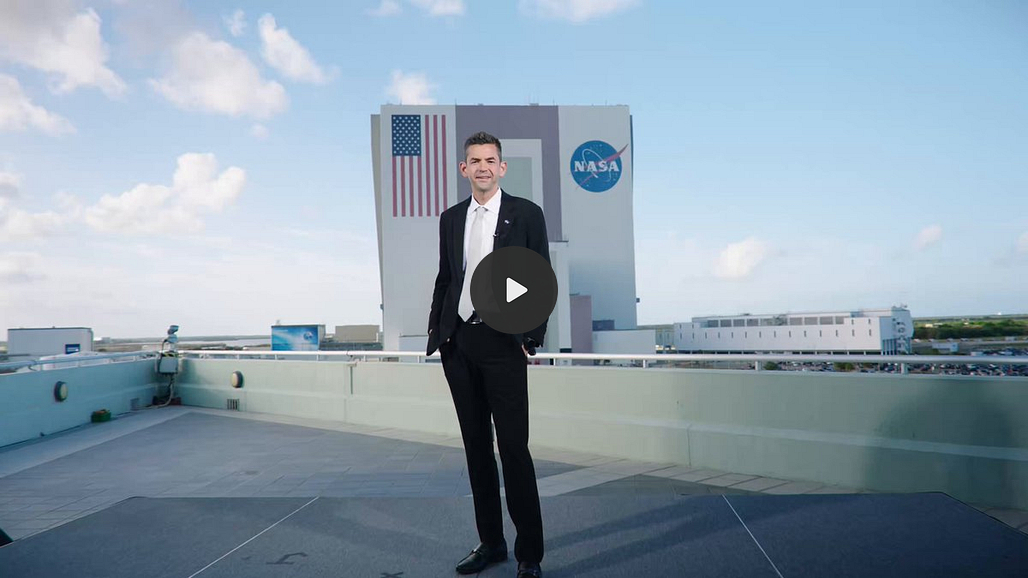
Jared Isaacman used the Artemis II run to point the spotlight away from the capsule and towards the teams who built, launched, track, and will recover it. It’s a timely reminder that “historic” moments are usually the end result of thousands of routine, disciplined jobs done well.

Project Glasswing, and why Mythos has people spooked
Anthropic’s Glasswing effort landed with the sort of language you normally only hear around platform changes: Alex Albert called it the most consequential thing he’s seen up close. The subtext is clear, if uneasy, AI systems that can find vulnerabilities and build exploits are no longer a theory, and the industry is rushing to keep that capability pointed at defence.


Mythos benchmarks set the tone for “agentic coding” expectations
Benchmark posts are always part celebration, part provocation, and this one did the job. The chatter around Mythos Preview isn’t just about raw scores, it’s about what “normal” performance will look like for tools that act more like junior engineers than autocomplete.


Token maths reality check: Meta’s usage does not equal a third of Anthropic’s revenue
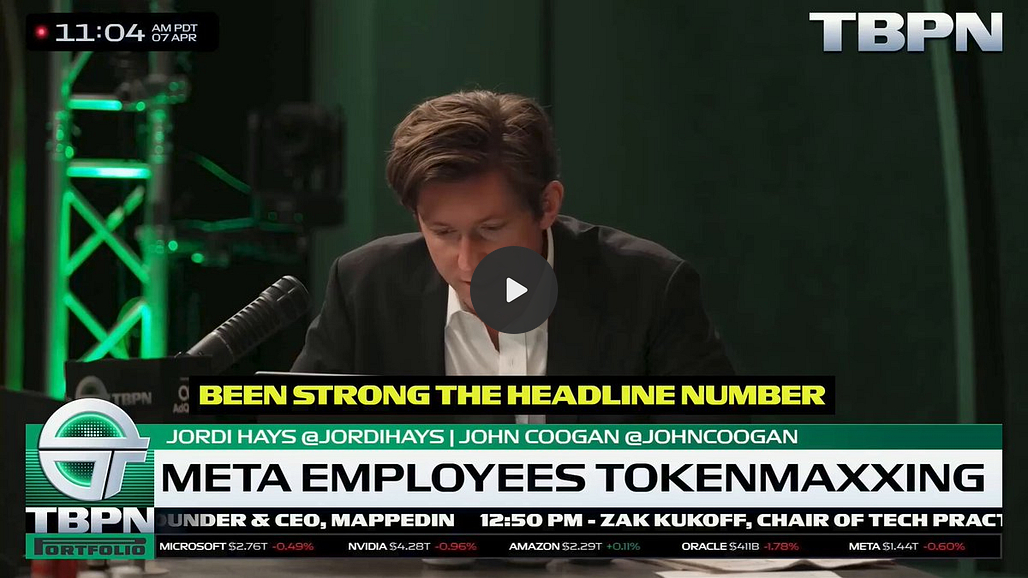
TBPN took a viral claim and did the unglamorous bit, the arithmetic. The key point is simple: if you assume everything is expensive output tokens, you can make any enterprise usage chart look like a money printer. Real workloads tend to be dominated by cheaper input, cached tokens, and boring ratios that ruin a good screenshot.


Codex hits 3 million weekly users, and OpenAI loosens the taps
Sam Altman’s update was short, but the signal is big: coding assistants are now mass-market, not a niche developer luxury. Resetting usage limits is a small celebration, but it’s also an admission that demand spikes are now part of the weekly rhythm.

Cursor’s Design Mode: point at the UI, then change the code
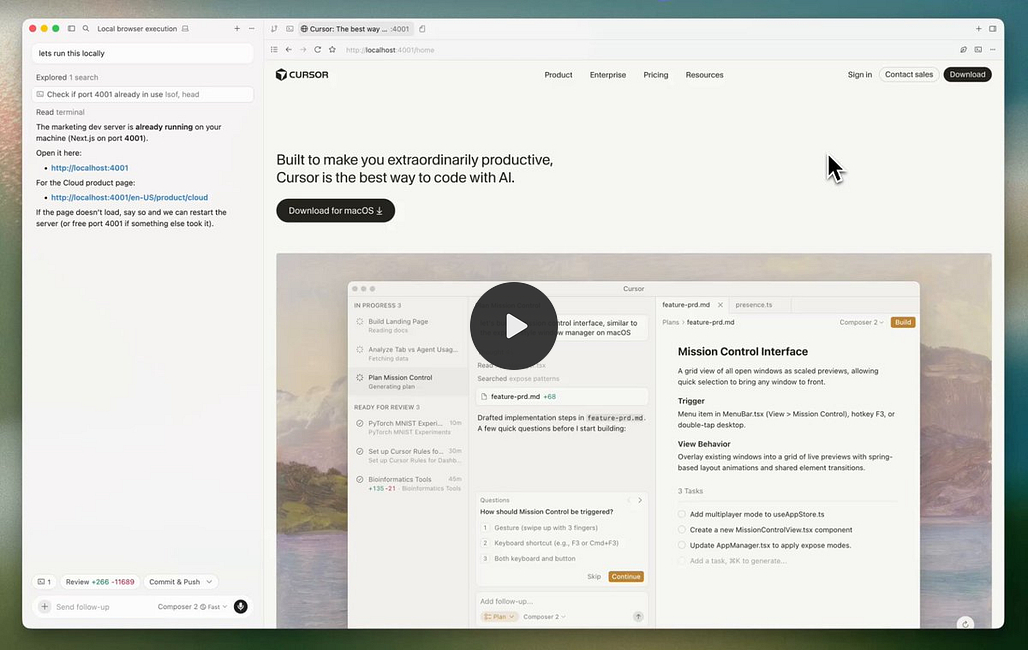
This is the kind of feature that sounds obvious after you see it. Cursor 3’s Design Mode lets you click the thing you mean in the browser, annotate it, and send that intent back into code changes. For frontend work, that tighter loop can remove so much back-and-forth that teams might start describing tasks in pixels again, not paragraphs.

shadcn adds “apply”, and theming gets dangerously fast
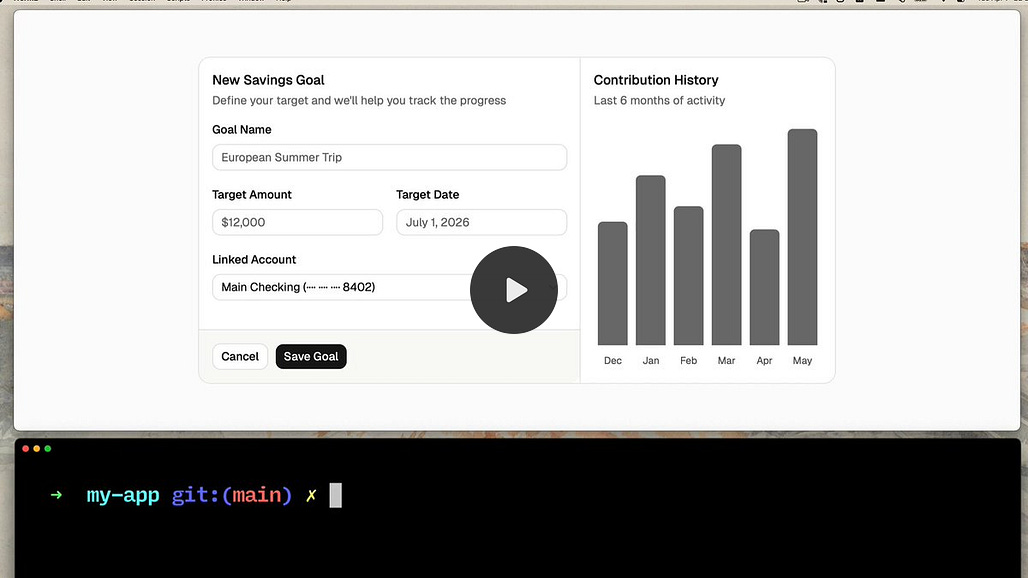
shadcn’s new npx shadcn apply command is the sort of tooling that makes redesigns feel reversible. Swapping themes, colours, fonts, icons, and components across a project in one go is catnip for anyone who’s ever had to keep a design system consistent under deadline pressure.

HTML inside canvas is the web getting weird again, in a good way
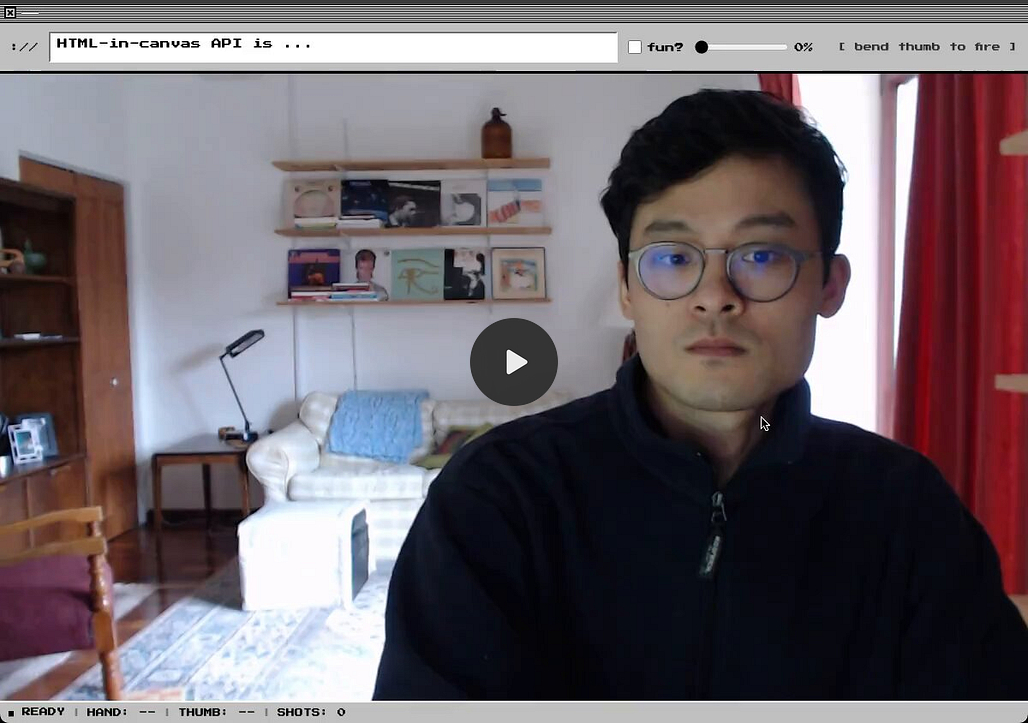
The HTML-in-canvas demos look like a prank until you realise the UI still works: editable text, inspectable elements, the lot, but now with canvas-style compositing and physics. Expect a wave of experiments that feel more like games and motion design tools than “websites”, especially once more people can try the flag-enabled builds.


An onion business doing $10m a year on phones and a fax machine
Sam Parr’s tour of his father’s produce brokerage is a sharp contrast to the day’s AI chatter. Two people, handwritten sheets as a “CRM”, and relationships built over calls, and it still moves serious money. It’s a useful nudge that software isn’t the business, the business is the business.