
Overview
Today’s feed had two speeds: builders showing how far AI-assisted coding has come, and everyone else asking what that pace means for jobs, attention, and control. Between game jams, solo-made lead-gen systems, and agentic job hunting, the mood is equal parts excitement and unease.
The big picture
AI is no longer just a chat box, it’s turning into a workforce multiplier and, in some cases, a competitor. At the same time, there’s a growing sense that our online spaces are drifting away from real relationships, while regulators and platform owners still hold the power to pull the plug when they feel like it. Underneath it all: big institutions (from OpenAI to the US military) are being judged on whether their ambitions match what they can realistically deliver.
A two-week “vibe coded” lead-gen machine built on Claude Code
@RoundtableSpace shared a demo of MapLeads, a full pipeline tool reportedly built in just two weeks. It scrapes Google Maps at scale, pulls contact details, reads reviews to spot pain points, then spits out personalised outreach and a mapped CRM flow.
It’s a clear example of the new pattern: one developer, a strong model, and suddenly you have something that looks like a small team’s product roadmap.


VibeJam shows AI-made web games getting sharper, faster
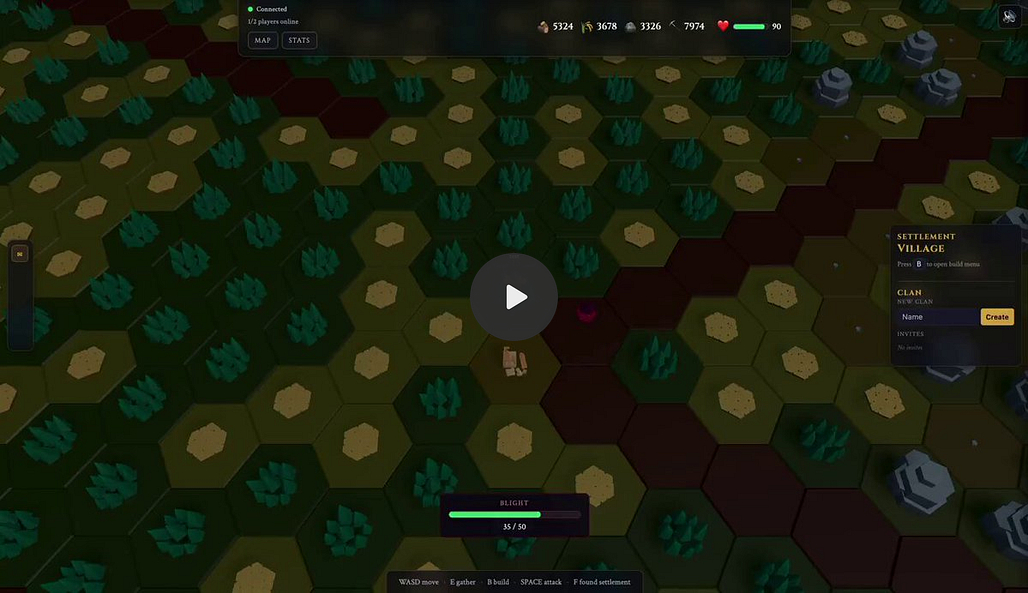
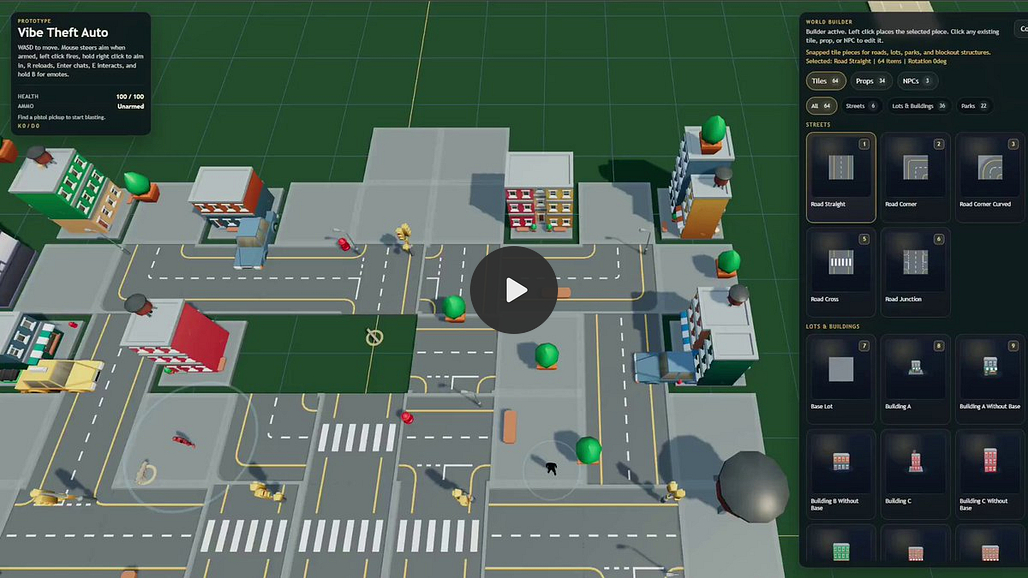
@levelsio’s Day 3 update from the Cursor AI game jam is a reminder that “90% AI code” does not mean “toy projects” any more. People are shipping playable, instant-load games with real polish, from RPG experiments to simulation work using NASA data.
The interesting bit is not the prize money, it’s the pace. The baseline quality is rising, and the gap between idea and playable build keeps shrinking.




Job hunting meets automation, and the competition just changed
@Hesamation put it bluntly: you’re not only competing with other humans, you’re competing with agents that can submit 100-plus applications a day. The post points to systems that scan company pages, tailor CVs, fill forms, and track progress like a campaign.
If that becomes normal, hiring funnels get noisier, and standing out will depend more on proof of work, referrals, and signals employers can trust.



“What will our kids do?” goes mainstream investor anxiety
@zerohedge quoted Morgan Stanley’s Adam Jonas saying this is the most common question he hears from clients right now. It’s a small sentence that captures a big worry: if automation keeps widening what one person can do, what happens to the career ladder underneath them?
Replies swing between “new jobs will appear” optimism and “the system won’t adapt in time” pessimism, which is probably the honest split across society too.

Mark Zuckerberg’s quiet admission about social media’s new centre of gravity
@r0ck3t23 clipped Zuckerberg describing how social media moved from friends interacting to feeds where at least half the content comes from creators. The post argues this is the moment real connection got deprioritised, not through a single decision, but through the incentives of feed ranking.
It also hints at the next step: if the feed rewards “engaging content”, AI-made personalities fit the mould uncomfortably well.


Chamath asks for an auto-synced AI chat knowledge base, and gets a reality check
@chamath asked how to sync AI chat history into a structured knowledge base as context evolves. The best takeaway floating around is that raw logs are messy: wrong turns, half-baked ideas, and contradictions pile up and rot the notes over time.
The more sustainable habit is old-fashioned: curate the useful bits, promote them into clean notes, and let the rest disappear.

Bitchat gets pulled from China’s App Store
@jack posted that Bitchat was removed from the China App Store, with Apple citing an order from regulators. For an offline, decentralised Bluetooth mesh messenger, that’s not a surprise, it’s almost a product description colliding with policy.
It’s also a reminder that “open-source” and “no servers” does not mean “out of reach”. Distribution still has chokepoints.


OpenAI’s IPO timing in doubt amid spending concerns
@Polymarket amplified reporting that OpenAI CFO Sarah Friar has concerns about Sam Altman’s spending plans and says the company is not ready to IPO. The headline detail doing the rounds is the sheer scale of infrastructure ambition, alongside worries about compliance and readiness.
Whatever you think of prediction markets, it’s notable how quickly “when IPO?” turns into “are the basics in place?” when burn and governance get discussed openly.

Tactical brilliance, strategic overreach, and the trap of achievable goals
@mattyglesias made a clean point: when the US military is tactically excellent, politicians get tempted into ambitious strategic aims that force can’t actually deliver. It’s the mismatch that repeats, not the battlefield competence.
The subtext is about choosing goals that can be met and measured, rather than letting capability inflate the mission.


Tesla’s Model S “do-or-die” moment, told with the emotion still intact
@XFreeze shared George Blankenship’s account of Tesla’s early Model S crunch, where delivery targets and a public profitability promise turned into an all-hands sprint. The details land because they’re operational, not mythic: midnight reports, people washing cars, everyone doing whatever was needed to hit the number.
It’s a useful contrast to today’s AI discourse: tools matter, but so does coordination, urgency, and a team that believes the deadline is real.