



Overview
Today had two main threads running through it: AI tools getting more autonomous, and people trying to work out what that means for products, jobs, and even the definition of AGI. Alongside that, there was a reminder that the offline world still matters, whether that’s cakes as a sales tactic or electric lorries when diesel spikes. Also, a geopolitical headline did the rounds, then ran straight into the usual problem of online overstatement.
The big picture
The centre of gravity is moving from “better chat” to “do the work while I’m not here”. You can see it in computer-control features, scheduling, file libraries, and the growing expectation that systems should run end-to-end without a human nudging each step. At the same time, the conversation is getting noisier: bold AGI claims, hot takes about software becoming obsolete, and the continuing gap between a viral clip and what the tech can reliably do in practice.
Anthropic puts science front and centre, with a side order of caution
Anthropic launched a Science Blog and framed it as AI speeding up research rather than replacing researchers. The interesting bit is the subtext from the early examples: progress comes, but so do fabrications, meaning expert oversight is still the difference between “impressive draft” and “real result”.


Claude moves from “assistant” to “operator” on your desktop
Seeing Claude Code control a computer is a big psychological step. Once an AI can click around, export files, and drive real apps, the bottleneck stops being “can it write the steps?”, and becomes “can it be trusted to run them without doing something daft?”.


Claude adds scheduling, so it can run jobs while you sleep
/schedule is another nudge towards always-on automation: recurring tasks, background runs, and the start of workflows that don’t need a fresh prompt each time. It also raises the less fun questions, like cost control, audit trails, and what you do when an automated run quietly goes wrong at 3am.



ChatGPT gets a Library, and file reuse finally feels normal
OpenAI’s update is simple but overdue: a proper place to find files you uploaded or created, and a quicker way to reference them in a chat. It’s not flashy, but it is the sort of housekeeping that turns “neat demo” into something you can use day after day without losing your mind.


Karpathy’s point lands: stop making yourself the prompting bottleneck
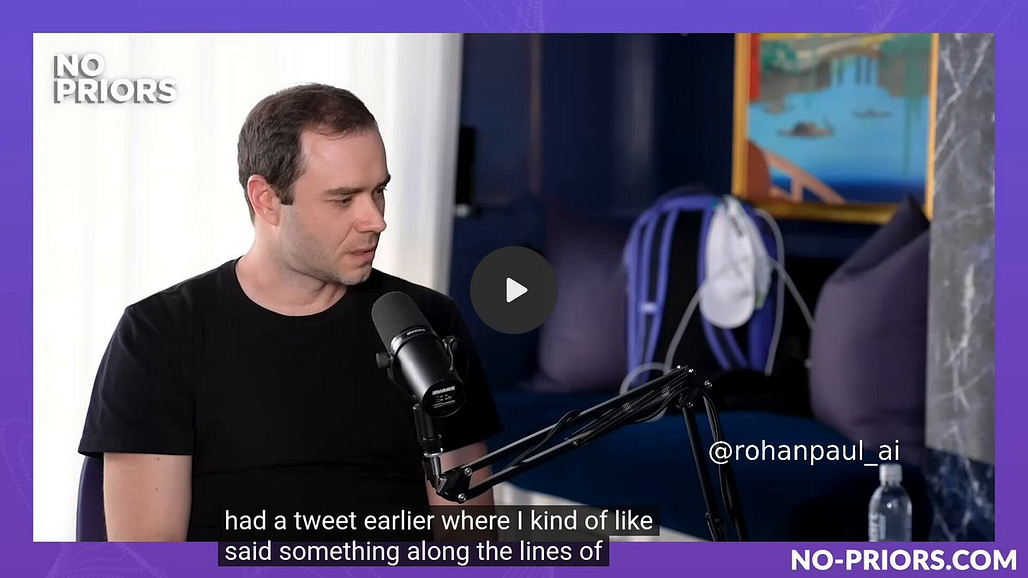
Rohan Paul shared a line from an Andrej Karpathy interview that hits a nerve: if you have to sit there prompting each next step, you are the constraint. The implied challenge is organisational as much as technical, setting up systems that can run responsibly without constant hand-holding.

“Software gets better right before it becomes unnecessary”
Naval’s post captured a mood many developers recognise: products are racing to add AI features while the bigger threat is the interface itself becoming optional. If agents can complete tasks through intent, the best-designed app might still end up as background plumbing.

Jensen Huang says “we’ve achieved AGI”, and the definition fights begin again
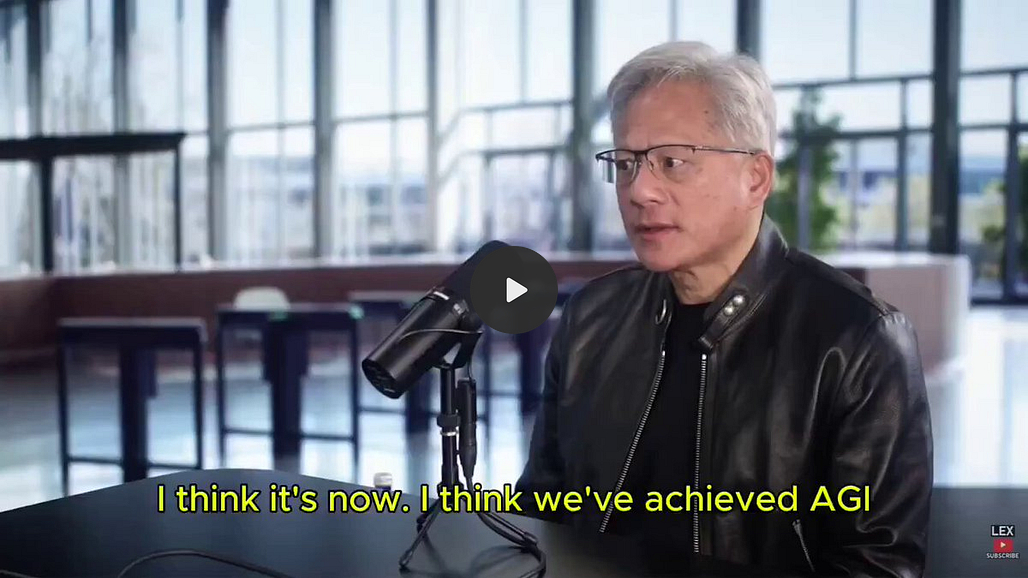
A short clip of Nvidia’s Jensen Huang saying “we’ve achieved AGI” did what these moments always do, it lit up feeds and immediately exposed how slippery the term is. If AGI means “agents that can spin up services and make money”, the claim sounds plausible. If it means broad, reliable, human-level capability across domains, people are nowhere near consensus.

Tobi Lütke’s warning: 2026 is the year every business is up for grabs
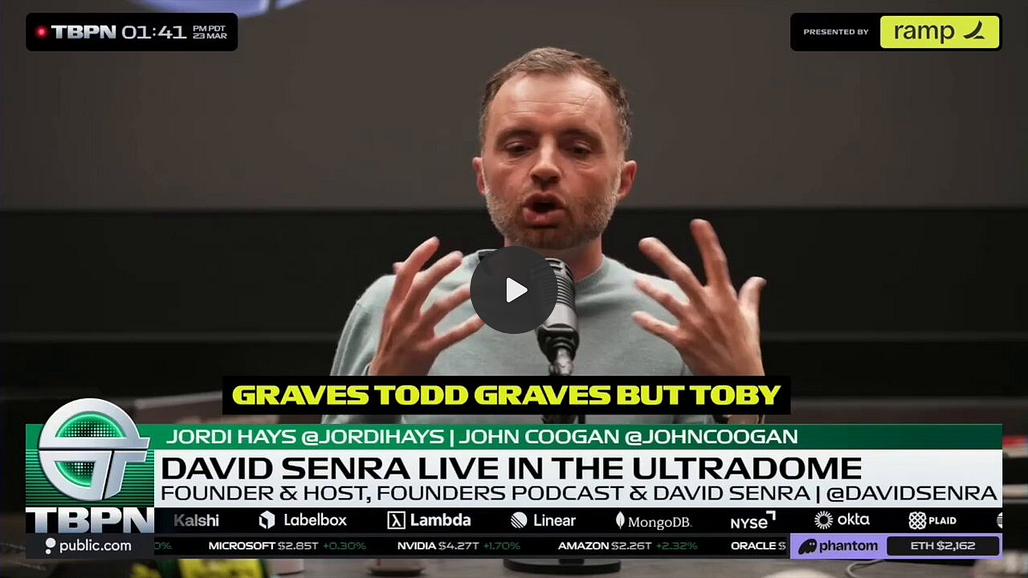
TBPN shared David Senra relaying Shopify CEO Tobi Lütke’s view that AI makes whole businesses rebuildable, and incumbents should treat this year as the obvious turning point. Whether you agree or not, it’s a useful framing: the question is no longer “will AI change my industry?”, it’s “which parts can be rebuilt from scratch faster than I can defend them?”.

OpenAI and fusion: Sam Altman steps off Helion’s board ahead of major talks
Sam Altman said he is leaving Helion’s board as Helion and OpenAI explore working together at significant scale. It reads like a straightforward governance move, but it also underlines the practical reality of AI growth: compute needs electricity, and long-term planning is starting to look like energy strategy.


A viral Iran headline, and a reminder to treat “agrees” as a red flag word
ZeroHedge pushed a claim that Iran “agrees” to a five-year missile freeze, which is the sort of phrasing that spreads fast even when the underlying reporting is murkier. Days like this are a good reminder to pause on geopolitical posts that sound definitive, especially when they cite TV channels without clear confirmation.


