Today felt like a split-screen of sport and software. Tyler Reddick took a wild Daytona 500, while the AI world raced ahead with new agent platforms, fresh security layers, handy on-device features, and a few bugs that rattled trust. Creative tools pushed film-quality video to the masses, robots packed the pavements, Neuralink teased superhuman sight, and developers got new data and neat UI tricks.
The big picture
Agents grow up - storage, security, and some bumps
Kimi Claw arrived with cloud storage, community skills, and live data pull, pointing to AI you can leave running in the background.
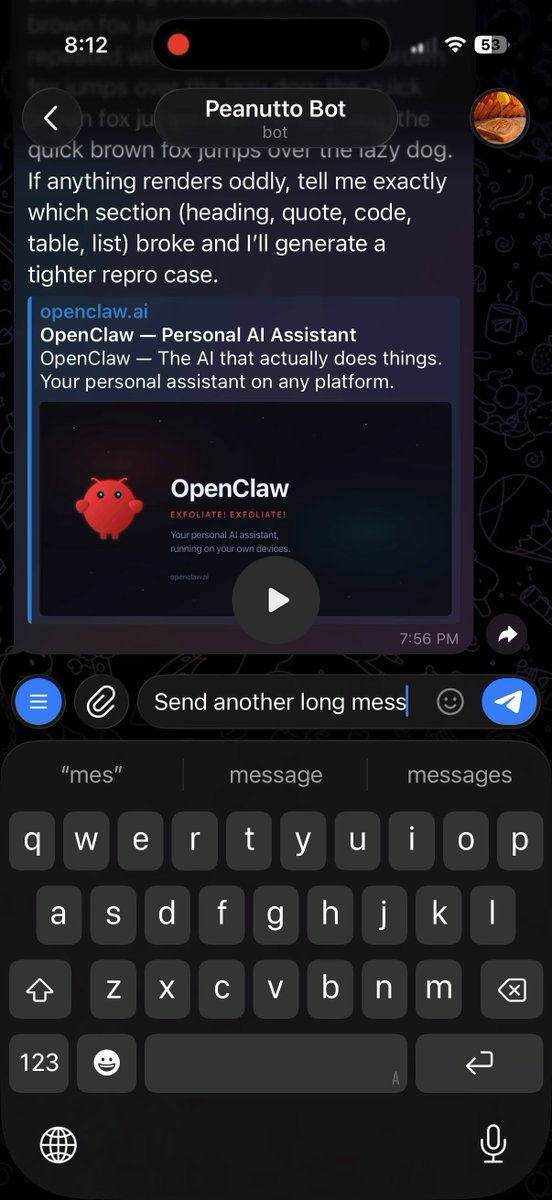
YC-backed Clam launched a network-level “Semantic Firewall” for agent stacks like OpenClaw, scanning traffic for leaks, prompt attacks, and rogue code.
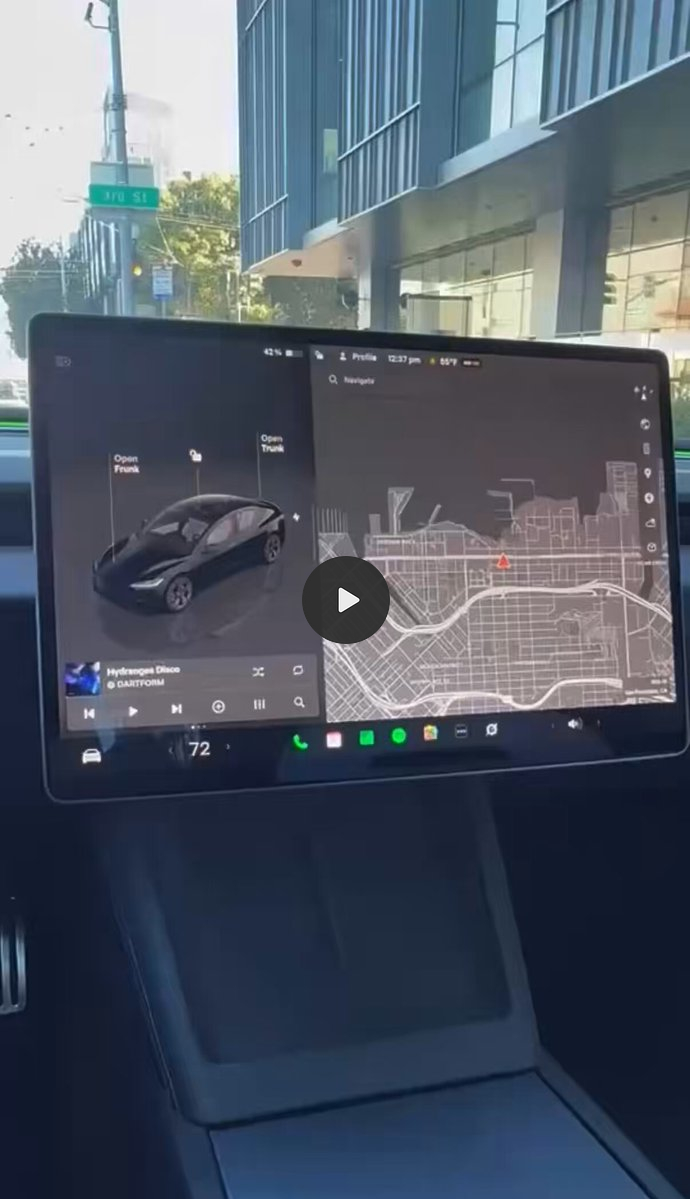
Tesla pushed Grok to cars in parts of Europe, letting drivers ask live questions and tweak routes by voice - Ryzen chips and Premium Connectivity required.
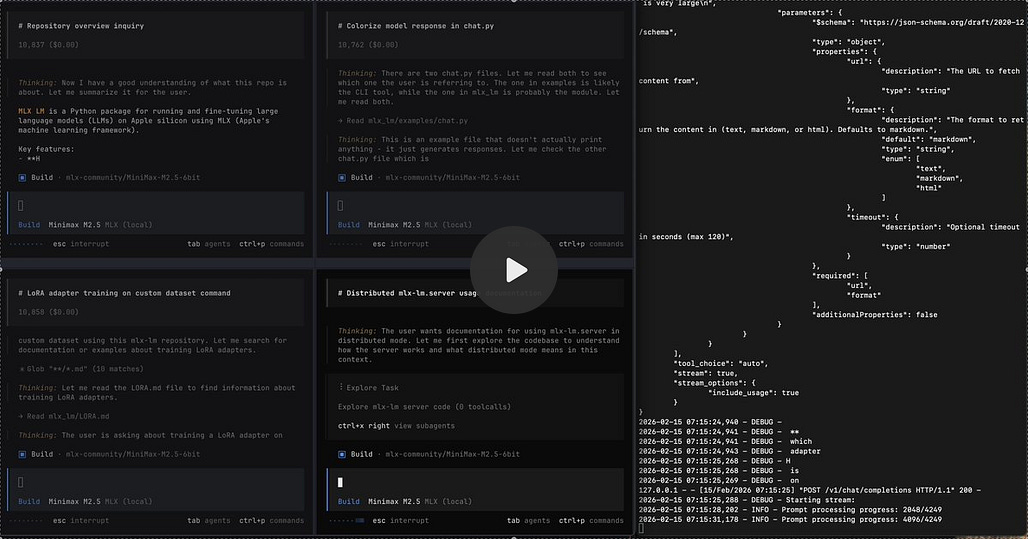
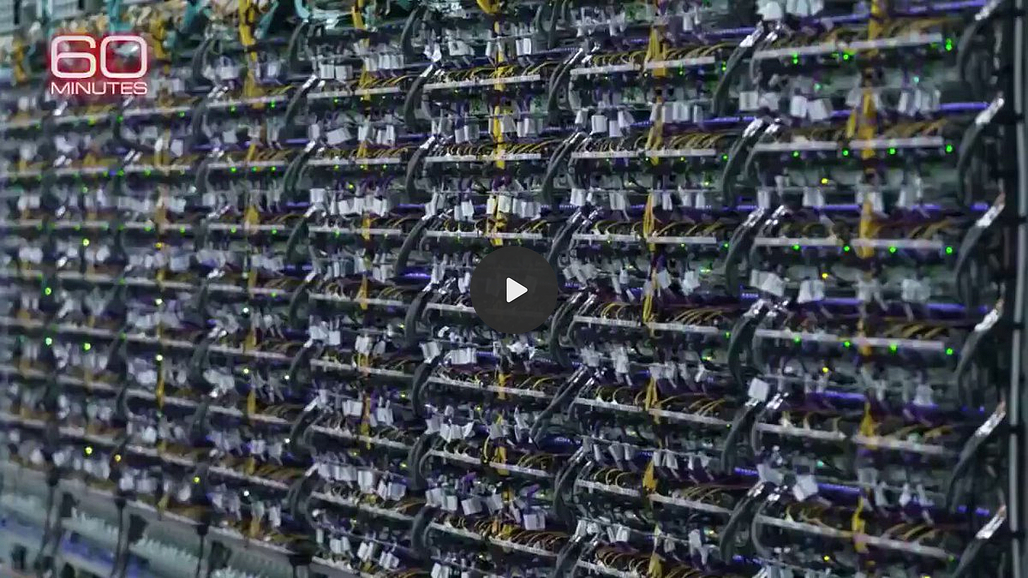
And on a beefy M3 Ultra, devs ran swarms of local coding agents with quantised models - fast generation, slower prefill, still a strong hint that private multi-agent rigs are becoming practical.
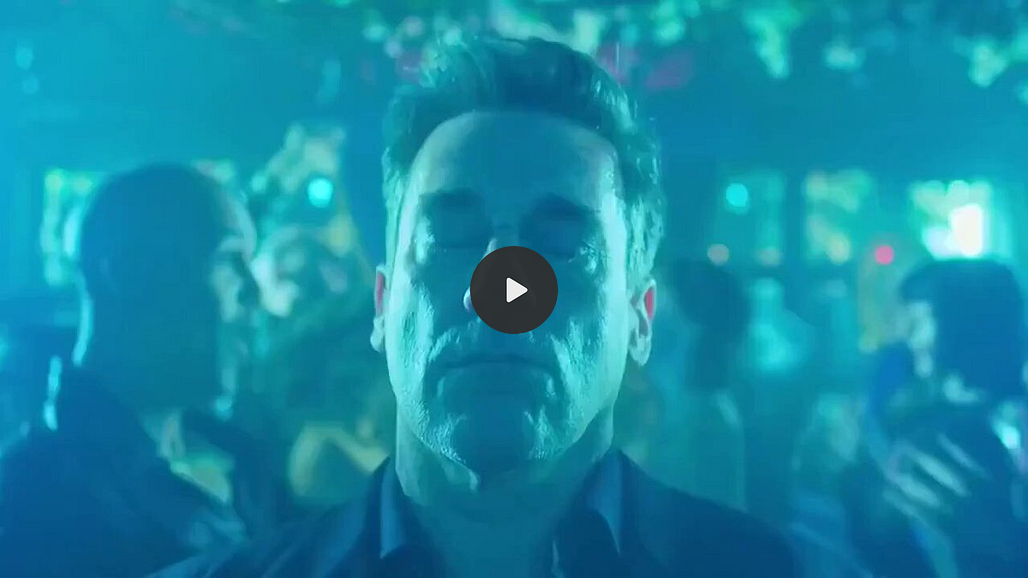
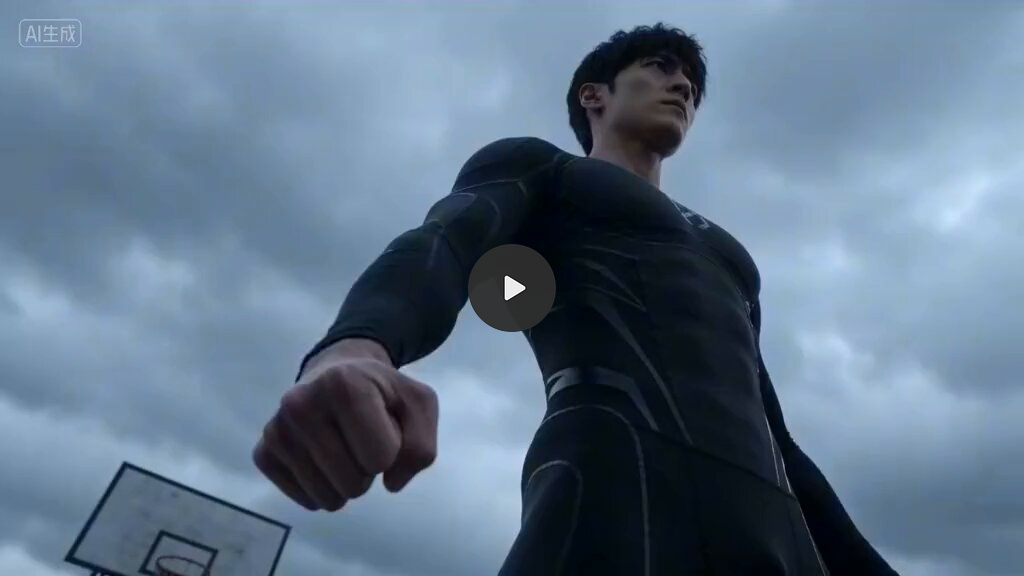
Seedance 2.0 showed crisp character consistency and motion in a short clip that looks like pro VFX, stirring debate about studio pipelines and deepfake policy.
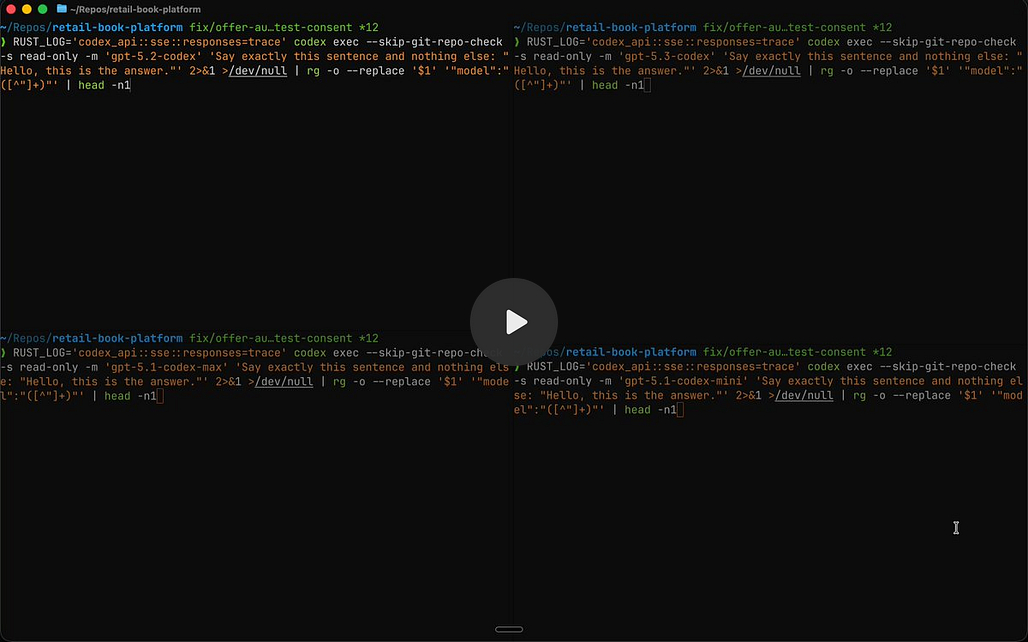
Developers flagged that requests for gpt-5.3-codex were routed to 5.2 instead, with scripts and GitHub issues pointing to a backend error. Model naming matters when you ship code.
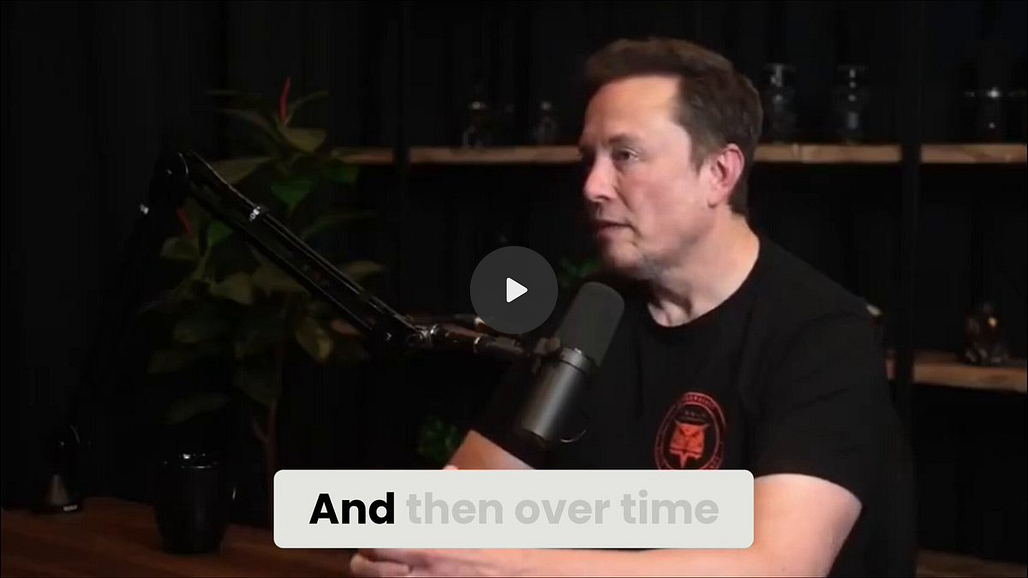
An older Sundar Pichai clip resurfaced about emergent abilities in large models, a reminder that even top labs cannot always explain how new skills appear. Investors noticed.
“Follow me” delivery bots are rolling through crowded Chinese cities, tracking their owners and dodging obstacles. Replies argue the US is not set up for this yet, from cracked pavements to theft risk.
Musk’s Neuralink update sparked claims that restored sight will not just match human eyes, it could exceed them with higher resolution and new spectra like infrared - bold aims, with technical hurdles still ahead.
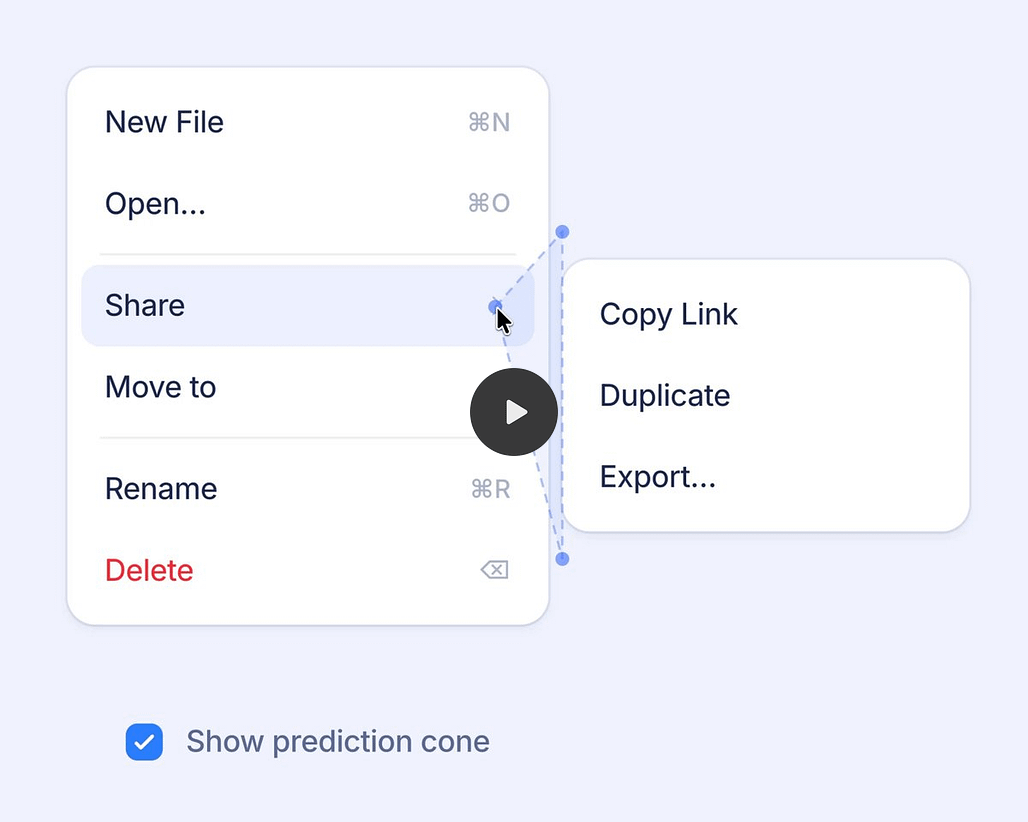
On the micro end of UX, a slick web “safe triangle” prevents menus from collapsing while you head toward a submenu - a small fix that saves many swears.
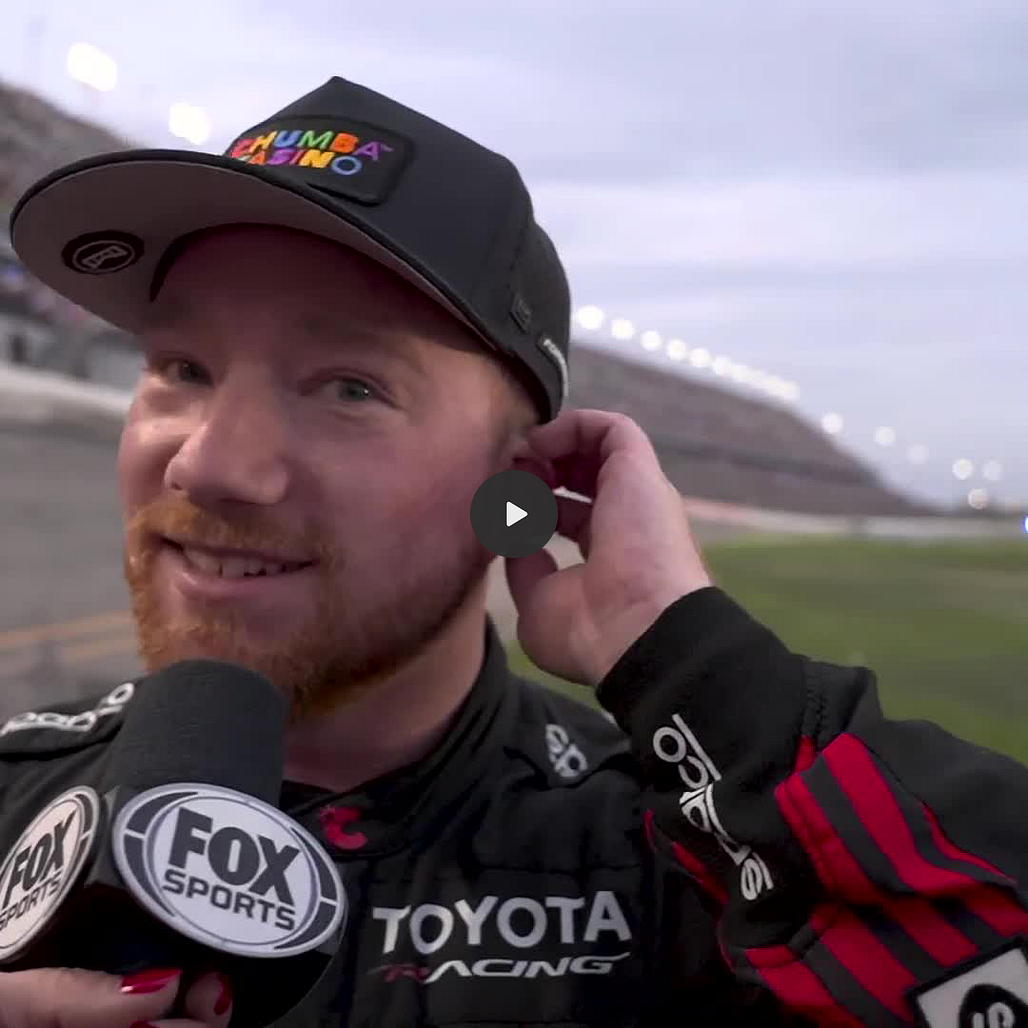
Tyler Reddick won the Daytona 500 for 23XI Racing, ending a barren 2025, as fans argued about cautions, teammate help, and contact with Chase Elliott. A huge moment for a team co-owned by Michael Jordan and Denny Hamlin.
- AI agents are maturing into real products. Storage, memory, and third-party hooks make them useful round the clock, but they need serious guardrails. Security tools like Clam’s firewall and public bug reports keep the stack honest.
- On-device AI is spreading across phones, cars, and local rigs. That reduces latency and can cut cloud costs, though hardware gates still apply. Privacy-minded teams will keep experimenting with local swarms.
- Content creation is changing fast. Tools like Seedance turn small teams into mini studios. That boosts creativity, but also raises policy questions about consent, provenance, and misuse.
- Reliability is not a nice-to-have. Model routing errors and unexplained behaviours erode trust. Clear versioning, auditable logs, and candid status pages are now part of product quality.
- Robots need cities that work. Sidewalks, rules, and public trust will decide where last-mile autonomy takes off first.
- Neural tech may move from treatment to enhancement. If it clears engineering and ethics hurdles, “beyond human” could stop being sci-fi and start being a market segment.
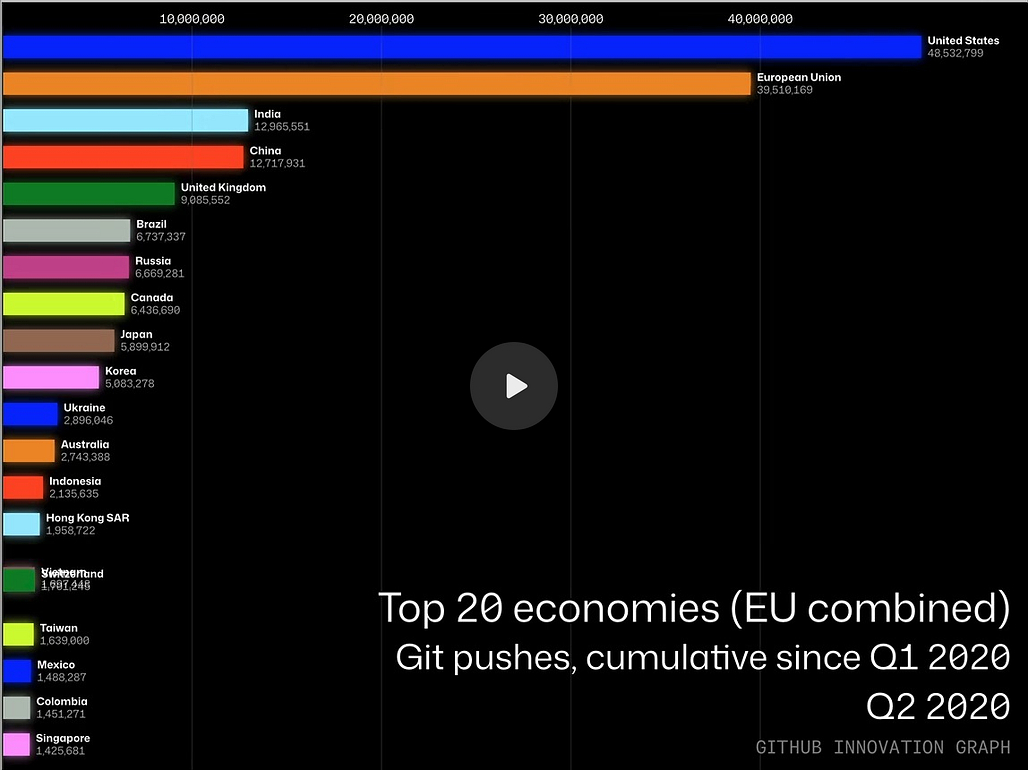
- Developer ecosystems are shifting in real time. The Innovation Graph and small UX wins show that progress is both macro and micro - new hotspots emerge while tiny interface choices improve daily work.
Discussion about this episode
Daily Vibe Casting
A ten-minute daily roundup of what cracked 𝕏 in the last 24 hours.
Skip the doomscroll and keep pace with Daily Vibe Casting.
New episode drops every afternoon, GMT
A ten-minute daily roundup of what cracked 𝕏 in the last 24 hours.
Skip the doomscroll and keep pace with Daily Vibe Casting.
New episode drops every afternoon, GMT