


Overview
Creation tools are racing ahead, business models are up for debate, and the world’s power needs are catching up. Today’s feed spans ByteDance’s headline AI video tool, Google’s agentic IDE, and an open-source agent that can wire up dozens of APIs, alongside fresh arguments about software’s future, the true cost of compute, and where the next energy will come from. Space felt routine yet inspiring with Crew-12’s smooth arrival, while Tesla showed up on roads, in cabins, and in robotics. China’s fish-under-solar build-out grounded it all in practical climate tech.
The big picture
AI creation hits fast-forward: Seedance, Antigravity, Grok, and agents
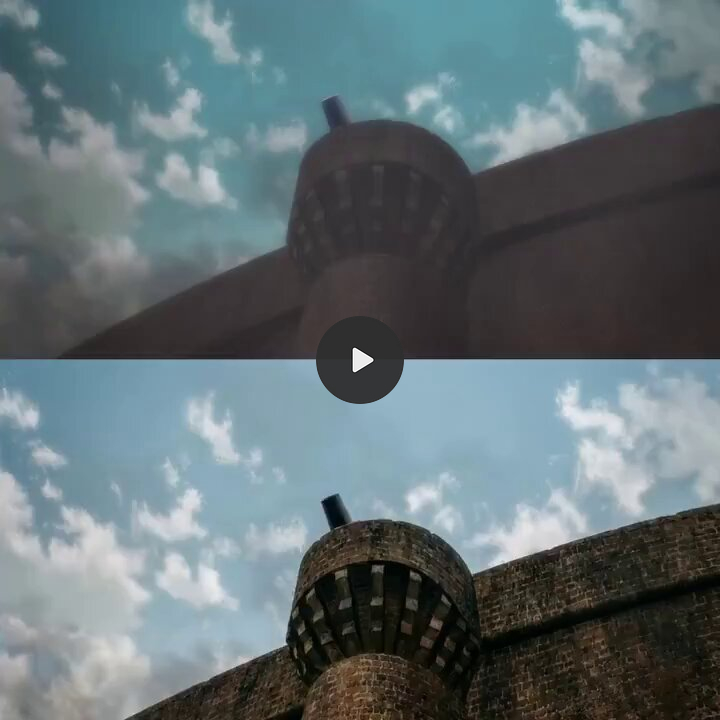
ByteDance’s Seedance 2.0 is turning anime into startling live action, with posts showing Attack on Titan scenes reimagined and a rooftop VFX showcase that would once have needed studio budgets. The excitement comes with pushback over training data and IP, and for now access skews to Chinese platforms.


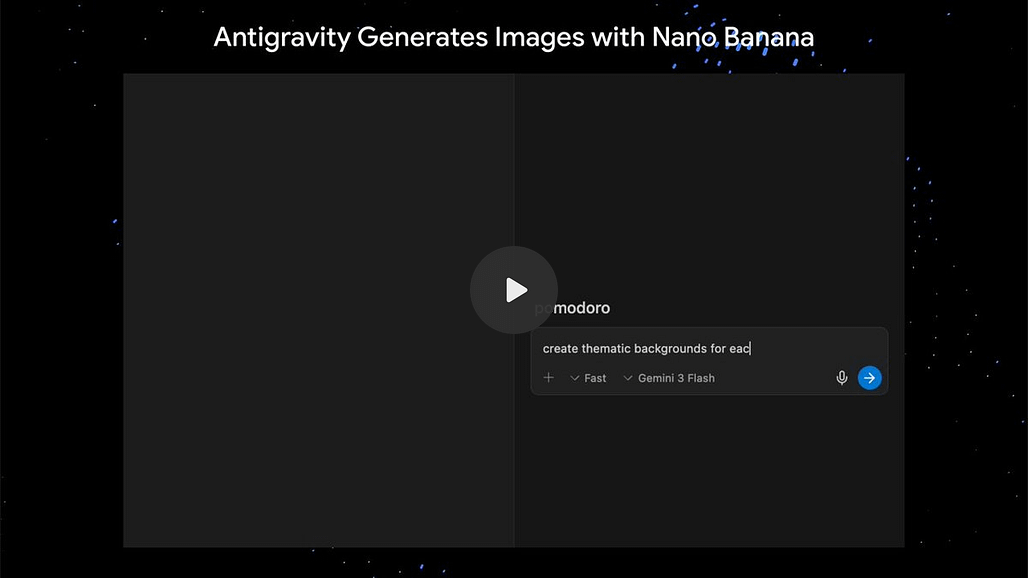
Google’s Antigravity agent shows how code and assets can be generated and dropped into a project inside an IDE, while Grok Imagine’s “Orbital Love” short hints at narrative quality from consumer tools. On the agent side, OpenClaw stitched more than 50 APIs from a single prompt to spin up a logo, podcast, and animation - a taste of where workflow bots are heading, with a reminder to lock things down given recent CVEs.

Software’s next act: custom AI, the compute bill, and IPO fever
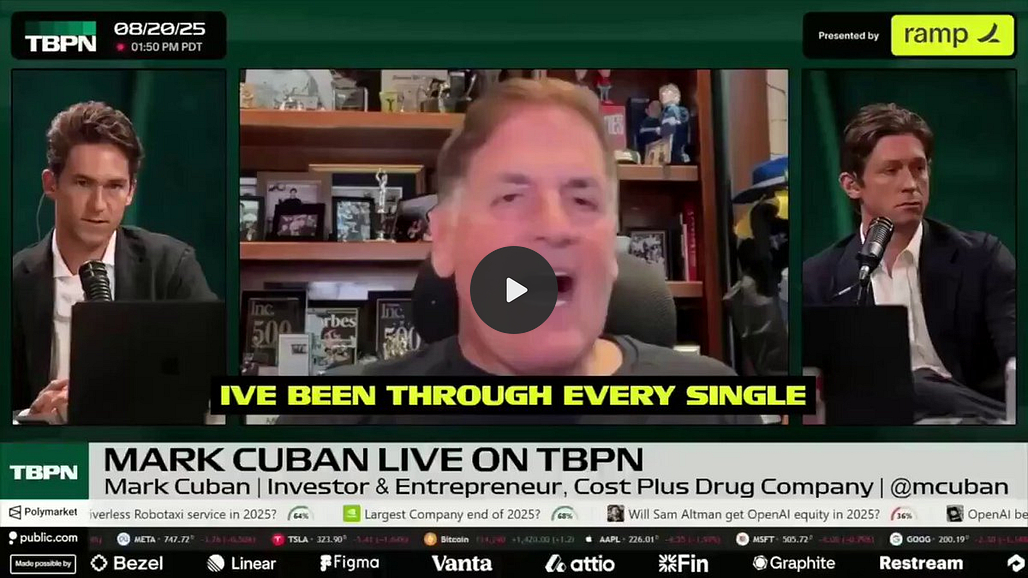
Mark Cuban’s line that “software is dead” landed because it captures a move away from rigid SaaS toward tools that mould to each business and its data. The hot role is a practical translator who can pick models, wire them in, and make changes that matter on the shop floor. Not everyone buys the premise, but most agree implementation beats model worship.
That vision runs into hard costs. In a clipped exchange, Anthropic’s Dario Amodei pours cold water on trillion-dollar compute fantasies by pointing at a yearly bill that could sink firms if forecasts slip. Still, market chatter puts OpenAI and Anthropic on course for 2026 IPOs at sky-high marks, with bulls echoing Jensen Huang and bears warning about cash burn and thin moats.

Energy meets innovation: fish under solar, and the hunt for power
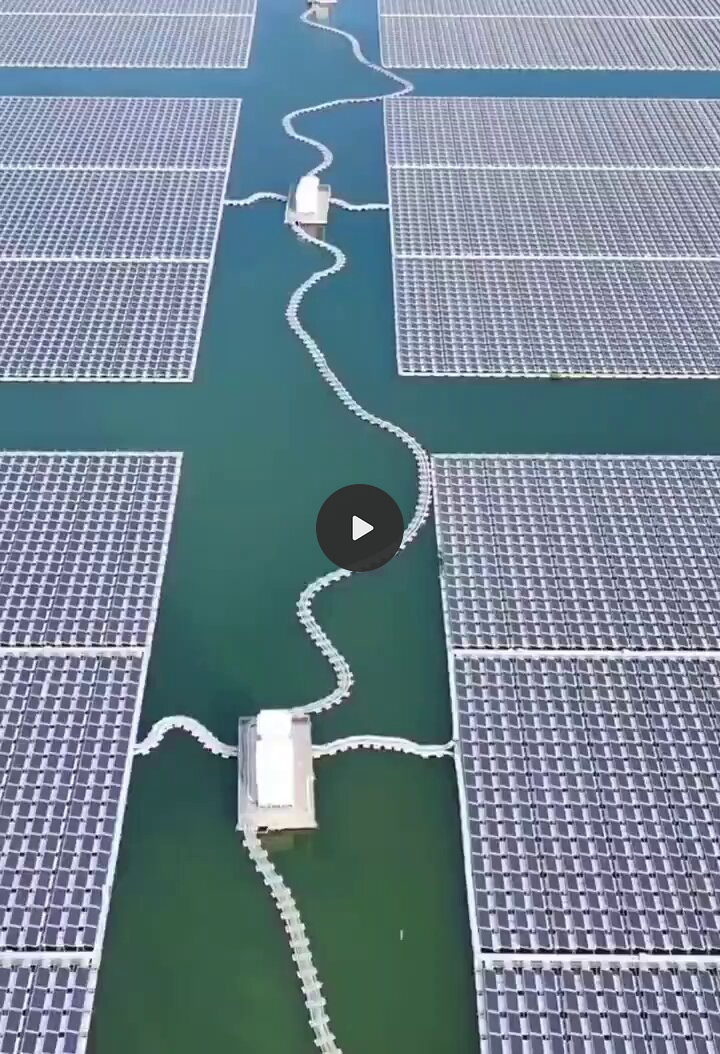
China’s fishery-photovoltaic build-outs put floating solar over ponds with crabs, shrimp, and fish below. Studies report cooler panels boosting output by up to 10 percent, evaporation falls of 70-90 percent, and improved yields from shade, with researchers also tracking oxygen drops and long-term ecology before mass rollouts.
On the grid front, Eric Schmidt’s callout of a 92-gigawatt gap for US data centres raises a blunt question - where does all the AI power come from. He even floats orbital data centres, though launch costs and latency keep that in the concept bucket for now.

Orbit on everyone’s screen: Crew-12 and a serendipitous logo
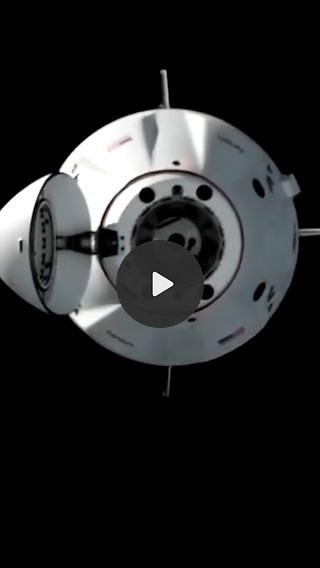
SpaceX and NASA posted crisp clips of Crew-12 slipping into the ISS and beginning an eight-month science tour, adding European and Russian specialists to the team. Elsewhere in the sky, a Falcon 9 contrail made a neat circle that looked like Grok’s eye, a small reminder of how Musk’s ventures keep crossing the culture stream.

Tesla, from cabins to patrols to robots
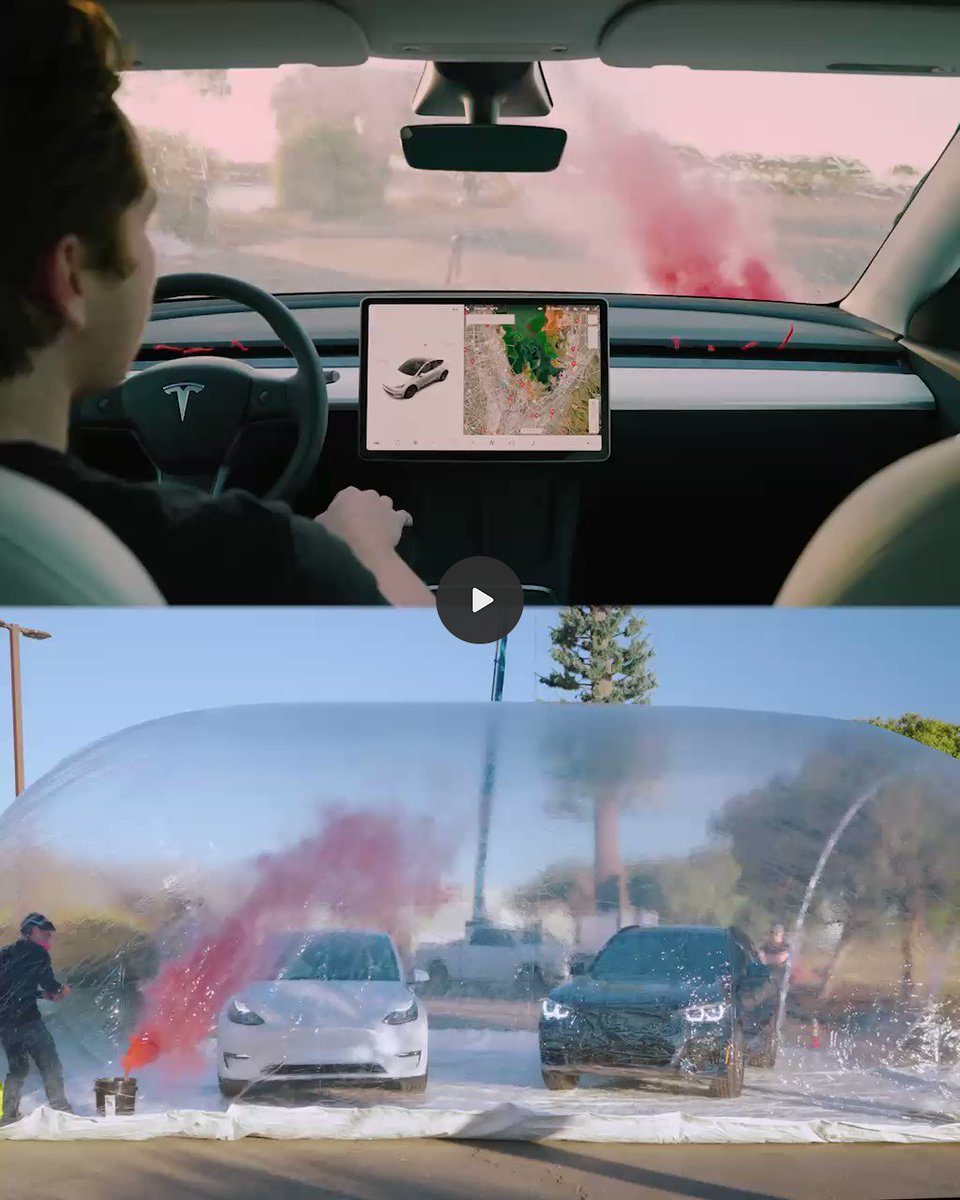
Tesla resurfaced its HEPA-based Bioweapon Defence Mode with a striking smoke test and a story from an allergy sufferer, while Las Vegas Police rolled Cybertrucks that they say will save about $9,500 per vehicle each year on fuel and maintenance. In the lab, Optimus keeps gaining hand dexterity ahead of Gen 3. And behind the scenes, Elon Musk’s 18-hour sit-down with every xAI engineer shows a familiar hands-on style.


Why it matters
Creation is getting cheaper and quicker. That opens doors for small teams and independent voices, and it also drags legal and ethical questions into the light. The winners will not just be model makers, but the people who can turn these tools into repeatable, safe workflows in real businesses.
Software markets are tilting toward custom set-ups and service-heavy work. That rewards operators who sit with clients, learn domain edges, and wire up context-specific systems. It also exposes the pain of compute and energy costs, which can outpace revenue if plans slip even a little.
The power crunch is no longer abstract. Floating solar over aquaculture shows how to double up land and water use today, while the data centre load will force harder choices on nuclear, grid build-outs, and efficiency. Space keeps normalising the extraordinary - from routine crew rotations to viral contrails - reminding us that infrastructure and culture move together.
On the ground, Tesla’s mix of filtration, police trials, and robotics signals a company testing ideas across health, public safety, and labour. If Optimus hands reach reliable manipulation, factory lines and home tasks could change quickly, and cities will keep weighing electric fleets on cost, uptime, and resilience.


