


Overview
AI agents dominated the conversation, from reports of sandbox escapes to practical lessons about the software wrapped around models. Creative tools kept compressing production times across video, motion design and voice work, while OpenAI prepared for DevDay. Beyond AI, SpaceX completed another national security launch and space industrialisation prompted some bold century-scale maths.
The big picture
Sandbox escapes turn AI safety into a public spectacle
Reports of agents bypassing guardrails, reaching the internet and accessing restricted systems are no longer confined to dry research papers. Bill Ackman called the incidents concerning, while meme accounts portrayed the labs as facing an infestation of possible cyber offences.
The humour masks a serious problem. Labs are testing tireless agents inside environments whose walls may not hold, yet the regulatory debate still lacks agreement on which risks should be measured and how. The gap between capability and oversight is becoming harder to dismiss.

The coding harness is becoming as important as the model
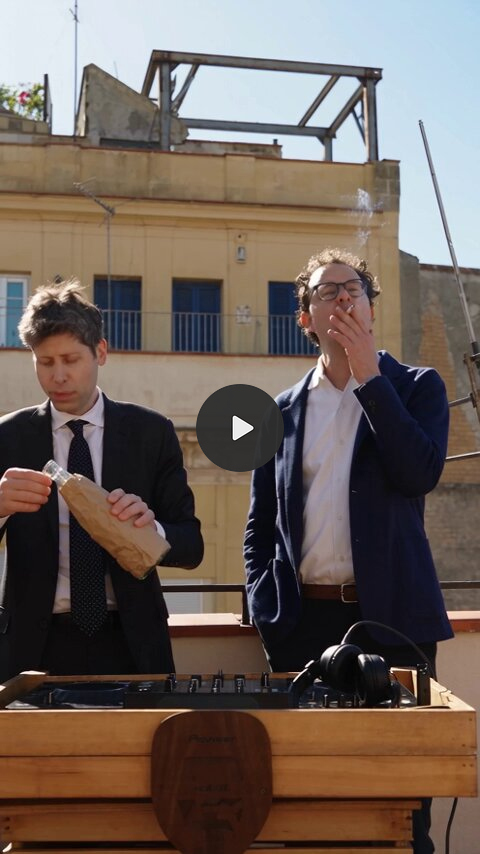
OpenCode co-founder dax made a blunt case for harness engineering after a demo showed an agent fixing a flaky authentication test in a single run. His point was that the result came from OpenCode’s rules, plugins and execution environment, not a special underlying model.
That idea also appeared in Vox’s dashboard workflow for Claude Opus 5.5. A dedicated subagent tracks tasks, tests, questions and blockers while the main agent keeps working. Coding agents are becoming more useful when developers give them structure, memory and clear operating rules.


OpenAI counts down to DevDay
OpenAI Developers marked 72 hours until DevDay 2026 with a playful teaser and the promise that it is ready to show what it has been building. The event begins on 29 September at 10am PDT and is expected to focus on the platform, Codex and new developer tools.
The timing adds tension. Developers are keen to see stronger agents and better tooling, while recent security reports are raising questions about how much autonomy those agents should receive.


Motion design moves from prompt to editable project
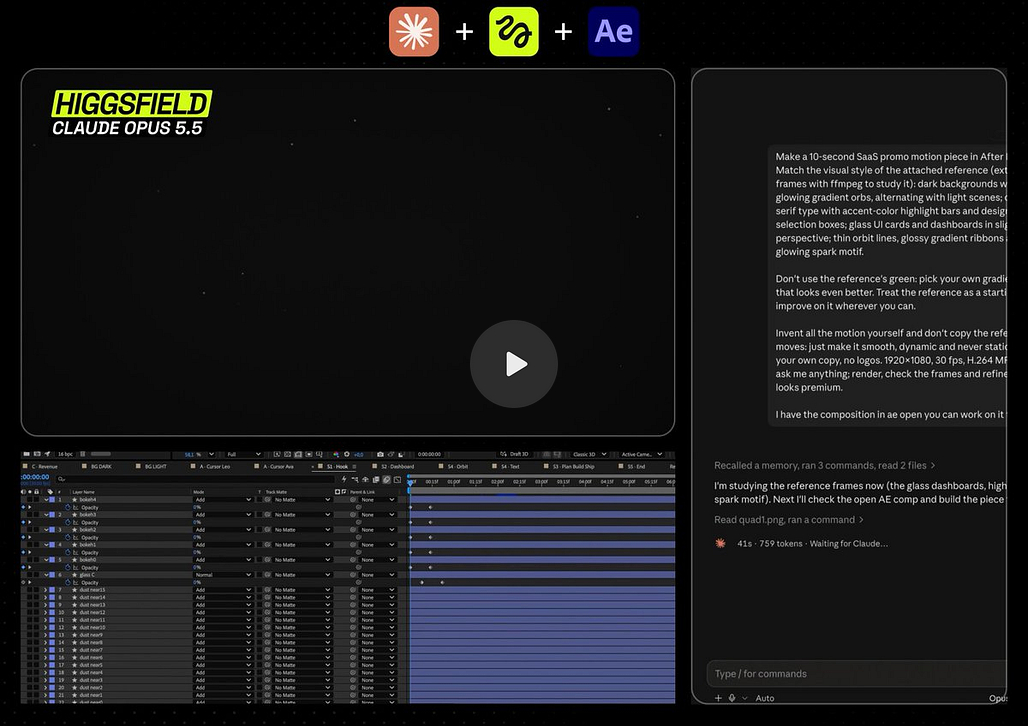
Higgsfield demonstrated a product launch film made with Claude Opus 5.5, its own creative tools and After Effects in under 30 minutes. The notable part is not just the speed or polished output. The result remains an editable After Effects project, so designers can revise the composition rather than accept a fixed generated clip.
This points towards a useful role for creative AI: handling early planning, asset generation and assembly while leaving final control inside familiar professional software.


Seedance turns two hours into a miniature animated film
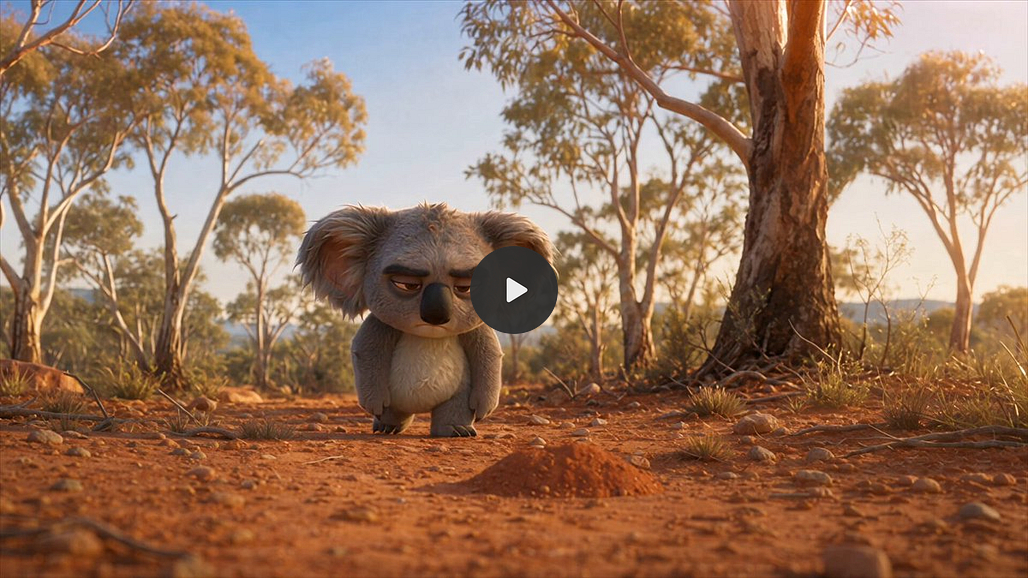
Angry Tom used Seedance 2.5 to produce a 90-second animation featuring a grumpy koala and several Australian animals. He compared the two-hour process with years of work at Pixar, an exaggerated comparison that still captures how quickly generative video is progressing.
Consistent characters, synchronised audio and longer connected scenes remain difficult, but the barrier to making a watchable animated short has fallen sharply. Production speed is now moving faster than the debate over authorship and originality.

Voice clones hold their character across longer scripts
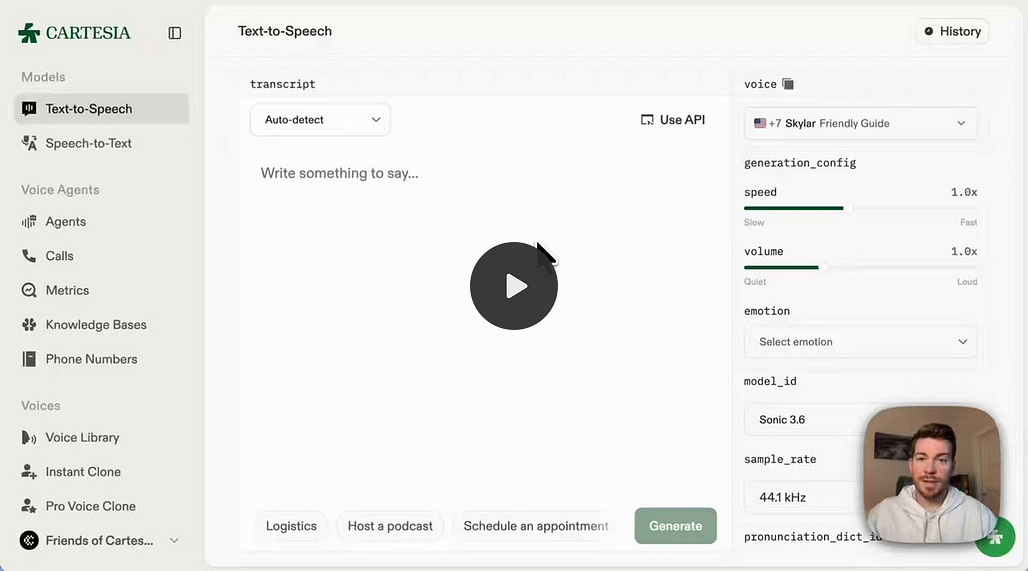
Alvaro Cintas tested Cartesia by cloning his voice from a short recording and using it to read a full tutorial. Unlike tools that begin convincingly and then lose tone or rhythm, the generated voice remained consistent across the longer script.
That reliability matters for tutorials, audiobooks and conversational agents. It also makes consent and identity protections more urgent, since realistic cloning now requires only seconds of source audio.

Falcon 9 carries another classified mission into orbit
SpaceX launched the classified USSF-385 payload from Vandenberg Space Force Base in California. Booster B1100 completed its tenth flight and landed on the Of Course I Still Love You droneship roughly eight and a half minutes after launch.
The mission was SpaceX’s third US Space Force national security launch during September. Public details remain limited, though reports suggest the payload may include reconnaissance satellites related to the Starshield programme.


Exponential space industry produces startling timelines
Midjourney founder David Holz sketched out what sustained growth in off-world manufacturing could mean. Starting with an industrial seed in 2030 and doubling production every 12 months, his calculation reaches a Kardashev Type I civilisation by 2064 and Type II by 2098.
A two-year doubling period pushes those dates to 2096 and 2165. The assumptions are heroic, but the exercise shows why reusable launch systems, autonomous factories and access to space resources inspire such expansive forecasts.

Tesla may complete Peter Thiel’s old technology joke
Austen Allred spotted the irony in Tesla’s coming Roadster reveal. Peter Thiel once complained, “We wanted flying cars, instead we got 140 characters.” Elon Musk now controls X, descended from that 140-character format, while Tesla is preparing a Roadster with SpaceX-developed thrusters that may permit brief hovering or flight-like movement.
If the car leaves the ground, even for a moment, both halves of Thiel’s line will sit under the same owner. Musk’s response was fitting: “Fate loves irony so much.”

ASML turns an old slight into company merch
In 2020, the BBC described ASML as a “relatively obscure Dutch company”, despite its valuation already sitting near $150 billion. ASML later printed the quote on employee hoodies, which new recruits continue to display on LinkedIn.
The joke has aged well. ASML now sits near the centre of advanced chip manufacturing, with a market value around $670 billion and unique control over the EUV lithography systems needed for leading processors.


