
Overview
Today had two loud notes running through it: a fresh burst of space ambition, and a growing sense that software is becoming both more magical and more brittle. Between Artemis II lifting off, SpaceX IPO chatter, and Starlink inching closer to wider rollout in India, the space economy felt unusually close to home. Meanwhile, AI tooling sparked equal parts excitement and side-eye, from city-scale “world models” to rate-limit grumbles and the ongoing question of what we should trust in our browsers and in our workflows.
The big picture
We are watching two races at once. The first is physical: rockets, satellites, and the slow build of infrastructure that changes who can connect, explore, and do business. The second is digital: AI systems that can generate convincing environments, write code, and reorganise how people work, but that also bring fresh security risks and plenty of noise. Underneath both is the same tension: speed is intoxicating, but reliability and accountability still decide what lasts.
Google Maps as a playable world, and time travel as a feature
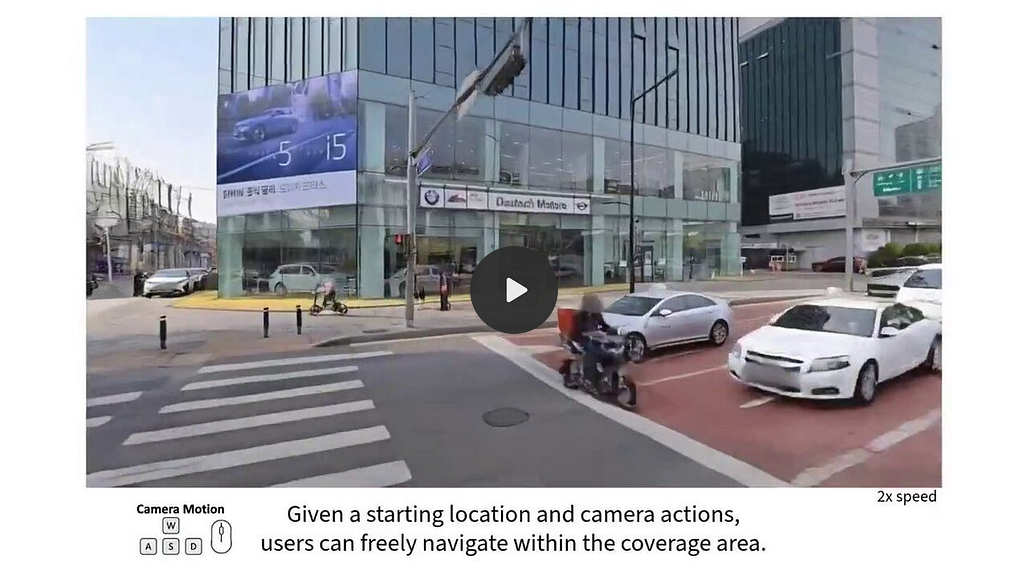
Deedy’s post captured a real “hang on, that’s inevitable” moment: if you can turn street-view images into navigable video, you are halfway to turning the planet into an interactive sandbox. The interesting part is not just sightseeing, it’s the idea of editing reality with prompts, running scenarios, and eventually exploring cities as they used to be.
It’s easy to joke about “New York 100 years ago”, but the serious angle is archiving. If our spaces can be reconstructed, you start to treat streets and buildings like cultural records, not just places you pass through.

Artemis II lifts off, and the Moon is back on the calendar
Google’s Doodle marked the Artemis II launch, and it still lands as a milestone: humans heading around the Moon again for the first time since Apollo. A ten-day flight sounds tidy on paper, but it’s the sort of systems test that decides whether the next steps are bold or cautious.
What stood out today was the public tone: less sci-fi hype, more grounded pride. People seem ready to treat deep space as a programme again, not a nostalgia act.


Sundar Pichai’s simple note: the view still matters
Among the corporate posts, Sundar Pichai’s message was unusually human. He did not talk about tech strategy, he talked about that feeling of looking back at Earth. For all the arguments about budgets and priorities, there is a reason space missions still cut through.
It is also a reminder that cultural moments, like launches, are part of how big science stays publicly legible.

SpaceX IPO rumours, and the market appetite for space
The Kobeissi Letter threw a grenade into the timeline with a Bloomberg-cited claim that SpaceX has filed confidentially for an IPO, pointing to a possible June 2026 listing. If it happens, it will not just be a finance story, it will be a reset for how “space stocks” are priced and who gets access.
Even the rumours move markets because SpaceX sits at the junction of launches, satellites, and defence. That combination makes it hard to compare to anything else, which is exactly why investors can’t ignore it.


Starlink and Meghalaya: connectivity meets geopolitics
DogeDesigner reported an MoU with Meghalaya to bring Starlink to remote areas. On its face, it’s a familiar story: schools, clinics, and rural communities getting a shot at decent internet without waiting for cables to arrive.
The replies also hint at the harder side: when connectivity comes from orbit and from a foreign firm, the debate is never just about coverage maps. It is about control, security, and who gets to set the rules when the network is not on the ground.


Chrome extensions: the quiet supply-chain problem in your browser
@levelsio put the spotlight on a mundane but ugly risk: popular extensions changing hands, then quietly turning into malware. It’s a reminder that “installed” does not mean “stable”. If someone can buy an extension and update it, they can reach straight into your browsing session.
The pragmatic response is also telling: fewer third-party add-ons, more building your own. That’s not realistic for everyone, but it shows how trust is fraying in the small places people used to ignore.


Claude Code vs Codex: rate limits, trust, and getting a usable app
Derya Unutmaz’s head-to-head test was blunt: same prompt, same goal, but wildly different outcomes. The claim was not about taste or style, it was about whether the tool could produce a playable iPhone game without burning through limits and making promises it did not keep.
These stories matter because they shape what developers pay for. Once people feel a tool wastes their time, “better model” stops being an abstract debate and becomes a cancelled subscription.


OpenAI secondary shares: when “I’ll find a buyer” stops working
NIK highlighted Bloomberg reporting that sellers of OpenAI shares are struggling to find buyers in secondary markets, despite the company’s headline valuations. Whether you buy the dunk or not, the underlying point is serious: private market liquidity can vanish quickly when sentiment changes.
It is also a neat snapshot of the AI investment mood. Capital does not just chase “AI”, it chases whoever looks like they are winning this quarter.


Dario Amodei on compute commitments and the risk of overbuying
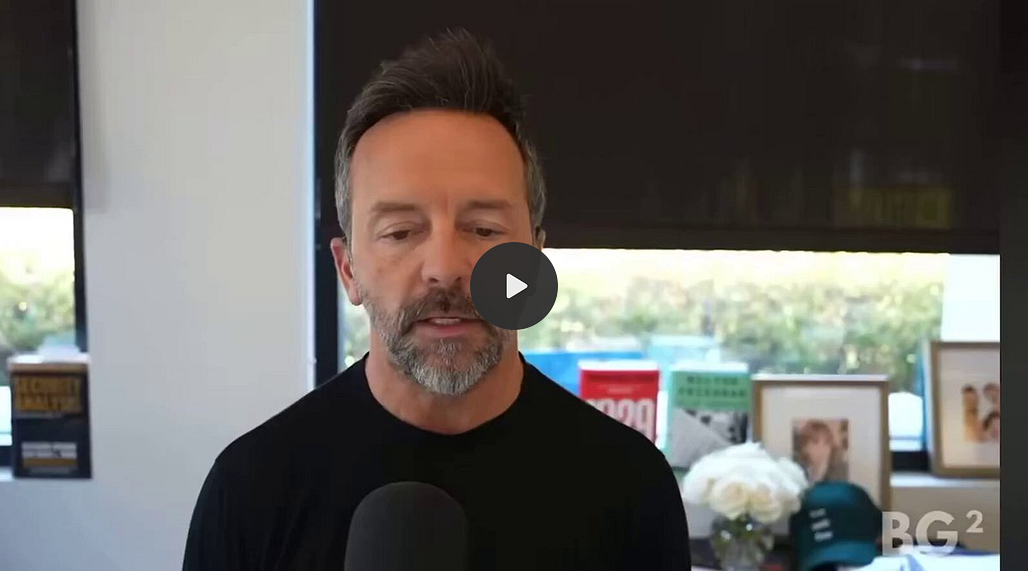
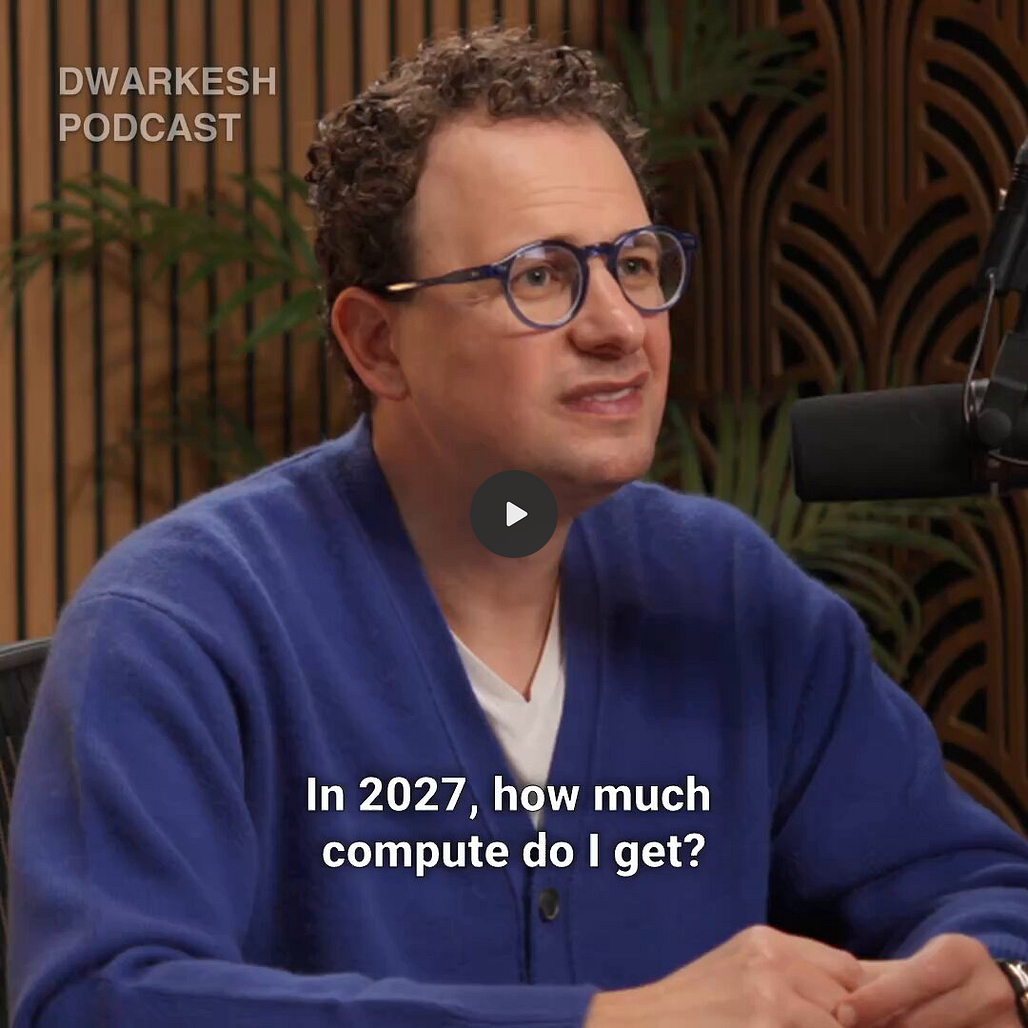
Dwarkesh shared a clip where Anthropic’s Dario Amodei talks through the nightmare scenario: betting billions on compute, only for revenue growth to arrive a year late. It’s not a hypothetical problem, it’s the kind of timing mismatch that can wreck otherwise strong firms.
The interesting tension is that nobody wants to be the company that “played it safe” and got left behind, but nobody wants to be the firm stuck paying for capacity it cannot monetise.


A Baltimore mum choosing accountability over excuses
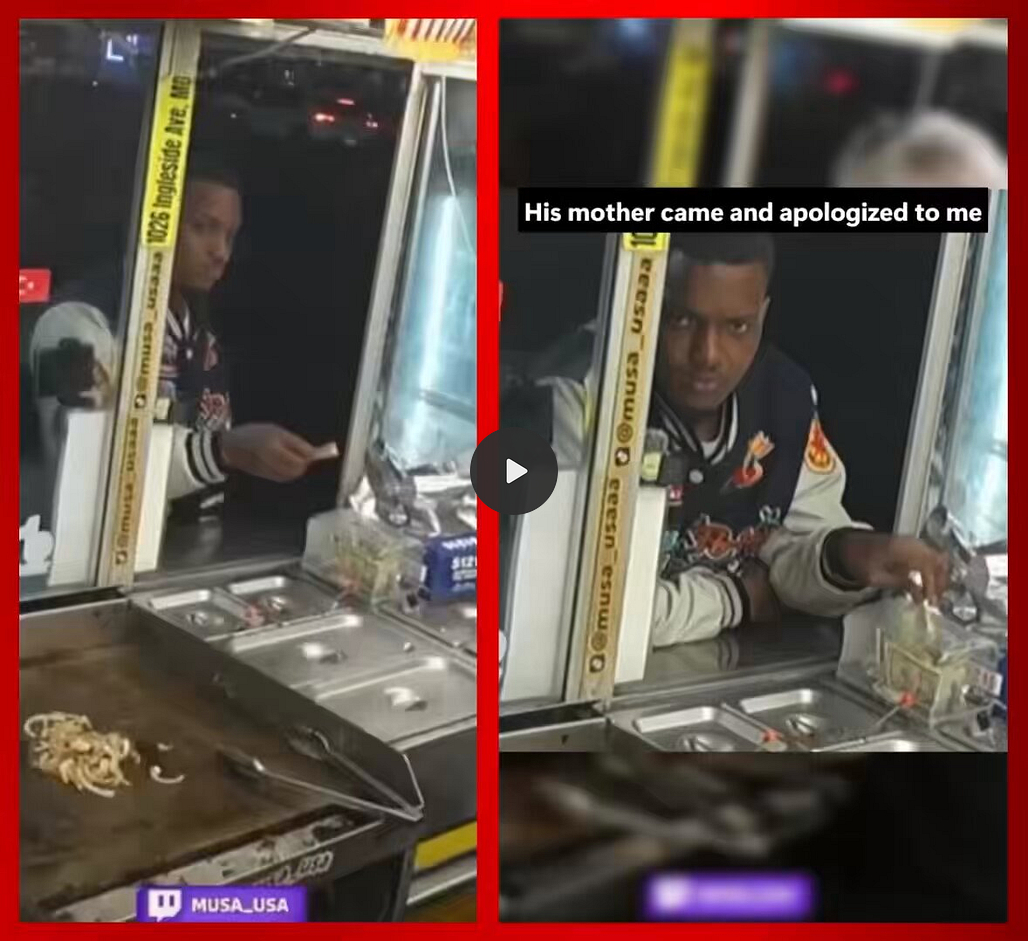
Right Angle News Network shared a story that cut across the usual outrage cycle: a mother returning to the shop her son robbed, giving the money back, apologising, and placing him in treatment. It’s a small act in the scheme of things, but it’s the sort of human follow-through people are hungry to see.
Online, it travelled fast because it offered something rarer than drama: repair.