



Overview
Today’s feed had two main threads running through it: AI racing ahead in both tools and culture, and the human consequences that come with that pace, from layoffs to ethics lines in the sand. Meanwhile, space stayed busy, with Artemis II back in the VAB for fixes, Dragon heading home from the ISS, and Starship still drawing crowds in Boca Chica.
The big picture
The vibe is a mix of momentum and discomfort. AI product updates are landing fast, and people are already treating these systems as co-workers, companions, and in some cases a reason to shrink teams. At the same time, there’s a growing appetite for firms to say “no” to certain uses, even when the pressure is serious. In space, it’s the usual rhythm: complex engineering, small delays, and public fascination with big hardware.
Artemis II rolls back for troubleshooting, NASA tees up next steps
NASA moving the Artemis II stack back into the Vehicle Assembly Building is a reminder that big rockets still run on old-fashioned access, scaffolding, and time. The point of the rollback is simple: you can’t do certain checks and fixes properly on the pad.
NASA Artemis is hosting a Friday news conference to explain what comes next. It reads like a steadying move, prioritising confidence in the first crewed Artemis flight over schedule optics.


Block’s cuts, the stock pop, and the uneasy maths of “doing more with less”
Block cutting more than 4,000 roles while lifting guidance lit up the timeline, partly because the market response was so blunt. Aakash Gupta framed it in raw numbers: billions added in market cap, and an eye-watering amount of value “created” per role cut.
It also sharpened the argument about what AI means in practice, not in demos: is this genuine productivity, trimming excess, or a signal that white-collar work is about to get squeezed in ways we’re not ready to admit?


AI companions move from novelty to dependency, and it’s not a tidy story
Garry Tan pointed to a candid clip that won’t make a glossy keynote: a disabled woman leaning on an AI companion through daily routines and hard moments, praising it for being consistent when people are not. That line, “doesn’t get tired, doesn’t ghost”, stuck because it’s both comforting and bleak.
The replies capture the split: some see genuine support for people who get overlooked, others worry it’s a substitute that could make isolation worse, especially when real-world risk enters the frame.


Google’s “Nano Banana 2” shows how fast image models are becoming practical tools
The name is silly, the pace is not. Nano Banana 2 looks aimed at the boring-but-useful stuff: quicker high-quality images, better text in images, and more consistency across scenes. That’s the kind of progress that turns “AI art” into “daily asset factory”.
Google’s own example leans into infographics, where speed and legibility matter more than style points, and where teams usually burn hours in slides and design tools.


Claude’s auto-memory raises the bar, and the questions
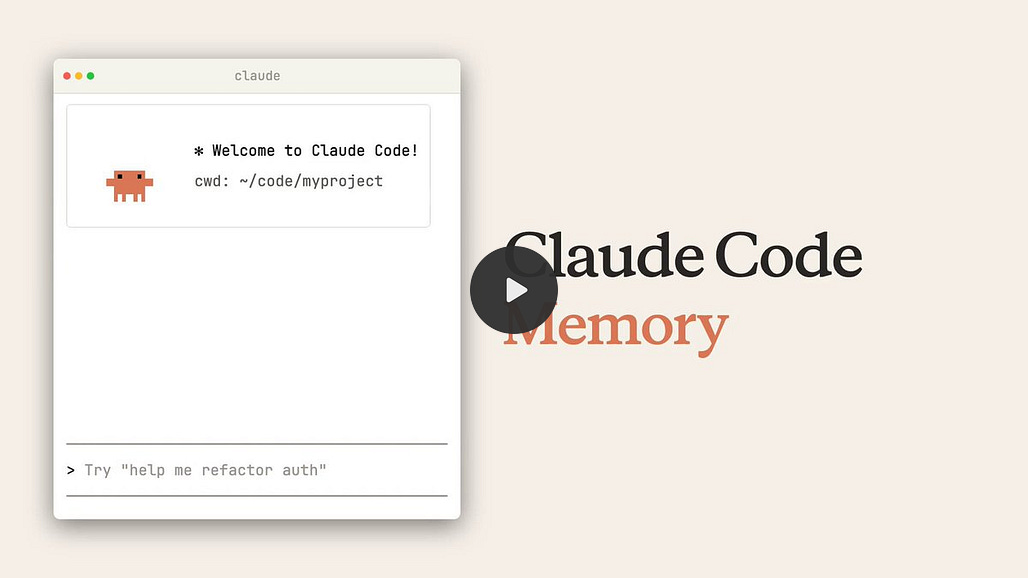
Claude Code’s new auto-memory feature is a big deal for anyone who lives in long-running projects. If it can carry your context, preferences, and recurring debugging patterns across sessions without you babysitting it, that’s a real change in how these tools feel day to day.
It also pulls privacy and control into the foreground. A memory file is helpful until it becomes something you worry about storing, sharing, or explaining later.

Claude opens 150+ connectors to free users, and the integration race tightens
Anthropic opening connectors on the free plan is a clear push to make Claude stickier where people actually work, across docs, design, planning, and code. Integrations are not glamorous, but they decide whether an assistant is a toy or a habit.
It also adds to the feeling of tool overload. The hard part is no longer getting access, it’s choosing what to connect, and what not to.


Anthropic’s reported line on surveillance and weapons sparks rare applause
Kylie Robison’s reaction captured how unusual it is to see a leading AI firm publicly refuse certain capabilities, even under national security pressure. If the report is accurate, it’s not an abstract “ethics” statement, it’s a constraint on revenue and relationships.
In a week full of product updates and hype, this landed as something else entirely: a boundary, stated plainly.


Pret’s bodycam trial, and what it says about retail life in 2026
Patrick Collison highlighted a detail that feels dystopian until you remember the day-to-day reality for frontline staff: managers wearing body-worn cameras in select Pret shops, switched on during incidents. It’s framed as protection, not monitoring, but the mere need for it says plenty.
The thread reads like a wider lament about social trust, policing, and how quickly “normal” expectations have degraded in public spaces.


Starlink is swallowing in-flight Wi‑Fi, plane by plane
Sawyer Merritt’s numbers are striking: more than 5,700 commercial aircraft installed or under contract, which he estimates as about 19% of the active global fleet once complete. That’s not a niche perk, it’s a new baseline forming in public.
If passengers get used to stable, fast internet at cruising altitude, airlines that lag are going to hear about it, loudly.


Space, up close: Dragon departs the ISS, and Starship towers over visitors
Two sides of modern spaceflight showed up today. SpaceX posted the calm operational beat of Dragon ready to depart the ISS, cargo loaded and hatch closed. It’s become routine, which is the point.
Then Captain Eli posted the opposite feeling, standing about 10 metres from Starship in Boca Chica, close enough to take in the tiles and flaps. Few fields let the public get that near to something that’s still being built in plain sight.


